How Tree Pruning in Alpharetta Encourages Healthier Growth
Healthy trees don't just happen. They need the right mix of sunlight, airflow, and careful trimming to grow strong over time. That's where professional tree pruning comes in. It's one of the best ways to boost long-term tree health, reduce risks, and keep your yard looking great. When done right, pruning does more than tidy up a tree; it helps the tree focus its energy, heal wounds better, and grow a safer, more resilient framework.
If you want healthier trees and fewer surprises, pruning is the way to go. It works well with fertilization to support stronger growth, especially if trees are stressed or growing in tough soil. Pruning and soil care often go hand in hand because a tree can only thrive when its canopy and roots are both well cared for. According to the University of Georgia Extension, proper pruning improves tree structure and reduces defects that might lead to problems later on.
In this guide, we'll explain how professional pruning boosts growth, which branches to remove, when to schedule it, and why expert techniques matter. We'll also go over common mistakes homeowners make, the perks of hiring trained arborists, and how pruning fits into a complete tree care plan. If you've ever wondered why one tree thrives after pruning while another struggles, it's usually about timing, technique, and experience.
What Professional Tree Pruning Really Does
Redirecting Energy for Growth
Every branch, leaf, and root in a tree competes for energy. Dead, weak, or crowded limbs waste this energy. Professional pruning clears out these problem areas, letting the tree focus on growing healthy foliage, new wood, and stronger branches. This energy shift is a big reason pruning can improve tree health in the long run.
Pruning also helps balance the canopy, which helps the tree capture sunlight better. Leaves are the tree's food factory, so a well-shaped canopy can improve photosynthesis and overall strength. If a tree is overgrown, light can't reach interior branches, often causing dieback or sparse growth in the center. Careful pruning can fix that pattern before it gets worse.
Reducing Disease and Decay
Removing dead or damaged limbs isn't just about looks. These branches can invite insects, fungi, and decay. Pruning out compromised growth early lowers the chance of disease spreading deeper into the tree. The U.S. Forest Service notes that trees with structural defects or decay can become hazards if not addressed promptly.
Healthy pruning cuts are key because they let the tree compartmentalize wounds more effectively. Trees don't heal like people, but they can form boundaries around damage. When cuts are made correctly outside the branch collar, the tree is better at sealing off the wound and limiting decay. That's why professional technique matters so much more than just cutting branches randomly.
Why Timing Matters in Tree Pruning
Different Seasons, Different Growth Responses
The best time to prune depends on the species, the tree’s condition, and the work's goal. Dormant-season pruning often encourages vigorous spring growth, while light corrective pruning during the growing season can help manage specific problems without overstimulating the tree. Some flowering trees need pruning after blooming to avoid cutting off next year's buds. A knowledgeable arborist knows how to match timing to tree biology rather than a one-size-fits-all schedule.
Seasonal timing is also crucial for tree stress. Heavy pruning during extreme heat or drought can add unnecessary pressure to a strained tree. In the Metro Atlanta area, summer can create heat and moisture stress, so professional judgment is especially valuable. A well-timed cut can support health, while poorly timed work may slow recovery or invite issues.
Special Care for Storm Damage and Emergencies
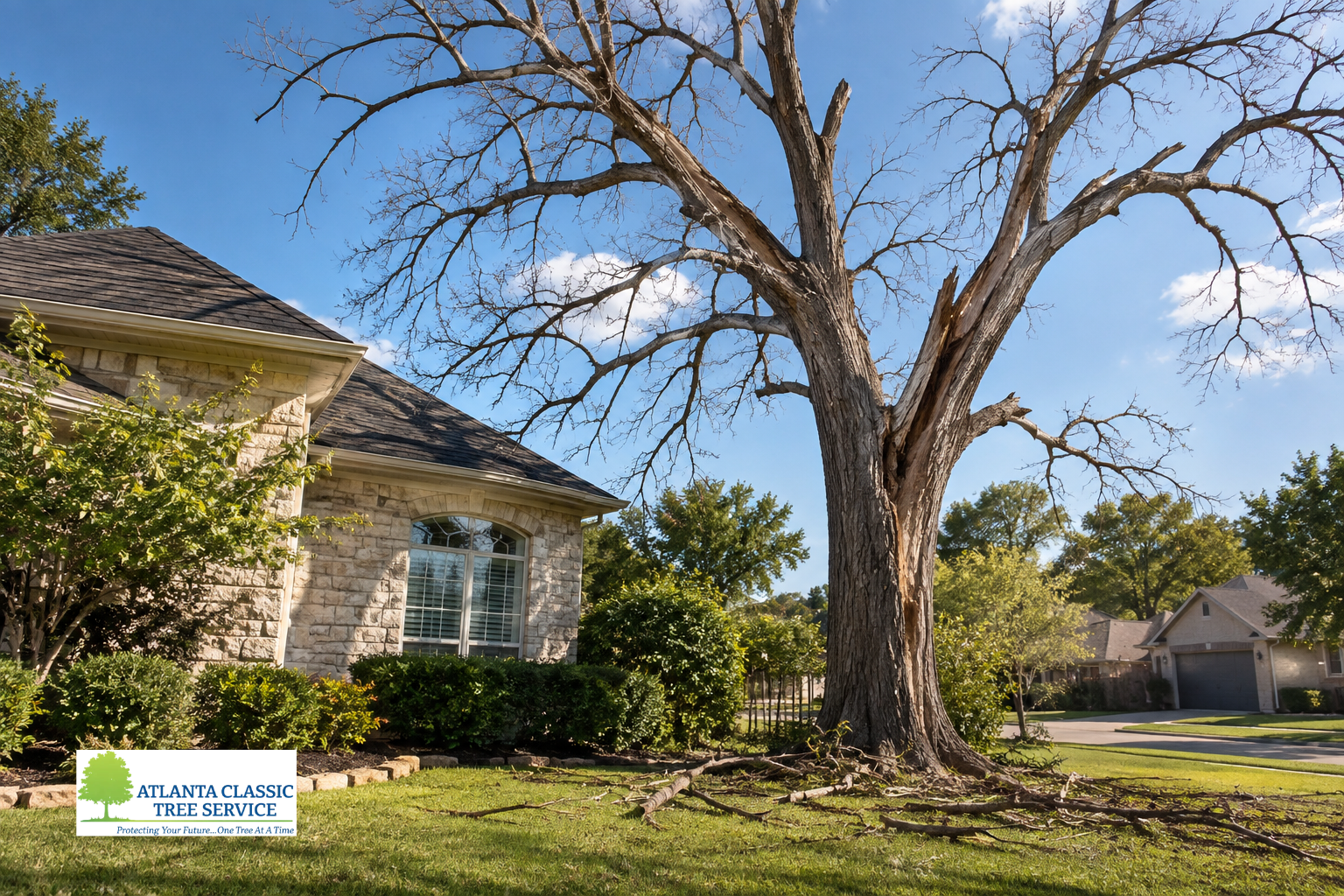
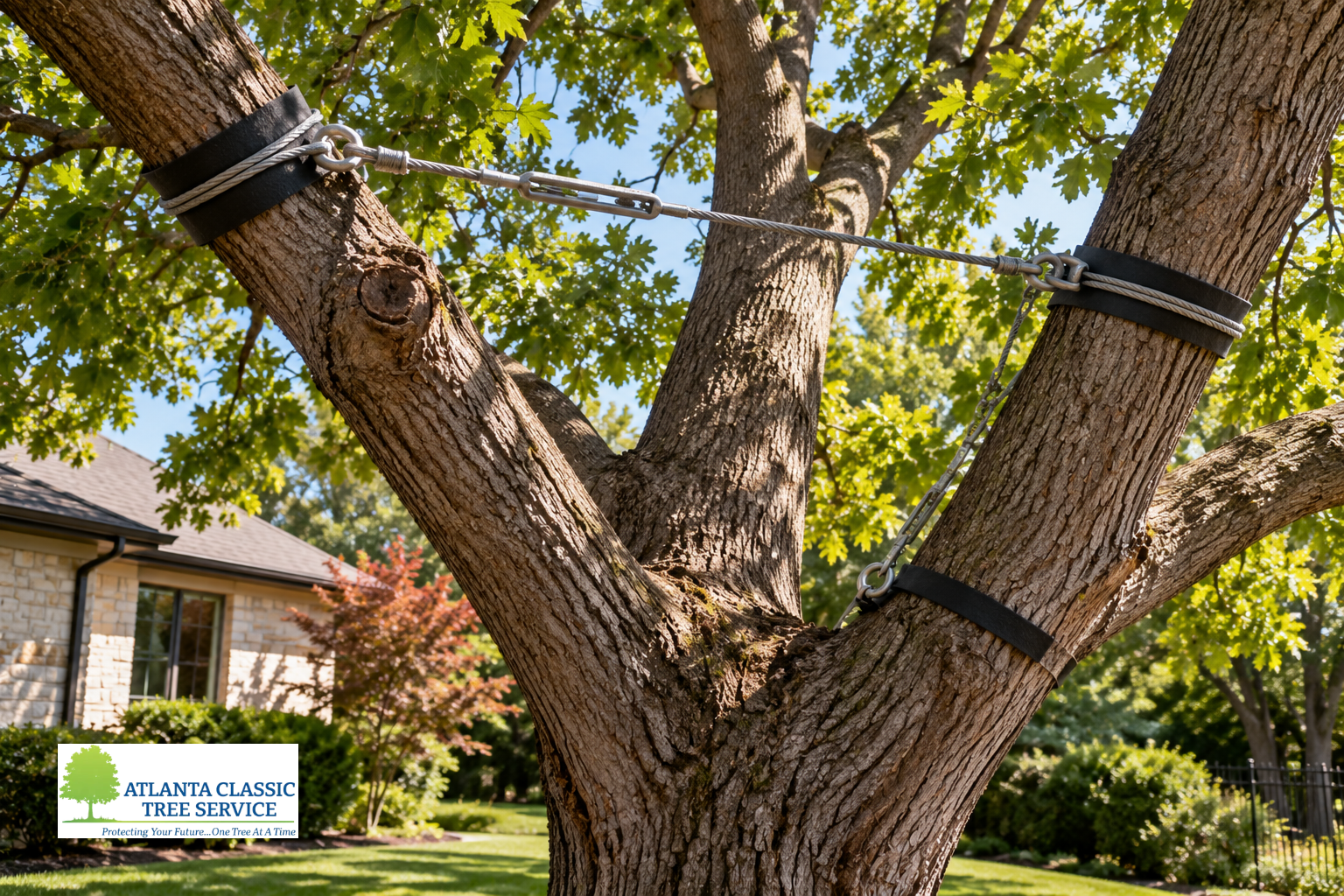
After a storm, many property owners want to remove broken limbs immediately. That urgency is understandable, but rushed cuts can cause more harm if the tree isn't assessed properly. Sometimes a limb that looks damaged can be supported with cabling and bracing, or selective pruning might be needed instead of major removal. A careful evaluation helps decide whether the best solution is structural support, deadwood removal, or deeper intervention.
Emergency pruning also requires attention to safety. Unstable branches can fall unpredictably, making the work dangerous without proper equipment and training. Professional crews plan to protect people, property, and the tree. This approach is much safer than improvising with ladders or consumer tools.
The Science Behind Better Tree Structure
Improving Branch Spacing and Canopy Balance
One main goal of professional tree pruning is to improve structure. Trees with crowded limbs, competing leaders, or narrow branch unions are more likely to fail in strong wind or heavy rain. Pruning creates stronger spacing between branches so the tree can distribute weight more evenly. That structure reduces stress and lowers the chance of splitting as the tree matures.
Balanced canopies also help with airflow. Better airflow reduces humidity inside the crown, lowering the risk of fungal disease and leaf spotting. This is especially useful for dense ornamental trees and older shade trees that have grown thick over time. A thoughtful pruning plan can make a tree look more open while also making it healthier from the inside out.
Removing Competing Leaders and Weak Attachments
Many young trees develop more than one dominant stem, creating long-term weakness. If those leaders remain, the trunk may split as the tree gets heavier. Professional pruning identifies the best central leader early and removes competing stems before the tree commits energy to an unstable form. This early correction often prevents expensive problems later.
Weak attachments can form where branches grow at narrow angles into the trunk. These unions are structurally unreliable and can fail under load. Skilled arborists recognize these patterns and prune them strategically. For property owners trying to protect valuable trees, this kind of structural correction is one of the most important services available.
How Pruning Helps Trees Grow More Beautifully
Encouraging a Natural Shape
Well-pruned trees don't look hacked or overcut. They keep a natural form that supports the species’ growth habits while guiding the canopy into a healthier shape. This is especially important for front-yard trees, street trees, and trees near outdoor living spaces where appearance matters as much as safety. A professional approach preserves beauty while improving function.
Selective pruning can enhance symmetry, reveal attractive branching patterns, and keep trees from crowding houses, walkways, and utility lines. That visual improvement isn't just for curb appeal. It also creates a tree that's easier to monitor for future issues because defects are more visible when the canopy isn't overly dense.
Supporting Long-Term Landscape Value
Mature trees can add significant property value when they are healthy and well maintained. Regular pruning keeps them attractive and functional, protecting that value over time. A neglected tree may eventually require major corrective work or even tree removal, but a well-pruned tree is more likely to remain an asset for decades. That difference can matter a lot for homeowners and commercial property managers alike.
Professional pruning is also a smart companion to stump grinding and other landscape recovery services when old damage or removals have changed the look of a yard. In a well-managed landscape, trees are part of a larger plan rather than isolated features. By investing in pruning early, property owners often avoid bigger restoration projects later.
Common Pruning Mistakes That Hurt Tree Health
Overpruning and Topping
One of the most damaging mistakes is removing too much of the canopy at once. Overpruning can strip a tree of the leaf area it needs to produce energy, leaving it stressed and vulnerable. Topping is even worse because it creates large wounds, weak regrowth, and a distorted structure that's more likely to fail. Trees often respond to topping with rapid, weak shoots that create future hazards.
These mistakes can lead to expensive corrective work and long-term decline. A tree that's been heavily topped may survive for a while, but it often loses structural integrity and becomes more susceptible to decay. That's why proper pruning standards, like those promoted by the Tree Care Industry Association, emphasize selective cuts rather than drastic removal.
Cutting at the Wrong Point
Another common issue is making cuts too close to the trunk or leaving long stubs. Both errors interfere with the tree’s natural wound response. A cut that ignores the branch collar can slow closure and increase the chance of decay entering the stem. A stub, on the other hand, often dies back and becomes a weak point.
Professional arborists understand where each cut should be made so the tree can respond appropriately. They also know how much to remove from each limb and how to maintain the tree’s overall balance. That knowledge is especially important on mature trees where even small mistakes can affect health for years.
Signs Your Tree May Need Professional Pruning
Deadwood, Rubbing Branches, and Dense Growth
If a tree has dead branches, limbs that rub against each other, or a canopy that feels too dense, pruning may be overdue. Deadwood can break without warning, while rubbing branches can wound each other and create openings for pests and disease. Dense growth often blocks air and sunlight, which can weaken the interior of the tree.
Homeowners sometimes notice these issues only after they become obvious from the ground. By that point, the tree may already be spending resources inefficiently. A pruning visit can correct these problems before they become larger structural concerns. It's often easier and less expensive to address small issues early than to wait until the tree declines.
Leaning, Storm Stress, or Heavy Limbs Near Structures
Branches growing toward roofs, driveways, fences, or service lines often need strategic reduction. If a tree is leaning or showing signs of imbalance, pruning may help redistribute weight and reduce failure risk. In some cases, a tree may also need a broader risk assessment to determine whether pruning is enough or whether the structure requires additional support. Resources such as how to spot an unsafe tree can help property owners identify warning signs before damage occurs.
Heavy limbs are especially concerning on older trees because weight increases stress on branch unions. Even a healthy limb can become dangerous if it extends too far over a house or driveway. An arborist can thin or shorten the branch in a way that preserves the tree while reducing the chance of breakage.
What a Professional Pruning Visit Typically Includes
Inspection and Planning
A professional visit usually begins with a close inspection of the tree’s condition, species, structure, and location. The arborist looks for disease, decay, storm damage, crossing branches, and signs of stress in the roots or trunk. This assessment guides the pruning plan so each cut supports a clear goal rather than being made for appearance alone. Good planning is the difference between routine maintenance and a truly beneficial tree health service.
In many cases, the inspection also considers surrounding trees, drainage, and soil conditions. Trees don't grow in isolation, so factors like root competition, compacted soil, and nearby construction can all influence the pruning strategy. If the root zone needs attention, services such as fertilization may be recommended to help the tree recover more effectively.
Clean Cuts and Follow-Up Care
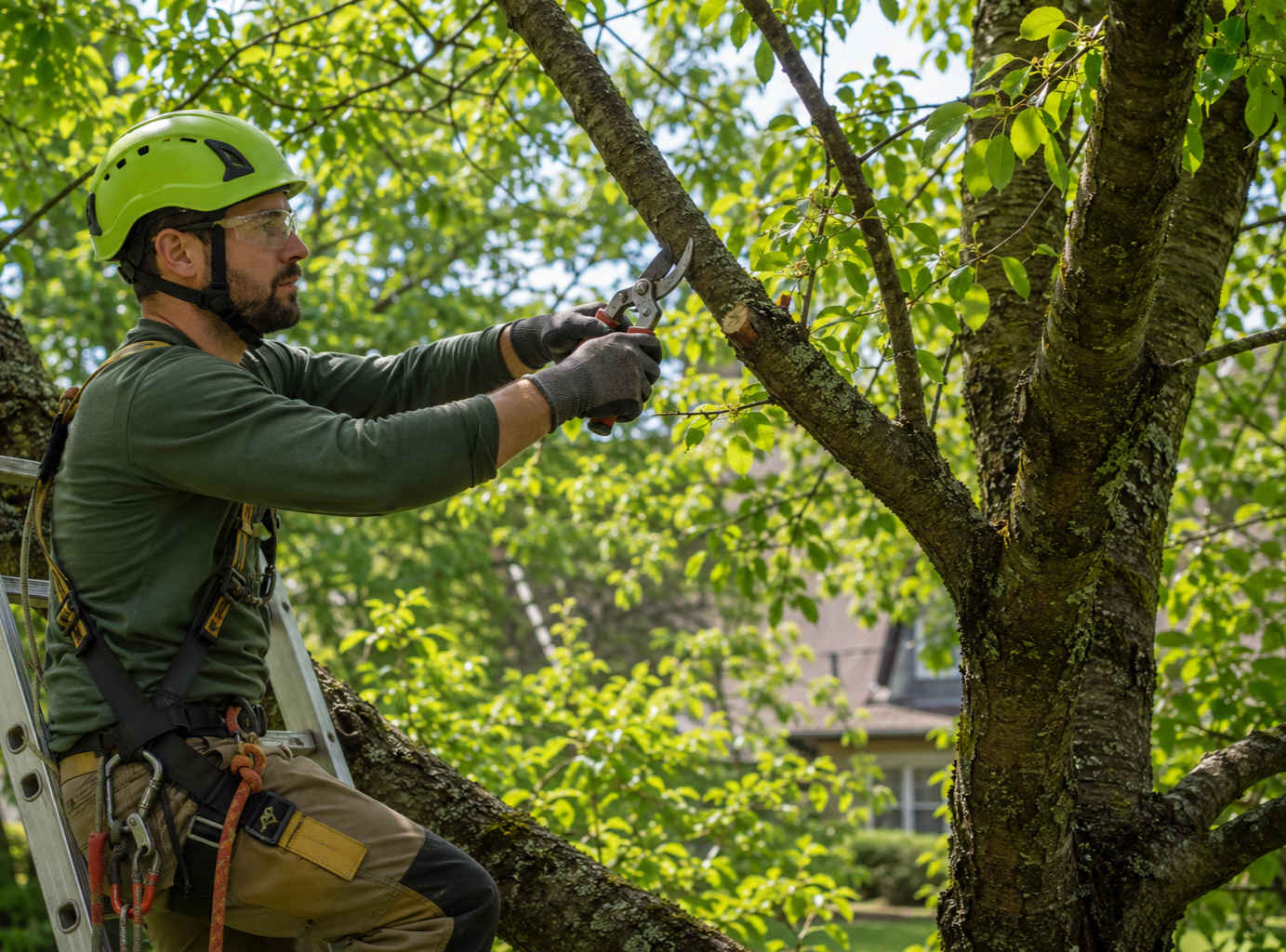
Once the pruning plan is in place, the crew makes precise cuts using the right tools for the branch size and location. Clean equipment and proper technique reduce the chance of spreading pathogens and help the tree recover faster. The goal is always to remove only what's necessary and leave the tree better equipped for future growth.
Follow-up care may include mulch recommendations, watering guidance, or a future inspection schedule. Some trees benefit from deeper structural work over multiple seasons rather than a single aggressive pruning session. That staged approach can protect tree health while steadily improving shape and safety.
Professional Tree Pruning vs. DIY Trimming
Safety and Equipment Matter
DIY trimming may seem simple until the work begins. Branch weight, unstable footing, saw kickback, and overhead hazards can turn a minor project into a serious injury risk. Professional crews bring the training, equipment, and planning needed to work safely around tall trees and complex structures. This matters not only for personal safety but also for protecting the tree from avoidable damage.
Many homeowners also underestimate how much a branch will shift once it's partially cut. A limb can swing, split, or tear bark in ways that are hard to predict without experience. Professionals know how to control those forces and reduce the chance of additional injury to the tree or surrounding property.
Tree Biology Is Easy to Misjudge
Another challenge with DIY pruning is misunderstanding how trees respond biologically. What looks like a simple cleanup may actually remove too much live tissue, create poor regrowth, or expose the tree to decay. Professionals understand tree species, growth habit, and wound response, which helps them make better decisions. This expertise is especially valuable on ornamental or mature landscape trees where mistakes are costly.
For homeowners who want healthy trees and less guesswork, professional help is usually the smarter long-term investment. If the tree is overgrown or structurally complex, a trained team can prune it in a way that supports future growth instead of causing setbacks. That's the core difference between trimming and true tree care.
How Pruning Fits Into a Complete Tree Care Plan
Pruning Works Best with Soil and Structural Support
Tree health is rarely improved by one service alone. Pruning works best when paired with thoughtful care for the soil, roots, and structure of the tree. In some cases, a tree may benefit from cabling and bracing to support weak limbs, or from routine monitoring after major weather events. Those combined measures can extend the life of valuable trees.
Soil health matters too. Compacted soil, poor drainage, and nutrient deficiency can limit a tree’s ability to recover after pruning. When those issues are identified early, treatment plans can be built around the tree’s real needs instead of applying a generic solution. That level of attention is a major reason professional tree care produces better results.
Long-Term Monitoring Prevents New Problems
Healthy growth isn't a one-time achievement. Trees change from season to season, and new branches, wounds, or stress points can appear over time. Regular inspections help catch problems before they spread or become dangerous. This is particularly helpful for valuable shade trees, young canopy trees, and trees near homes or commercial structures.
Atlanta property owners who want a dependable maintenance plan often find that periodic pruning is the most cost-effective way to preserve tree value. It can reduce emergency work, improve appearance, and support a safer landscape year after year. For properties with historic or especially tall trees, it may also be wise to consider lightning protection as part of a broader preservation strategy.
Frequently Asked Questions About Tree Pruning
How Often Should Trees Be Pruned?
The answer depends on the species, age, and condition of the tree. Some trees need pruning every few years, while others may need more frequent light maintenance. Young trees often benefit from early structural pruning, while mature trees may only need periodic care to remove deadwood or correct specific issues. A certified arborist can recommend a schedule based on the actual tree, not a general rule.
Will Pruning Make My Tree Grow Faster?
Pruning doesn't necessarily make a tree grow faster in size, but it can improve the quality of growth. By removing weak or crowded branches, the tree can direct energy into stronger, healthier tissue. This often results in better leaf production, improved shape, and more resilient branching over time. Growth may be more controlled, but it's usually healthier.
Can Pruning Save a Tree That's Already Struggling?
In many cases, yes. If a tree is declining because of deadwood, structure problems, or excess canopy weight, pruning may reduce stress and improve recovery. However, pruning isn't a cure-all. A struggling tree may also need fertilization, soil improvement, pest management, or structural support depending on the cause of decline. That's why professional diagnosis is so important.
Conclusion: Healthy Growth Starts with Smart Pruning
Professional tree pruning is one of the best ways to encourage healthier growth, improve structure, reduce disease risk, and protect the value of your yard. When done by trained arborists, pruning is a long-term investment in tree vitality rather than a quick cosmetic fix. Benefits include better airflow, stronger branch structure, improved balance, and lower risk of storm damage.
If your trees have dead limbs, dense canopies, weak attachments, or branches growing too close to your home, it may be time for a professional evaluation. Atlanta Classic Tree Service has served property owners since 1987 with careful, standards-based tree care designed to protect both trees and the people around them. Whether your property needs routine pruning, structural support, or a broader maintenance plan, expert help can make a noticeable difference in the health and beauty of your trees.
To learn more or schedule service, contact Atlanta Classic Tree Service at (770) 497-1941 or visit our website. A healthier yard often starts with a single smart cut, and the right pruning plan can keep your trees growing stronger for years to come.