Dealing with high branches over your roof, driveway, or near power lines can quickly turn from a simple weekend task into a risky project. Pruning those branches might look easy from the ground, but it often involves hidden dangers and specialized gear. Plus, the way you trim can affect your tree's health for years to come. If your goal is a safer yard and healthier trees, calling in the pros is usually the best move. If you're thinking about getting expert pruning or just want a good look at your trees' structure, knowing what’s involved can help you dodge costly mistakes.
Pruning is a key part of keeping your yard in shape because it guides growth, removes hazards, and keeps trees healthy over the long haul. It requires an understanding of tree biology, timing, and cutting techniques that most of us don't deal with often. The Arbor Day Foundation points out that good pruning supports tree structure and helps avoid future issues, while bad cuts can stress trees and invite disease. That's why many people turn to seasoned pros for tree removal, cabling, or pruning when things get too tricky for a DIY job.
In this guide, we’ll dive into why high branches are particularly challenging, what experts consider before cutting, and how professional pruning benefits both your trees and property. We'll also cover safety tips, the best times for pruning, and common mistakes that can harm your tree. Whether you're managing your home’s yard or a commercial property, understanding the limits of DIY pruning can save you time, money, and headaches.
Why High Branches Are Tricky to Prune
Safety Risks Increase with Height
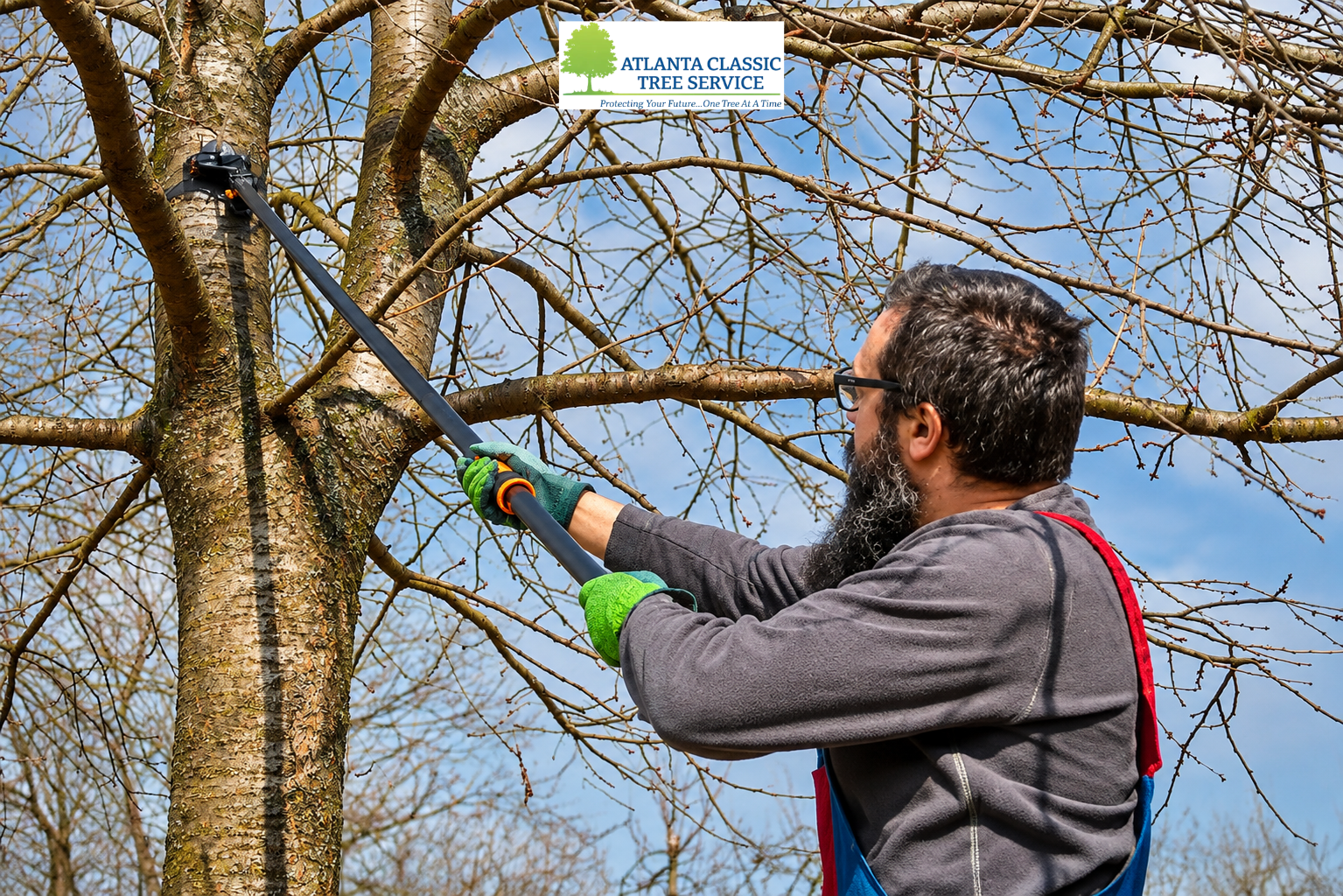
As branches get higher, the risks of reaching them increase. Using ladders, pole saws, and dealing with uneven footing can be dangerous, especially around tight landscaping. High branches are often near roofs, utility lines, or other structures, adding more risk. According to the Occupational Safety and Health Administration (OSHA), falls are a significant hazard in outdoor work, including tree care. When a branch is high enough that climbing or specialized lift access is needed, professional help becomes crucial.
Judging Tree Structure is Tougher Up High
Top branches play a vital role in balancing a tree's canopy. A seemingly harmless cut from below might remove a crucial support limb or affect how wind moves through the tree’s crown. That’s why pruning at height isn’t just about trimming what you can see. Certified arborists study branch angles, attachment strengths, and canopy density before making cuts. If a tree needs structural correction rather than a simple trim, a pro might suggest cabling and bracing instead of heavy pruning.
Access Impacts the Quality of the Cut
Good pruning isn't just about taking off a branch. The angle of the cut, its placement relative to the branch collar, and the amount of wood removed all impact recovery. When access is tough, rushed or awkward cuts are more likely, leading to stubs, tears, or wounds that don’t heal well. A well-equipped team can safely reach the crown and make cleaner cuts that encourage healthy regrowth.
What's Involved in Professional Tree Pruning
Inspection Before Cutting
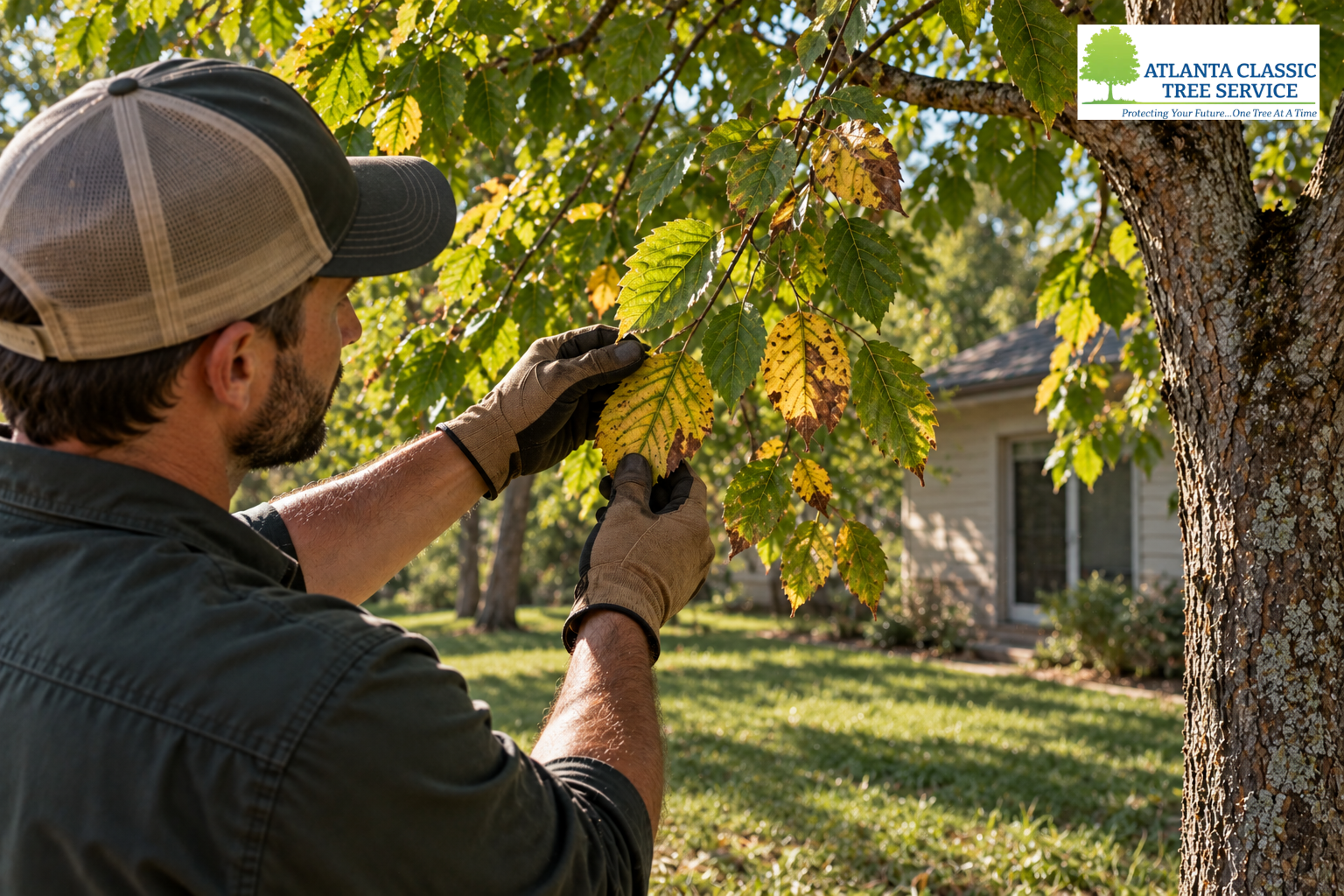
Professional pruning kicks off with a careful assessment of the tree’s condition, species, age, and location. Not every messy-looking branch needs to be removed, and not every weak limb should go immediately. Arborists evaluate whether the goal is to improve structure, increase clearance, reduce weight, or eliminate deadwood. They also check for disease, cracks, decay, or root instability that might change the plan. In some cases, they might recommend fertilization to help a stressed tree recover or boost its overall health.
Using the Right Pruning Techniques
Different cuts serve different purposes. Crown thinning reduces excess density for better airflow and light, while crown cleaning removes dead or broken limbs. Crown raising improves clearance over walkways or driveways, and crown reduction cuts weight on a limb without harsh topping. The International Society of Arboriculture notes that selective pruning is safer for long-term tree health than random or excessive cutting. Pros know how much of the canopy can be removed without stressing the tree or making it vulnerable to sunscald and decay.
Cleanup and Follow-Through
Pruning doesn’t end when the saw stops. It also includes cleaning up debris, checking final cuts, and seeing if the tree’s balance has shifted post-pruning. In many yards, follow-up work like stump grinding or pest monitoring might be necessary if nearby trees are stressed. A thorough crew leaves the area safer and cleaner than before, which is part of the benefit of hiring pros.
Why DIY Pruning Can Be Costly
Improper Cuts Harm Tree Health
One common DIY mistake is cutting too close to the trunk or leaving long stubs. Both slow healing and increase decay risk. Homeowners might also remove too much foliage at once, forcing the tree to regrow instead of strengthening. Over-pruning can weaken a canopy and lead to brittle regrowth that fails in storms. Once a tree starts declining from bad pruning, fixing it is often slower and more costly than the original work.
Hidden Hazards Are Easy to Overlook
High branches might hide deadwood, hollow sections, insect damage, or internal cracks. A branch that looks solid from afar could fail under weight or wind if the inside is deteriorated. Pros are trained to spot warning signs that homeowners often miss, crucial after storms or drought. In storm-prone areas, a full tree assessment can mean proactive care instead of emergency response.
Equipment and Access Costs Can Add Up
Renting ladders, saws, ropes, or lift equipment can make DIY pruning less cost-effective than expected. If the job needs multiple tries, cleanup, or damage repair, costs can climb fast. Worse, one mistake might damage a roof, fence, vehicle, or nearby plants. Professional crews bring the right tools, insurance, and experience to complete the work efficiently and with less risk.
How Timing Affects Pruning Results
Different Trees, Different Timing
Pruning timing matters because trees react differently throughout the year. Some benefit from dormant-season pruning when structure is clearer and stress is lower. Others fare better after flowering or during specific growth windows. According to the University of Georgia Extension, knowing species-specific timing helps reduce stress and improve landscape health. That’s why local expertise is so valuable in Georgia tree care.
Storm Season Adjusts Priorities
During storm-prone times, the focus often shifts from looks to risk reduction. Weak attachments, dead limbs, and overextended branches can pose serious hazards in strong winds. A pro might recommend pruning a limb sooner if it threatens structures or shows failure signs. This is especially key for trees near busy driveways, sidewalks, and commercial entryways. Preventive work often costs less than emergency cleanup after a storm.
Consider Recovery Time
Pruning too aggressively at the wrong time can leave a tree vulnerable during peak heat or drought. On the flip side, waiting too long can let hazardous limbs linger for another season. A balanced pruning plan considers recovery time, weather, and the tree’s condition. This planning is easier when an arborist assesses the property and suggests a realistic schedule.
Signs You Need Professional Help with High Branches
Look for Dead, Cracked, or Rubbing Limbs
Dead branches are a clear sign that pruning is needed, but they’re not the only worry. Cracks, bark splitting, and rubbing limbs weaken the canopy. These issues often become more visible at height as they’re harder to spot from the ground. If you notice unusual leaf drop, sparse foliage at the top, or hanging branches, it might be time for an inspection. Sometimes a tree that seems unstable might need tree removal if pruning alone can’t make it safe.
Canopy Imbalance and Leaning Growth
A tree that’s grown unevenly might put too much pressure on one side, especially after years competing for sunlight. High branches can get overloaded and lean outward, straining the trunk. Pros can carefully reduce that pressure without making a lopsided canopy. They might recommend support systems if the structure is salvageable but weak. If a tree is too compromised to stabilize safely, removal could be the better option.
Close Proximity to Structures or Utilities
Branches too close to a roof, chimney, fence, or utility line should never be ignored. Even slight movement in a storm can cause contact damage, abrasion, or power interruptions. The closer a branch is to a structure, the more careful pruning needs to be. In these cases, working with a trained crew isn’t just convenient—it’s a safety measure.
The Tools and Skills Pros Bring
Special Equipment for Safe Access
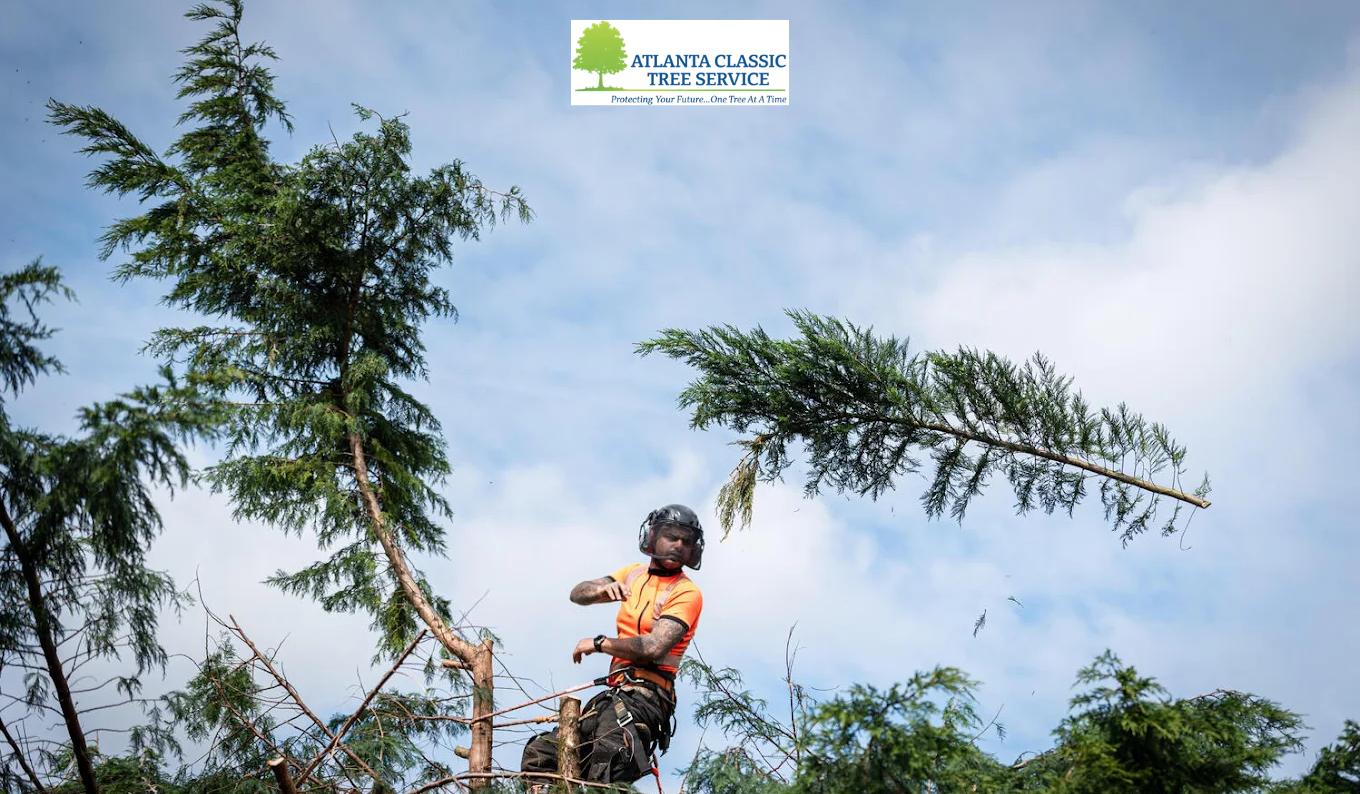
Professional crews use climbing gear, rigging systems, ropes, harnesses, and aerial lifts when needed. This gear helps them reach high branches without harming the tree or putting workers in unstable spots. It also controls the descent of cut limbs so they don’t hit the house, driveway, or landscape below. Since every property is unique, the right equipment makes a big difference in safety and precision.
Knowledge of Tree Biology and Risks
Tree work is both science and craftsmanship. A trained arborist knows how wounds heal, fungi spread, and how a tree redirects energy after pruning. This knowledge leads to better decisions about what to remove, what to keep, and what to monitor. Professional training also helps crews identify when a high branch issue signals a broader structural problem. For example, if a tree has a split leader, a solution like cabling and bracing might be better than repeated pruning.
Insurance and Accountability
Even a well-planned pruning job carries some risks, especially near buildings. Hiring a fully insured company gives property owners added protection and peace of mind. If crews work at height, that accountability is as important as skill. Atlanta Classic Tree Service has been serving Metro Atlanta since 1987, bringing experience for safer, informed decisions on every job.
How Pruning Boosts Property Value
Healthier Trees Enhance Curb Appeal
Well-pruned trees look tidier, grow evenly, and add visual structure to your yard. This matters whether you’re prepping a home for sale or just want the property to look its best. Overgrown branches can make a yard look neglected even if the rest is in good shape. A professional pruning plan restores balance and makes the whole property look more cared for.
Preventive Care Means Fewer Emergencies
Tree issues rarely stay small forever. A limb rubbing today might split tomorrow, and a dead branch that seems minor could fall in the next storm. Regular pruning helps catch these issues early, usually leading to lower costs and fewer emergency calls. That’s where services like routine pruning and periodic inspections pay off. Prevention is almost always cheaper than major cleanup after damage.
Proper Tree Care Protects Nearby Investments
Homes, patios, vehicles, irrigation systems, and walkways can all be damaged by failing branches. Trees are valuable, but only when managed with care. Professional pruning protects both the tree and the property around it, making it part of long-term maintenance rather than an optional task. Timely pruning can also reduce the need for expensive corrective work later.
Common Questions About High Branch Pruning
How Do I Know If a Branch is Too High to Prune Myself?
If you need a ladder, are working near power lines, or can’t clearly see the branch’s attachment point from the ground, it’s likely beyond safe DIY range. Height alone isn’t the only factor, but it’s a strong warning sign. When access is tough, the chances of a poor cut or injury rise fast. A professional evaluation is usually the safest next step.
Will Pruning Hurt My Tree?
Proper pruning shouldn’t harm a healthy tree. In fact, selective pruning often boosts health by removing dead weight, increasing airflow, and reducing stress. Problems come from excessive cutting, bad timing, or poor technique. That’s why hiring a trained arborist is so important when branches are high or the tree has weaknesses.
What If the Tree Already Has Damage?
If a tree has storm damage, decay, or a split trunk, pruning might help after a careful evaluation. Some trees can be stabilized with pruning and support systems, while others are too compromised to keep safely. In those cases, removal might be the more responsible option. Getting a full assessment from a trusted team can clarify whether pruning or removal is the best route.
When to Call Atlanta Classic Tree Service
After Storms or Strong Winds
Storms often reveal weaknesses that weren’t obvious before. If a branch is cracked, hanging, or resting on another limb, don’t try to pull it down yourself. Damage can shift suddenly and cause injury. A professional team can assess the hazard, prune safely, and recommend any follow-up care needed to restore stability.
When Clearance Becomes an Issue
Branches encroaching on roofs, gutters, signs, or utility lines should be addressed before causing damage. Early action gives crews more options and usually reduces corrective work. It also protects the property’s appearance, important for homeowners, HOAs, and business managers. If the issue is part of a bigger concern, a coordinated plan might include pruning, fertilization, or even stump work.
When the Tree is Valuable or Historic
Some trees are worth preserving due to age, size, or sentimental value. In those cases, precision is crucial. Professional pruning can extend the life of a cherished tree while reducing risks to the surrounding property. For especially important trees, a complete care plan may include lightning protection or structural support, depending on the site’s exposure and the tree’s condition.
High branches present big challenges because they involve height, weight, structure, and safety all at once. What looks like a simple trim from the ground often calls for expert judgment, special tools, and a solid understanding of tree growth. That’s why professional pruning is usually the way to go for homeowners and property managers who want lasting results without unnecessary risks. If your trees need more than a quick reach from a ladder, contact Atlanta Classic Tree Service for careful, reliable help with pruning, structural support, and comprehensive tree care. For more local support, check out our pruning service or get in touch to schedule a property assessment today.