Big trees are stunning, but when branches get too heavy, too high, or too close to your home, they can become a serious hazard. Cutting these limbs isn't just a matter of grabbing a saw. It requires planning, climbing skills, rigging know-how, and a solid understanding of tree biology to do it safely and correctly. Wondering whether to tackle it yourself or call in the pros for tree removal or pruning? It's usually safer to leave the tough stuff to the experts.
At Atlanta Classic Tree Service, we’ve seen how quickly a simple-looking tree job can turn into an emergency. A branch might seem manageable from the ground but could actually be under tension, cracked inside, or ready to drop onto a roof, fence, car, or power line. According to the U.S. Occupational Safety and Health Administration, tree work is one of the riskier outdoor trades due to falls, chainsaw injuries, and electrical hazards. For homeowners, these risks can be even harder to control without the right equipment or training. Protecting your property and avoiding injury often means calling in the pros. For more safety tips, check out OSHA’s tree care resources at osha.gov/tree-care.
This guide will cover why heavy branches are risky, what pros do differently, and how proper tree care can keep both you and your trees safe. You'll also learn when pruning is enough, when support systems might help, and when removal is the way to go. For a more comprehensive look at care options, check out our pruning and cabling & bracing services.
Why Big Trees Pose Bigger Risks
Heavy Limbs Pack More Force Than You Think
Big branches aren't just heavy; they pack a punch. The farther a limb sticks out from the trunk, the more force it creates at its attachment point, especially during wind, rain, or ice. So, a branch that seems stable on a calm day might become dangerous during a storm or when weighed down by wet leaves. Even experienced property owners can miss these hidden dangers near the trunk or where the branch splits into smaller limbs.
Tree biology is another factor. A limb might look healthy on the outside but suffer from internal decay, poor connections, or past storm damage. Arborists look for bark inclusions, hollow sections, cracks, and deadwood before deciding how to cut. Without that assessment, you might remove the wrong part and trigger a bigger problem. That's why a professional approach goes beyond cutting; it’s about understanding how the whole tree holds together.
Weather Can Turn a Routine Job Into a Risky One
Georgia’s weather adds complexity to tree work. Sudden wind gusts, summer storms, soaked soil, and remnants of hurricanes can all impact how a tree behaves during work. Even if you start on a calm day, conditions can shift quickly enough to make a branch unstable. Pros plan around weather, site access, and escape routes to stay in control of the job.
Heavy limbs can become unpredictable after rain. Water adds weight, softens the ground around roots, and increases the chance of slipping while using ladders or climbing gear. That’s why professional tree care teams use equipment and procedures that reduce risk. Safe tree work requires more than strength; it’s about timing, sequence, and good judgment.
What Pros Do Before They Make a Cut
They Inspect from Roots to Crown
Professional arborists don’t just start hacking away. They begin with a thorough evaluation of the tree’s structure, health, and surroundings. That includes checking for decay, dead limbs, pests, fungus, leaning, cavity formation, and root disturbance. They also look at what's below and around the tree: houses, driveways, utility lines, decks, sheds, and nearby plants. This planning sets expert work apart from guesswork.
For many property owners, the biggest takeaway is that the “problem branch” might not be the real issue. A branch might be failing due to poor spacing, root stress, or previous bad cuts. In such cases, removing the branch without addressing the bigger issue can lead to more damage later. Pros use their training to decide whether a tree needs selective pruning, structural support, or complete removal. The International Society of Arboriculture offers helpful educational material on tree care at TreesAreGood.org.
They Pick the Right Technique for the Job
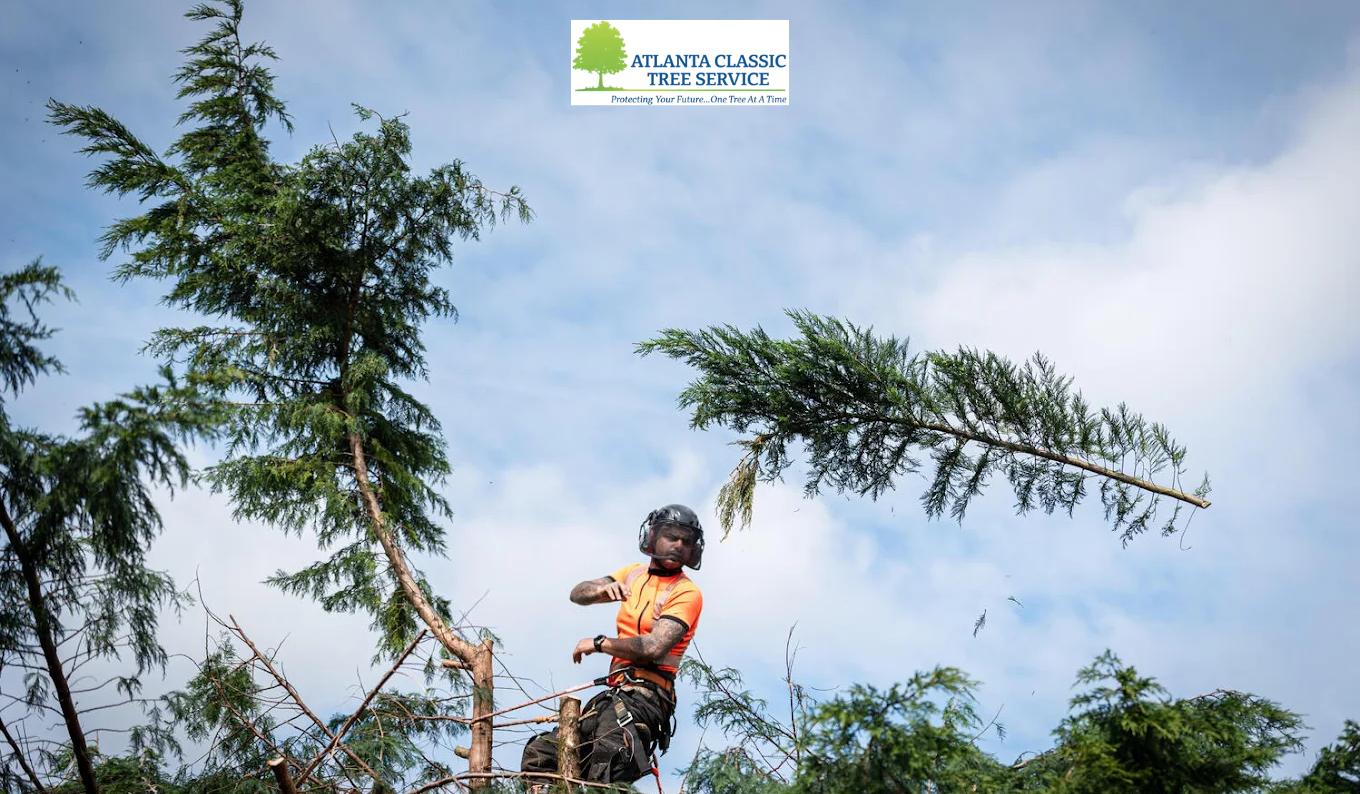
There’s a big difference between simple trimming and advanced tree cutting. A pro crew might use controlled lowering, rigging ropes, notch cuts, sectional dismantling, and special climbing gear to bring limbs down safely. These techniques let the team reduce weight gradually instead of dropping big sections all at once. This matters when a branch hangs over a roof, parking area, or other sensitive spots.
The technique also impacts the tree. Bad cuts can tear bark, expose large wounds, invite disease, or permanently distort the canopy. Good cuts help a tree compartmentalize damage and continue growing in a healthy direction. This is one reason why professional tree care often yields better long-term results than rushed DIY work. If you're trying to improve structure while protecting health, a thoughtful service plan might include pruning followed by fertilization to help the tree recover and strengthen new growth.
Why DIY Tree Cutting Often Costs More
Renting Equipment Doesn’t Mean You Have Experience
Many homeowners think if they can rent a chainsaw and a ladder, they can handle the job. In reality, equipment is just one piece of the puzzle. Safe tree cutting requires balance, communication, hazard assessment, rigging knowledge, and the ability to predict tree movement after a cut. A tool in the wrong hands can turn a manageable project into a serious accident.
There’s also the hidden cost of mistakes. Damaged siding, broken windows, crushed landscaping, and destroyed fences can quickly exceed the price of a professional visit. Add in medical bills or lost work time, and the math changes fast. Homeowners who start with the idea of saving money often end up spending more after a DIY mistake. A skilled team reduces the chance of those costly surprises.
DIY Cuts Can Create Future Tree Problems
Improper cuts don’t just affect safety; they can also alter tree growth for years. Topping, flush cutting, and random limb removal can lead to weak regrowth, decay entry points, or uneven weight distribution. A poorly cut tree today may become a constant maintenance headache tomorrow. This is especially important for mature landscapes where aesthetics, shade, and property value all matter.
Professional care aims to preserve tree form while reducing risk. If a tree is too compromised for safe retention, removal might be the most responsible choice. In those situations, stump handling matters too. That’s why many property owners choose stump grinding after removal to restore usable yard space and reduce pest concerns. For trees that can be saved, support systems like cabling & bracing can help stabilize the structure without removing the tree entirely.
How Pros Protect People, Property, and Trees
Safety is Built into Every Step
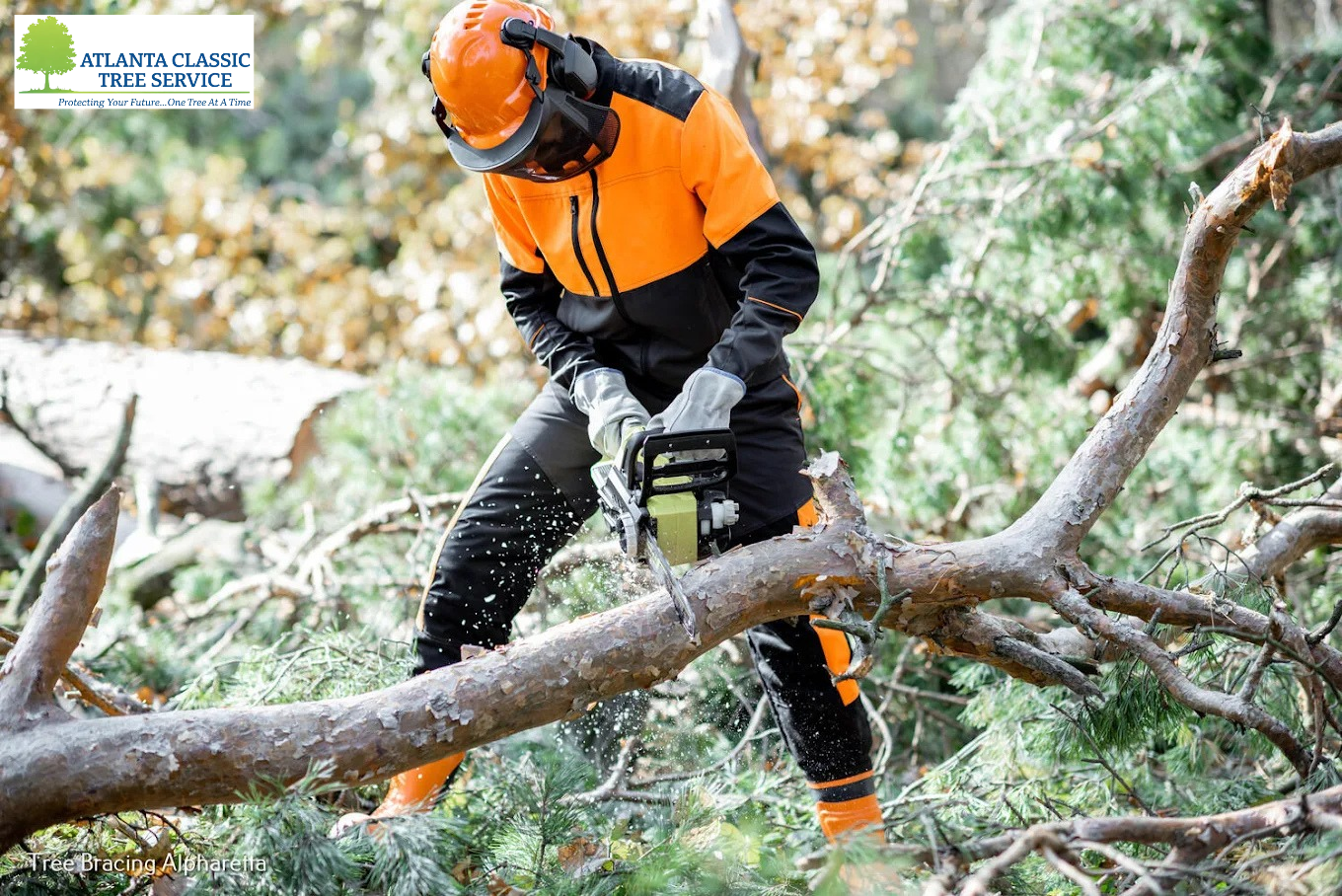
Professional tree crews have a clear safety plan. This includes personal protective gear, communication protocols, work zones, and equipment checks. It also means planning where each piece of wood will go before a cut is made. When large branches are involved, a controlled approach keeps people out of danger and prevents property damage.
Many homeowners don’t realize how quickly a falling limb can change direction. A straightforward-looking cut can swing, roll, or catch on another branch. Pros anticipate these variables and use rigging to guide the load where it needs to go. This is crucial when dealing with deadwood or storm-damaged trees. If a tree can't be saved safely, our tree removal service provides a controlled solution that minimizes chaos and helps the property recover quickly.
Tree Health is Part of the Plan
Good tree care doesn’t just make the hazard go away; it supports the whole landscape. That might mean pruning to improve structure, fertilization for stressed roots, or advice to reduce future strain. Healthy trees are less likely to develop weak branch unions, sparse canopies, and pest problems. When the root zone is suffering or the soil is depleted, targeted support can be as important as cutting.
For instance, a tree with thinning leaves and reduced vigor might benefit from a professional assessment before any cutting. Nutrient support and structural corrections can sometimes extend the life of a tree that might otherwise decline. If your landscape shows signs of stress, check out our fertilization solutions to help restore balanced growth and boost resilience. Healthy growth is always easier to maintain than damage control.
When to Prune and When to Remove
Signs That Pruning Might Work
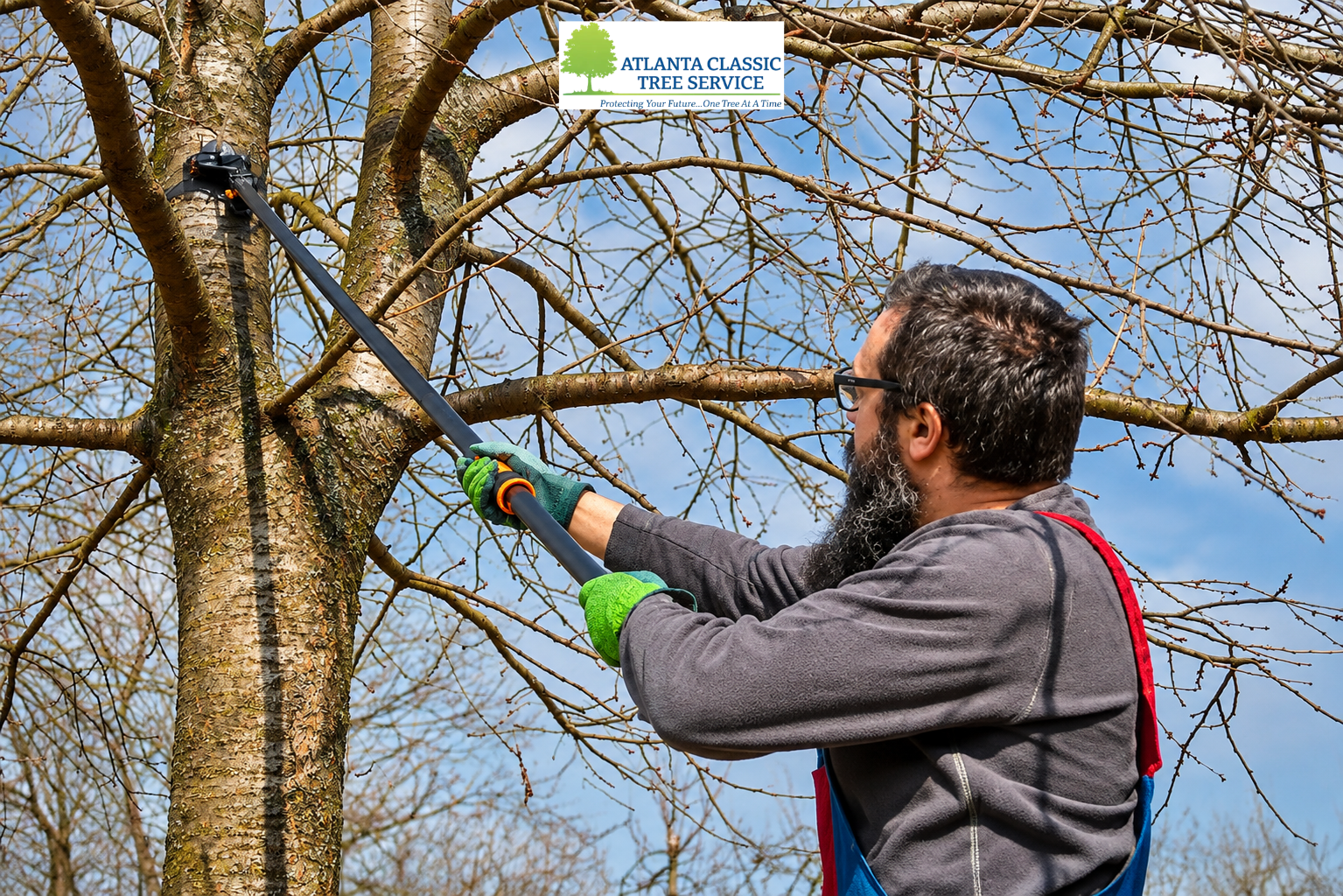
Not every big tree needs to come down. Often, selective pruning can reduce weight, improve clearance, and correct poor growth patterns. If the tree is generally healthy, has strong roots, and shows no major structural defects, an arborist might suggest reducing selected limbs instead of full removal. This keeps shade, aesthetics, and ecological value intact while addressing immediate concerns.
Pruning is especially useful when branches rub against structures, grow too close to the roof, or create dense canopies. Careful cuts can reduce wind resistance and help the tree distribute weight more evenly. In many neighborhoods, this is the most practical way to manage mature trees without losing their benefits. Want to know more about why timing and technique matter? Check out our related post on how tree pruning encourages healthier growth.
When Removal is the Responsible Choice
Sometimes a tree is just too compromised to keep. Extensive trunk decay, major root failure, repeated storm breakage, and large structural cracks can make removal the safest option. When the core support system is failing, pruning might only delay the inevitable. In these cases, removal protects people, buildings, and nearby trees from collateral damage.
Dead or dying trees also become more unpredictable over time. Branches can drop without warning, and the trunk can split during a storm. If you're unsure whether a tree can be saved, it's better to have it evaluated early rather than wait for a crisis. Our team can compare options and recommend the best path forward. For a deeper look at the decision-making process, read our article on when it is time to let go of a tree.
Where Cabling, Bracing, and Lightning Protection Fit In
Support Systems Can Extend a Tree's Life
Some trees don’t need to be removed, but they do need help. Cabling and bracing can reduce the risk of failure in trees with split stems, weak unions, or heavy lateral limbs. These systems don’t make a tree indestructible, but they can improve stability and allow the tree to stay part of the landscape. They’re most effective when installed as part of a broader arborist plan rather than as a last-minute fix.
Support systems are especially useful for older or high-value trees. For example, a historic oak or a mature shade tree that adds significant property value might be a candidate for reinforcement instead of removal. The key is proper evaluation. When support is appropriate, our cabling & bracing service can help reduce risk while preserving the tree’s presence and function.
Lightning Protection Matters for Tall and Valuable Trees
Tall trees are natural lightning targets, and a strike can split the trunk, ignite the canopy, or destabilize the tree permanently. In severe storms, a strike might also send electrical energy into nearby structures or utility lines. That’s why lightning protection can be an important part of risk management for especially valuable trees. It’s a preventive step many property owners overlook until after damage occurs.
The USDA Forest Service explains that lightning can seriously injure or kill trees and that protection systems may reduce risk for high-value specimens. Learn more from the agency’s tree care resources at fs.usda.gov. If you're concerned about a tall landmark tree or one close to your home, our lightning protection service might be worth discussing before storm season arrives.
What a Professional Tree Cutting Job Looks Like
Inspection, Planning, and Site Prep
Every safe tree cutting project starts with a site visit. The crew evaluates the tree, identifies hazards, determines the best access points, and plans where each cut will happen. They may also coordinate with you about vehicles, pets, gates, and nearby utilities. Good prep reduces surprises and speeds up the work.
Once the plan is set, the team sets up equipment and establishes a work perimeter. This keeps bystanders out of the drop zone and helps everyone understand where movement is allowed. In many cases, the crew will also stage wood removal and cleanup so the property is easier to use when the work is done. The goal is not just cutting; it's restoring order safely.
Controlled Removal and Cleanup
During the cutting phase, pros often remove branches in sections. This reduces weight gradually and gives the crew more control over how the limb lands. Larger trunks might be cut down in stages instead of all at once. That’s especially important in tight spaces, near structures, or over delicate landscaping.
After the tree work is done, cleanup is crucial. Brush, logs, and debris are removed, and the site is checked for remaining hazards. If the tree was removed entirely, stump grinding might follow so the area can be replanted, sodded, or repurposed. That final step helps the property recover visually and functionally.
How to Pick the Right Tree Service
Look for Training, Insurance, and Standards
When hiring someone to cut a large tree, experience should be a must. Ask if the company is insured, whether its arborists have professional credentials, and if the team follows industry standards. Membership in respected groups like the ISA and the Tree Care Industry Association shows a company takes safety and education seriously. These credentials matter because they show a commitment to proper technique, not just speed.
It’s also wise to ask how the crew handles complex removals, equipment access, and emergency conditions. A trustworthy provider should explain the process clearly and answer your questions without pressure. If a company can’t explain how it plans to manage risk, consider it a warning sign. Professionalism should be obvious before the first cut.
Choose a Company That Values Communication
Good tree work depends on communication as much as skill. The best crews explain what they found, what they recommend, and why. They also provide realistic expectations for timing, cleanup, and follow-up care. This clarity helps property owners make better decisions and reduces the stress that often comes with large tree projects.
Atlanta Classic Tree Service has served Metro Atlanta since 1987, and we’ve learned that the best results come from honest assessment and careful execution. Whether a job calls for pruning, support, or removal, the right answer starts with a real inspection, not a rushed assumption. If you want a local team that values safety and long-term tree health, we’re here to help.
FAQs About Large Tree Cutting
Can I Cut a Large Branch Myself?
Sometimes a branch looks reachable, but the real risk comes from its weight, angle, and internal condition. Even a branch that isn’t very high can pinch, swing, or drop unpredictably if it’s under tension. If it hangs over a structure or requires a ladder, it’s better to have a professional evaluate it first. The safer question is not whether you can reach it, but whether you can control it.
How Do I Know if a Tree is Too Dangerous to Keep?
Look for major cracks, hollow sections, root heaving, fungi at the base, large dead limbs, and noticeable leaning that has worsened over time. If the tree has already shed major branches or been damaged repeatedly in storms, it may be moving toward failure. A trained arborist can determine whether the tree still has a safe future. Early evaluation is always easier than emergency removal.
What Should I Do After a Storm Damages a Tree?
Stay away from the tree if limbs are hanging, split, or touching power lines. Don’t try to pull down branches or climb into the canopy. Instead, document the damage from a safe distance and call a qualified tree service as soon as possible. If you're dealing with an overgrown pond area, drainage concern, or muddy access route nearby, proper site management might also be needed, which is why some properties benefit from routine detention/retention pond maintenance to keep runoff and erosion under control.
Protect Your Property by Calling the Pros First
Safer Trees Start with Smarter Decisions
Big trees and heavy branches are impressive, but they demand respect. Cutting them without the right plan can put people, buildings, and the tree itself at risk. Professional tree service offers a safer way to handle pruning, support, and removal while protecting the value of your property. It also gives you peace of mind knowing the job is done with experience, insurance, and the proper equipment.
If you’re looking at a tree that seems too big, too risky, or too close to important structures, don’t wait for a storm to make the decision for you. A proactive inspection today can prevent a costly emergency later. For more information or to schedule service, contact Atlanta Classic Tree Service at (770) 497-1941 or email info@atlantaclassictree.com. You can also explore our full range of services online at atlantaclassictree.com.
Call to Action: If your property has a large tree, heavy branch, or uncertain hazard, trust the professionals to assess it correctly and handle it safely. Request expert help now, and protect your home, yard, and peace of mind before the next storm arrives.