Healthy trees are fantastic for adding value, shade, and curb appeal to your property. But when trees get too big, damaged, or are in the wrong spot, they can become a problem. Professional tree cutting services offer a practical way to keep things safe while ensuring your landscape looks great. In this guide, we’ll cover when you might need tree cutting, what the process involves, and how expert care can protect your property and your trees in the long run.
For homeowners and businesses, the aim isn’t just to chop off branches willy-nilly. It’s about making smart choices that reduce risk, keep your trees structurally sound, and maintain a neat and tidy yard. If you’re considering tree pruning, removal, or even cabling and bracing, understanding the perks of professional service can guide you to the safest and most budget-friendly decision.
Tree care has a big safety component, too. The U.S. Forest Service points out that trees with issues can unexpectedly fail, especially during storms or windy days. So, making informed decisions is key, especially when you’ve got big branches hanging over roofs, parking lots, fences, driveways, or utility lines. Professional tree cutting often means the difference between preventive care and a sudden emergency.
Why Tree Cutting Services Matter for Your Safety
Stopping hazards before they become emergencies
Overgrown branches, dead limbs, and unstable trunks are more than just an eyesore. They can pose real dangers to people, cars, buildings, and even neighboring properties. Tree cutting helps take care of weak or obstructive growth before it breaks, falls, or messes with important landscape features. This proactive approach is crucial in storm-prone areas where saturated soil and strong winds increase the risk of failure.
Many folks wait until a branch breaks or a tree starts to lean before taking action. A smarter move is to inspect trees regularly and address issues early. Services like pruning can improve clearance and structure, while selective cutting can lighten the load on crowded limbs and lower the chances of damage during severe weather.
Protecting roofs, driveways, and utility lines
One common reason people seek tree cutting services is to prevent trees from touching buildings and utilities. Branches that scrape against roofs can damage shingles, trap moisture, and invite pests. Limbs near power lines or service drops can cause dangerous interference, and trees leaning toward a home may eventually cause pricey repairs if they fall. Professional cutting ensures safe clearance while keeping the tree intact whenever possible.
If a tree is too far gone to save safely, removal might be the best option. In these cases, working with professional tree removal ensures the hazard is addressed without unnecessary risk to your property or the crew doing the work.
Boosting curb appeal and usable space
Safety is just one part of the equation. Well-done tree cutting can also make your yard feel brighter, cleaner, and more usable. Thinning dense canopies lets more sunlight reach lawns and gardens, while careful trimming improves access for walkways, driveways, and outdoor living areas. This blend of beauty and function is why tree care is such an important part of property upkeep.
If your property has grass issues, better light penetration can lead to healthier grass growth. That's one reason many owners pair tree work with targeted fertilization to boost overall landscape performance. A coordinated plan can lead to more noticeable improvements than any single service alone.
Signs Your Trees May Need Professional Cutting
Deadwood and brittle limbs
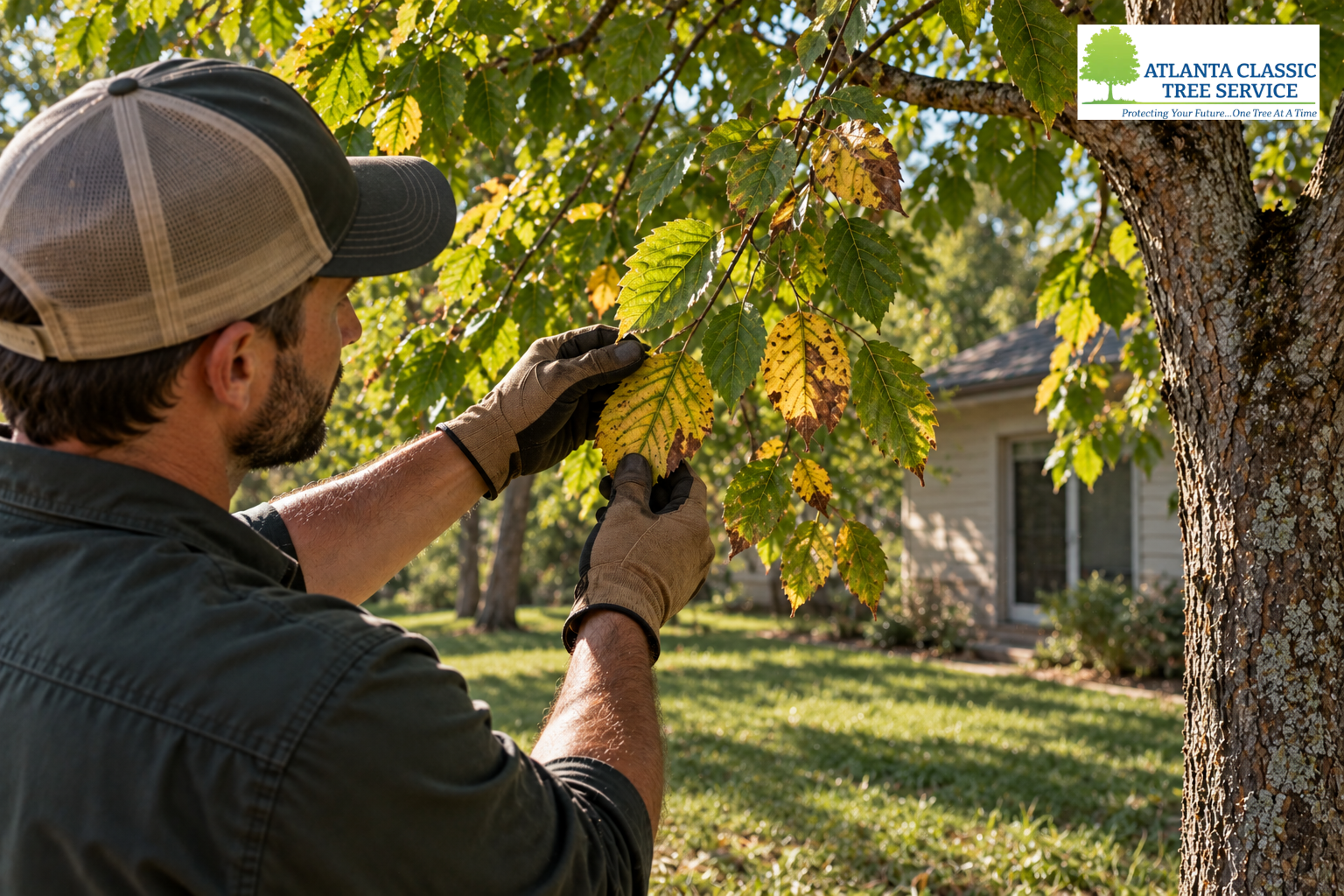
Dead branches can be easy to miss from the ground, but they can be some of the most dangerous parts of a tree. They lose flexibility and become brittle, often failing without much warning. If you notice branches without leaves during the growing season, peeling bark, or limbs that snap easily, a professional assessment is a smart next step.
Removing deadwood isn’t just about looks. It helps reduce the chance of falling debris and can also improve the tree’s overall energy allocation. Taking out dead or dying growth allows the healthier parts to get more resources, instead of wasting energy on declining tissue.
Crossing, rubbing, or crowded branches
When branches grow too close together, they might rub against each other in the wind. That rubbing creates wounds, which can lead to decay, diseases, or further weakening over time. Crowded canopies also block air flow, which can increase the risk of fungal issues and reduce the tree’s ability to dry after rain.
This is where strategic pruning shines. By selectively removing problematic growth, an arborist can help the tree develop better spacing and a more resilient structure. For more on how trained crews handle these decisions, check out our article on how tree pruning encourages healthier growth.
Storm damage and leaning trees
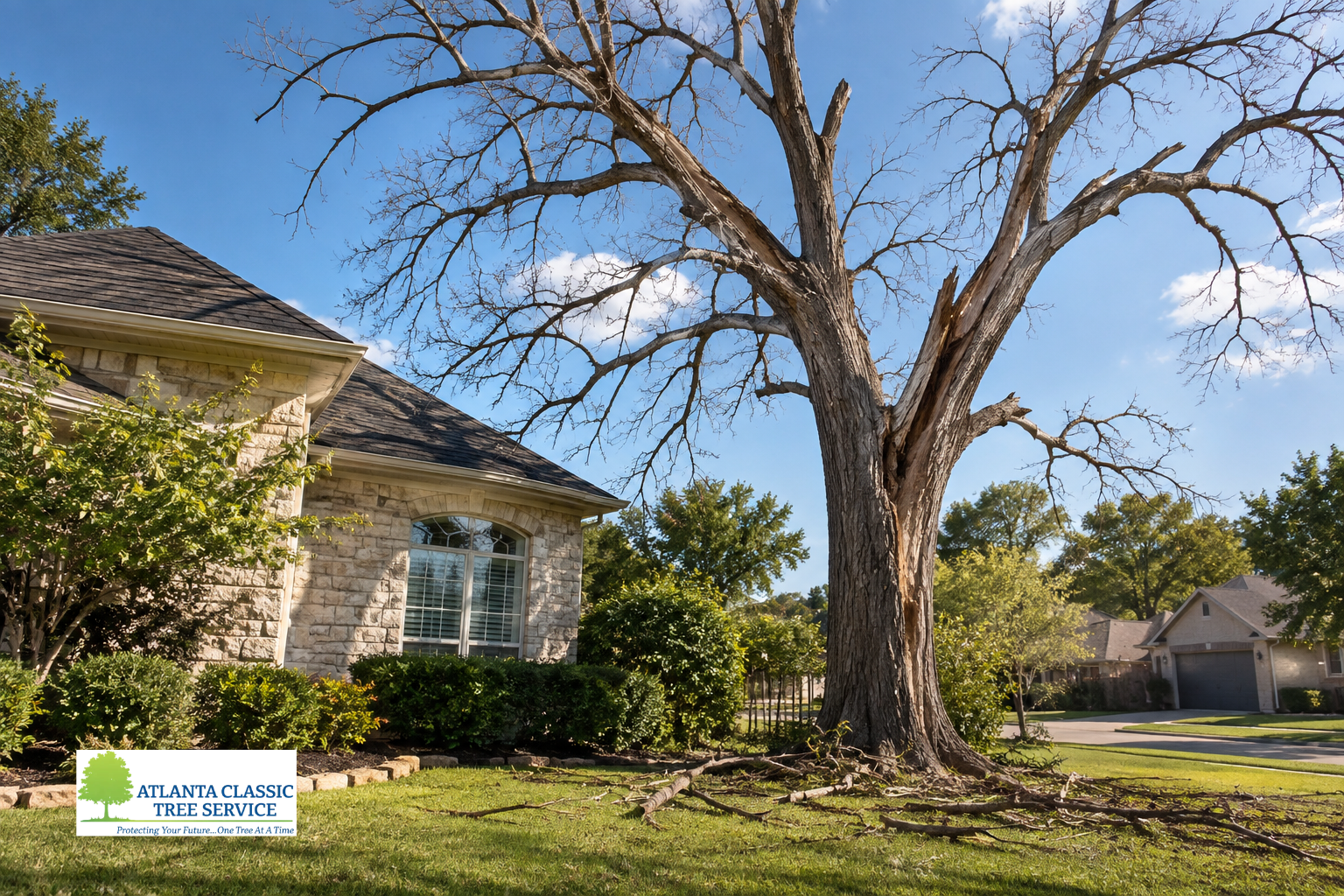
Storms can leave trees with split limbs, torn bark, or unseen structural damage. A tree might look stable from a distance but be compromised internally. Leaning can also be a red flag, especially if the tilt is new or has worsened after heavy rain or strong winds. In these cases, professional evaluation is key because visible damage might only be part of the problem.
According to the National Weather Service, storms can create conditions that make falling limbs and tree failures more likely. Property owners should take those risks seriously, especially when trees are near areas with regular foot traffic or important structures.
What Professional Tree Cutting Really Includes
Inspection and risk assessment
Good tree cutting starts long before the first cut is made. A qualified crew will inspect the tree’s structure, root zone, canopy balance, and surrounding targets. They'll look for decay, insects, weak spots, and stress signs that might affect the best course of action. This assessment determines whether the tree can be preserved, reduced, or must be removed.
At Atlanta Classic Tree Service, this evaluation process is part of delivering practical, safe, and informed care. The right cut depends on species, age, location, and condition, which is why an experienced team is important. A one-size-fits-all approach can leave a tree more vulnerable instead of less.
Precision cutting and cleanup
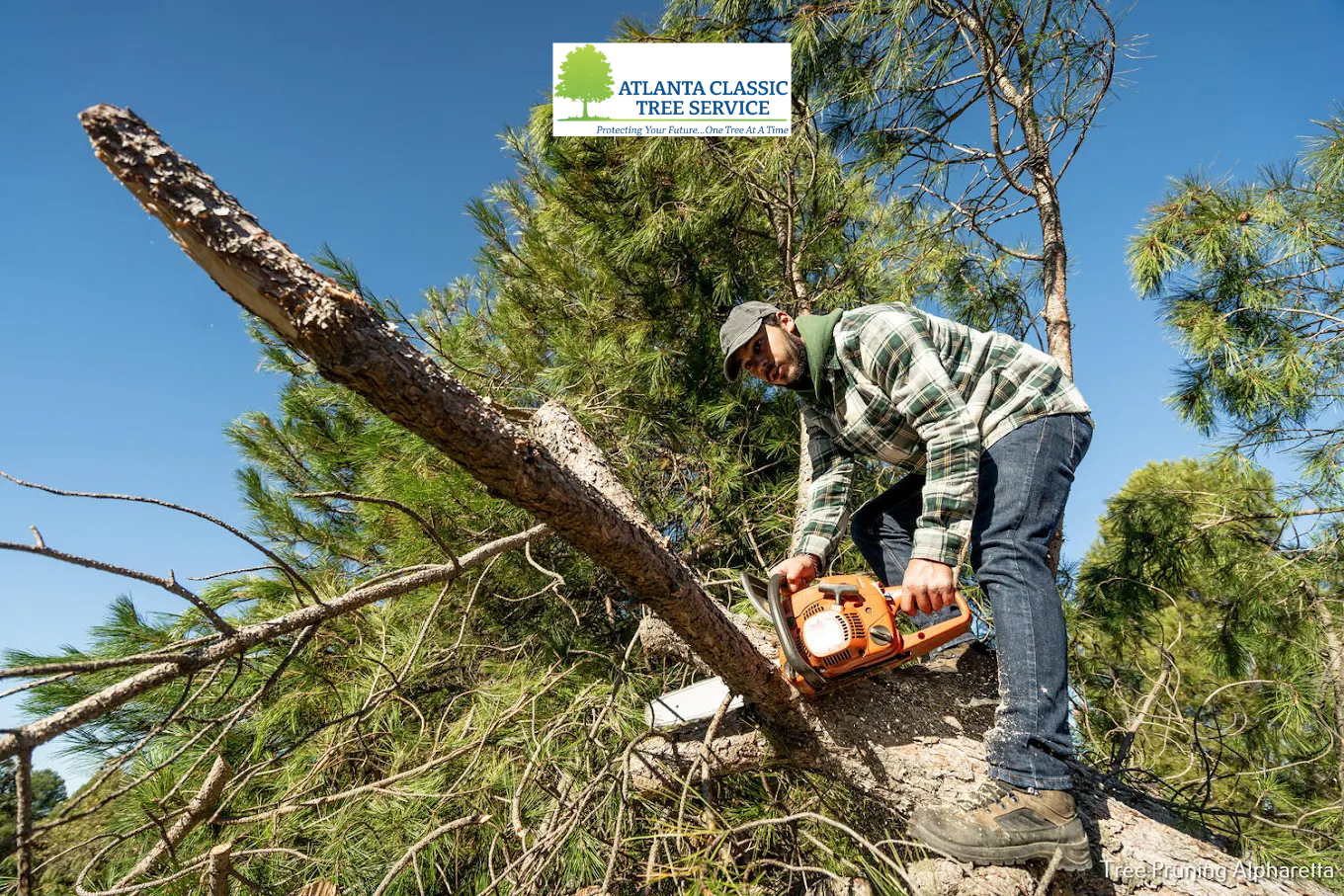
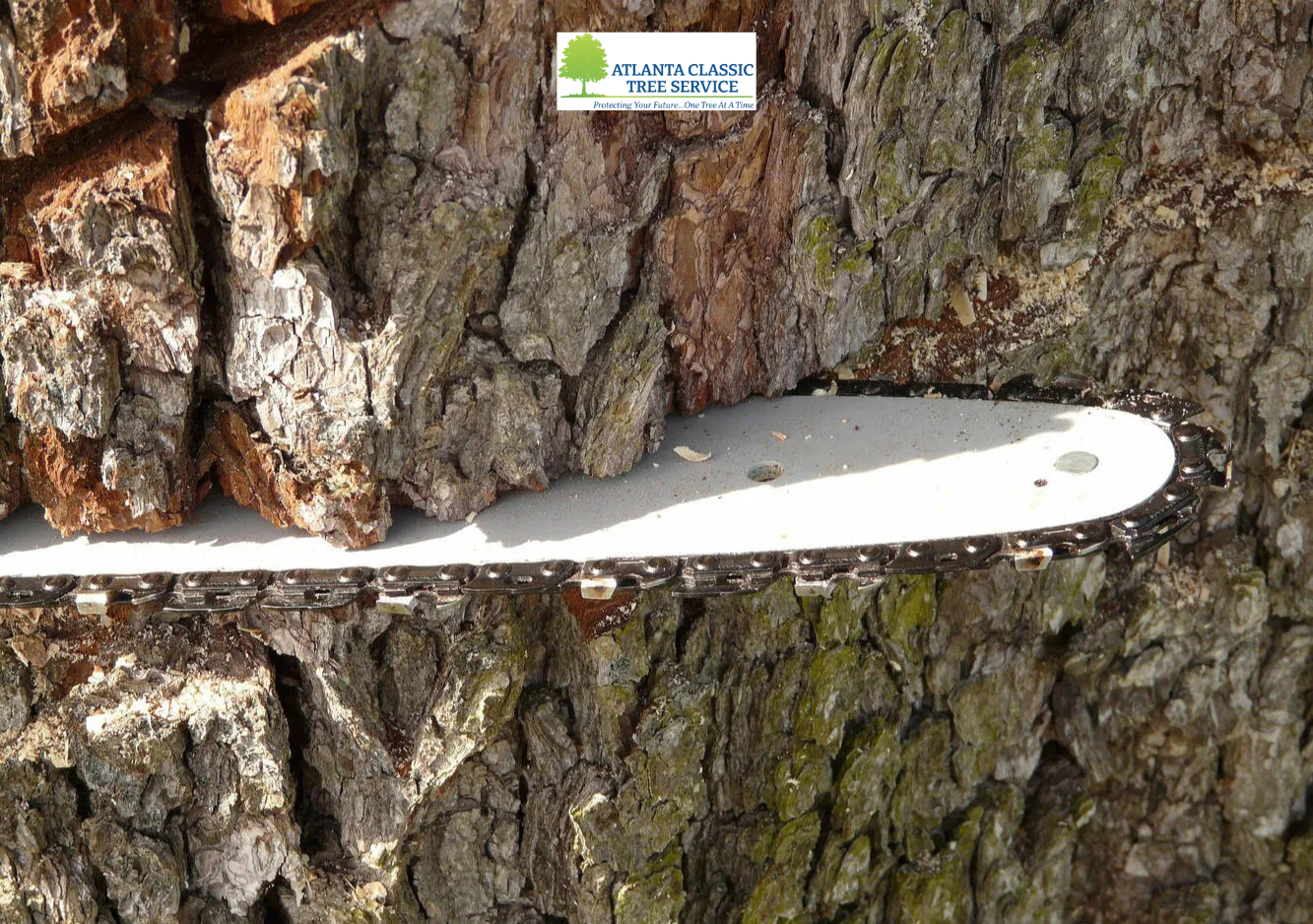
Professional cutting is far more controlled than the average DIY approach. Crews use proper rigging, saws, and safe work practices to remove limbs without causing unnecessary bark stripping or property damage. Each cut should serve a purpose, whether that’s improving clearance, reducing weight, or eliminating damaged sections of the tree.
Cleanup is also part of the service. A well-run project leaves the site safer and more usable than before. Depending on your goals, the work might also be paired with stump grinding to fully restore the space after a removal or with wood shavings delivery if you want a practical ground cover option for landscape areas or erosion control.
Equipment and safety standards
Tree cutting often involves climbing, aerial lifts, chainsaws, ropes, and heavy debris. Safety protocols are crucial. Professional crews follow industry standards, wear protective gear, and use proper procedures to protect people and property. This is one of the biggest differences between hiring a trained company and attempting the work yourself.
The International Society of Arboriculture offers guidance on tree care best practices, while organizations like the Tree Care Industry Association promote safe, professional standards. These resources help establish why certified training and proper equipment are so important in modern tree work.
How Tree Cutting Supports Long-Term Tree Health
Directing growth more efficiently
Not all tree cutting is destructive. When done correctly, it can improve health by reducing excess competition among branches and helping the tree allocate energy more effectively. A well-shaped canopy is often more stable, more attractive, and better equipped to handle wind and weight load over time. That makes professional cutting a maintenance strategy rather than a purely corrective one.
For trees that show weakness but still have good long-term potential, support measures may help preserve them. In those cases, a combination of selective cutting and cabling and bracing may reduce strain on vulnerable limbs while keeping the tree in place.
Reducing disease pressure
Dense canopies can trap moisture and create favorable conditions for fungi and other pathogens. Removing deadwood and thinning problem areas can improve airflow and sunlight exposure, both of which help create a less hospitable environment for disease. In some cases, cutting also removes infected or infested material before it spreads further through the tree or to nearby plantings.
While tree cutting is not a cure-all, it is often one of the most effective ways to slow decline and support recovery. When paired with appropriate fertilization, watering, and monitoring, it becomes part of a more complete tree health plan. For related reading, check out our article on why weak, discolored trees may need nutrient support.
Supporting stronger structure over time
Young and mature trees both benefit from thoughtful structural work. Early shaping can help prevent future defects, while mature tree maintenance can correct imbalances before they create larger risks. This is especially important in landscapes where trees have limited root space, competition from nearby plants, or exposure to repeated storm stress.
A strong structure is one of the best predictors of long-term survivability. That is why professional tree cutting should be viewed as an investment in the future, not just a quick fix for a current problem.
When Tree Cutting Is Better Than Removal
Preserving a healthy tree with localized issues
Not every problem tree needs to come down. If the trunk is sound and the root system is stable, targeted cutting may be enough to resolve the issue. This is often the case when the concern is dead limbs, heavy overgrowth, or poor clearance rather than severe decay or root failure. In those situations, a skilled arborist can recommend the least invasive solution that still meets your safety goals.
This approach protects the canopy, preserves shade, and avoids removing a valuable landscape feature unnecessarily. It can also save money compared with full removal, especially when the work addresses only specific hazards rather than the entire tree.
Understanding when removal is unavoidable
Sometimes cutting is not enough. If a tree has extensive internal decay, significant trunk cracking, or structural failure at the base, removal may be the safest choice. Trees that are already dead or heavily compromised can become unpredictable, particularly during severe weather. In these cases, leaving the tree standing can create more risk than taking it down.
For that reason, homeowners should rely on expert judgment rather than guesswork. A professional can determine whether cutting is a viable solution or whether the tree should be removed before it becomes an emergency. If the answer is removal, it is better to act early than to wait for a storm to make the decision for you.
Balancing cost, risk, and appearance
Many property owners want to preserve trees whenever possible, but they also want a safe and attractive yard. Professional guidance helps balance those priorities. Cutting can often deliver the best combination of lower cost, lower risk, and better appearance when the tree is still structurally sound. Removal becomes the smarter option only when the problem is too advanced for pruning or reduction to solve.
The right decision depends on the tree’s condition, its location, and the consequences of failure. That is why experienced arborists bring real value to the process: they help you avoid both overreacting and underreacting.
What to Expect from a Professional Tree Cutting Visit
Site walk and consultation
A professional visit usually starts with a walkthrough of the property. The crew will discuss your concerns, inspect the tree, and identify targets such as roofs, fences, driveways, sheds, and play areas. They may also note nearby trees that could be affected by the work or that might need attention later. This first step helps define a safe and effective plan.
Clear communication matters here. You should know what is being cut, why it is being cut, and what outcome to expect. A trustworthy company explains the process in plain language and answers questions before any work begins.
Work scheduling and safety preparation
Once the plan is set, the crew schedules the job and prepares the site. That may include positioning equipment, setting drop zones, and identifying any hazards such as power lines or unstable ground. If the property includes water management features, crews may also coordinate around them. For example, trees near drainage areas or basins may need careful planning to avoid disturbing the site, and related maintenance may involve detention and retention pond maintenance if the landscape includes stormwater infrastructure.
Preparation is a major part of safe tree work. When done correctly, it reduces delays, protects the lawn and hardscape, and helps the job move efficiently from start to finish.
Cleanup, debris removal, and next steps
After cutting is complete, the crew should remove debris and leave the site tidy. Depending on the scope, this may include hauling away limbs, chipping brush, or grinding a stump. Some property owners also want guidance on follow-up care, such as watering, fertilizing, or scheduling future pruning to maintain the tree’s shape and stability.
That aftercare matters because tree cutting is not a one-time event in many landscapes. It is part of a larger maintenance cycle that helps property owners preserve beauty and reduce future risk.
Why Experience and Certification Matter
Training leads to better decisions
Tree care is a specialized field, not just a labor task. ISA-certified arborists understand tree biology, structural mechanics, pruning standards, and risk management principles that influence every cut. That expertise helps them choose the right strategy for the tree, rather than simply cutting what is easiest to reach.
Atlanta Classic Tree Service has served the region since 1987, bringing decades of hands-on experience to every project. As a company aligned with TCIA, ISA, and the Georgia Arborist Association, it follows standards that support safety, professionalism, and quality workmanship.
Insurance and accountability
Hiring an insured company adds another layer of protection. Tree work is inherently risky, and responsible contractors carry coverage that helps protect clients and crews. This matters whether the job involves a simple pruning project or a large-scale removal near a structure.
Accountability also shows up in the final result. Professional crews stand behind their work and treat the property with care. That level of responsibility is a key reason many homeowners and businesses prefer experienced arborists over unqualified operators.
Local knowledge improves results
Trees in Metro Atlanta face a mix of heat, storms, compacted soils, and development pressures. Local experience helps crews understand which species are common, which stressors are typical, and how different properties behave across the seasons. That insight leads to better recommendations and more durable results.
If you want a broader look at how seasonal conditions affect tree performance, see how seasonal changes impact tree health. Timing can be just as important as technique when it comes to preserving landscape value.
Frequently Asked Questions About Tree Cutting Services
How often should trees be evaluated?
Most properties benefit from a professional tree inspection at least once a year, and after major storms. Trees near structures, roads, or play areas may need more frequent attention. Regular evaluations help catch small problems before they become expensive or dangerous.
If a tree has a history of failure, visible decline, or past storm damage, more frequent monitoring may be appropriate. The key is not waiting until the tree becomes an emergency.
Will cutting always harm the tree?
No. When done correctly, tree cutting can improve health, safety, and structure. The problem is not cutting itself but careless cutting. Poor technique, over-pruning, or removing too much at once can stress a tree and leave it vulnerable. That is why professional judgment matters so much.
A skilled arborist aims for the minimum necessary intervention to achieve the desired result. That may mean removing deadwood, shortening a hazardous limb, or reshaping the canopy without over-thinning it.
Can I combine services in one visit?
Yes, and that is often a smart choice. Many property owners combine cutting with pruning, stump grinding, fertilization, or structural support to address multiple needs at once. Doing so can reduce repeat disruption and make the overall project more efficient.
Bundling services also helps create a more complete landscape plan. Rather than treating one symptom at a time, you can improve safety, appearance, and long-term tree performance in a coordinated way.
Protect Your Property With the Right Tree Care Partner
Choose prevention over emergency repairs
Tree cutting services are most effective when they are used proactively. Waiting until a branch falls or a tree splits usually means more expense, more stress, and more damage. Preventative care helps you stay ahead of those risks and maintain a cleaner, safer property all year long.
If you already see warning signs, take action now rather than later. The right combination of inspection, cutting, pruning, and support can often preserve a tree while reducing liability and improving curb appeal.
Work with a team that understands the bigger picture
Atlanta Classic Tree Service provides tree care solutions designed to protect landscapes, structures, and the people who use them. Whether you need careful pruning, safe tree removal, stump grinding, or support for a tree with structural weaknesses, professional guidance makes the difference. The goal is not simply to cut trees. It is to create lasting stability and visual balance for your property.
To learn more about our services or request an evaluation, contact Atlanta Classic Tree Service at (770) 497-1941, email info@atlantaclassictree.com, or visit our website at atlantaclassictree.com. If you are ready to improve safety and appearance with expert tree care, our team is here to help you make the next right decision for your landscape.