Trees Looking Weak or Losing Their Color? They Might Be Missing Essential Nutrients
When your trees start looking pale or thin, it’s easy to blame it on a dry spell or changing seasons. But if your trees are losing their vibrant color and growing weak, they might be lacking the nutrients they need. With competition from compacted soil, construction stress, drought, and changing weather, nutrient deficiency is a common issue that often gets overlooked.
Knowing whether it's just a seasonal change or a real nutrient problem helps you protect your trees for the long haul. If you’re seeing declining foliage, weak canopy development, or slow growth, it might be time to dig deeper. Services like targeted fertilization and professional pruning can help trees bounce back, especially when backed by a proper diagnosis and ongoing care.
This guide breaks down common nutrient-related symptoms, why they happen, how to tell them apart from diseases or pests, and what practical steps you can take to help your trees regain strength. You'll also find out when it makes sense to call in a pro and why proactive tree care is a smart investment for your property.
For broader context on plant nutrition and soil health, check out resources from trusted organizations like the University of Georgia Extension and the U.S. Forest Service.
Why Trees Lose Color and Strength
How nutrients support healthy growth
Trees need a balanced supply of nutrients to produce chlorophyll, build strong cells, and support new leaves and branches. If they’re missing key elements like nitrogen, iron, magnesium, or potassium, they won't function their. The leaves are usually the first place you'll notice changes.
Healthy trees have vibrant leaves, steady growth, and canopies that fill in nicely. When nutrient uptake is limited, trees might thin out, turn lighter green or yellow, or grow smaller leaves. Over time, this reduces energy production and makes trees more vulnerable to heat, insects, and disease.
Soil problems often create the real issue
Nutrient deficiency doesn’t always mean the soil completely lacks nutrients. Sometimes the roots just can’t access what's there. Compacted soil, poor drainage, root disturbance, and pH imbalance can block uptake. That’s why a tree might look weak even if the lawn around it seems fine.
In urban and suburban areas, soil conditions can be particularly tough. Construction can strip away topsoil or compact the ground so much that roots struggle to breathe. Even in a fertilized yard, trees can still be stressed. That’s why a professional assessment can be more useful than guessing based on symptoms.
Stress makes nutrient issues worse
Drought, extreme heat, storm damage, and root injury all force trees to use energy for survival instead of growth. If nutrient uptake is already limited, these stressors can push trees further into decline. The result? Weaker trees season after season, even if the problem seems minor at first.
Often, a tree that looks “just tired” is actually signaling that its roots, soil environment, or nutrient supply needs attention. Addressing the root cause early makes treatment more effective and can prevent bigger problems later on.
Common Signs of Nutrient Deficiency in Trees
Yellowing leaves and pale foliage
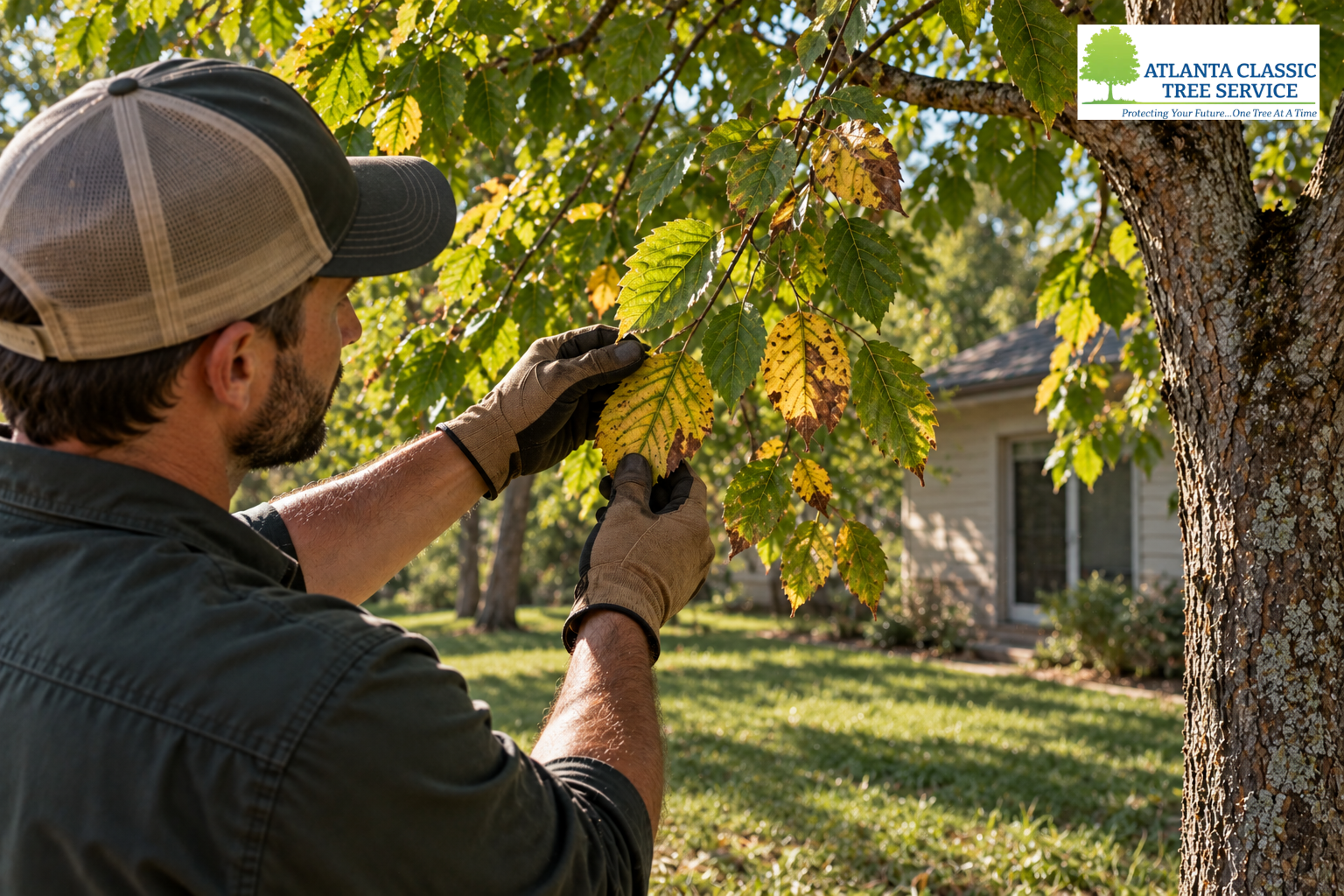
Yellow leaves, known as chlorosis, are a common sign of nutrient deficiency. This usually starts with leaves that should be deep green but turn light green, yellow, or faded. Depending on the missing nutrient, the pattern could show on older leaves, newer leaves, or throughout the entire canopy.
For instance, nitrogen deficiency often appears as overall pale foliage and reduced growth, while iron deficiency might cause yellowing between leaf veins while the veins remain green. Because these symptoms can also indicate other problems, it’s important not to rely solely on color when diagnosing tree health issues.
Small leaves, thin canopy, and weak shoot growth
When trees don’t get enough nutrients, they may grow fewer or smaller leaves than usual. Branch extension slows down, new shoots are shorter, and the canopy might look sparse. This thinning can be more noticeable compared to nearby trees of the same species that are growing normally.
A weak canopy isn’t just a cosmetic issue. Reduced leaf mass means less photosynthesis, which means even less energy for the tree to recover. Over time, the tree becomes more vulnerable unless the underlying issue is fixed.
Early leaf drop and seasonal decline
Premature leaf drop can happen when a tree is stressed and can’t maintain its foliage through the season. It might look like an early fall response, but if it happens during the growing season, it could point to a nutrient issue or another stressor. Sometimes, the tree sheds leaves to conserve resources.
Since early leaf drop can also be triggered by pests, disease, or root damage, it’s best to evaluate the full pattern of symptoms. If the decline is spreading from one side of the canopy or affecting several nearby trees, that could provide useful clues about the cause.
Dead tips, weak branches, and poor structure
Branches that die back from the tips or show limited growth can indicate that the tree is struggling. Nutrient shortages can reduce root vigor, which limits the tree’s ability to feed the upper canopy. Sometimes, this issue becomes noticeable as brittle twigs, sparse leafing, or an unbalanced canopy.
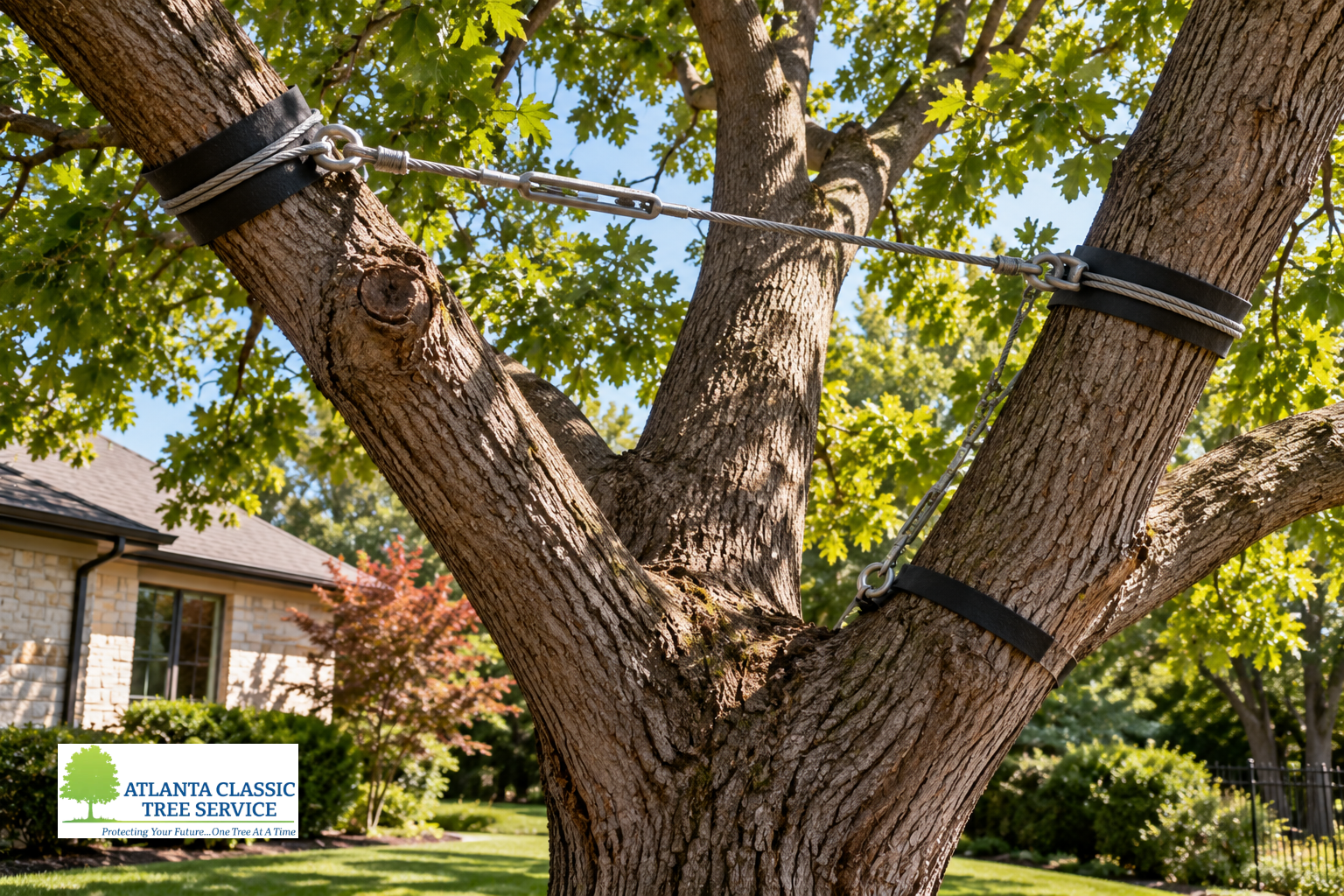
When structural weakness appears alongside color loss, it might be time to consider additional support or selective correction. Depending on the tree, services like cabling and bracing might help reduce risk while the tree is evaluated and treated.
What Causes Nutrient Deficiencies in the First Place
Compacted or damaged soil
Roots need oxygen, water, and access to nutrients. Compacted soil limits all three. When foot traffic, construction equipment, or repeated pressure compresses the ground, roots can’t grow outward and absorb enough resources. Even mature trees can decline slowly when their root zone is restricted.
Compaction is common in developed areas, especially near driveways, patios, and high-traffic spaces. A tree might be standing, but it won’t thrive if the root system isn’t functioning properly.
Incorrect soil pH
Even when nutrients are present, the tree might not be able to use them if the soil pH is off. Certain nutrients become “locked up” in the soil outside the ideal range for that species. This is especially important for iron and manganese, often involved in chlorosis symptoms.
Testing the soil pH can reveal why a tree shows symptoms despite regular watering or lawn care. Without that info, homeowners might waste time applying products that don’t solve the actual problem.
Construction and root disturbance
Tree roots are often shallower and more spread out than expected. Digging, trenching, grading, or placing heavy materials near a tree can damage a significant portion of the root system. When roots are cut or buried, nutrient and water uptake drops quickly.
This is especially important when a property has recently changed, like after hardscape installation, drainage work, or landscaping upgrades. A tree that seemed healthy before might start declining months later because its underground support system was altered.
Weather extremes and environmental stress
Long periods of drought, excessive rain, and sudden temperature swings can all affect nutrient availability. Drought limits the movement of nutrients through the soil, while waterlogged soil can suffocate roots and reduce uptake. Over time, these conditions weaken the tree’s reserves.
To better understand how environmental stress affects trees over the year, the seasonal patterns described in how seasonal changes impact tree health can be helpful. Trees often struggle in ways that are easy to miss until the damage is advanced.
How Professionals Diagnose the Real Problem
Visual inspection is only the first step
A careful visual inspection can reveal important clues, but it rarely tells the whole story. Arborists look at leaf color, growth rate, branch structure, trunk condition, root flare visibility, soil conditions, and the distribution of symptoms in the canopy. They also consider whether the issue is isolated or widespread.
That broader view matters because nutrient deficiency can mimic disease or pest damage. A tree that looks weak may actually be suffering from root problems, fungal stress, or an ongoing drainage issue. Accurate diagnosis helps avoid treatments that miss the real cause.
Soil testing and nutrient analysis
Soil testing can identify pH problems and reveal whether key nutrients are present in sufficient quantities. In some cases, tissue testing may also be recommended to see what the tree is actually taking in. This can be especially helpful when the symptoms are subtle or the tree is a high-value landscape specimen.
For technical guidance on tree health and nutrient management, the International Society of Arboriculture offers professional standards and education that support accurate, science-based decisions. Good tree care starts with good information, not assumptions.
Root zone evaluation
Because many nutrient problems begin below the surface, arborists may inspect the root zone for compaction, girdling roots, grade changes, or drainage issues. If roots are buried too deeply or starved of oxygen, the tree can decline even when the canopy still has some green growth left. Root zone problems are often the missing piece in a diagnosis.
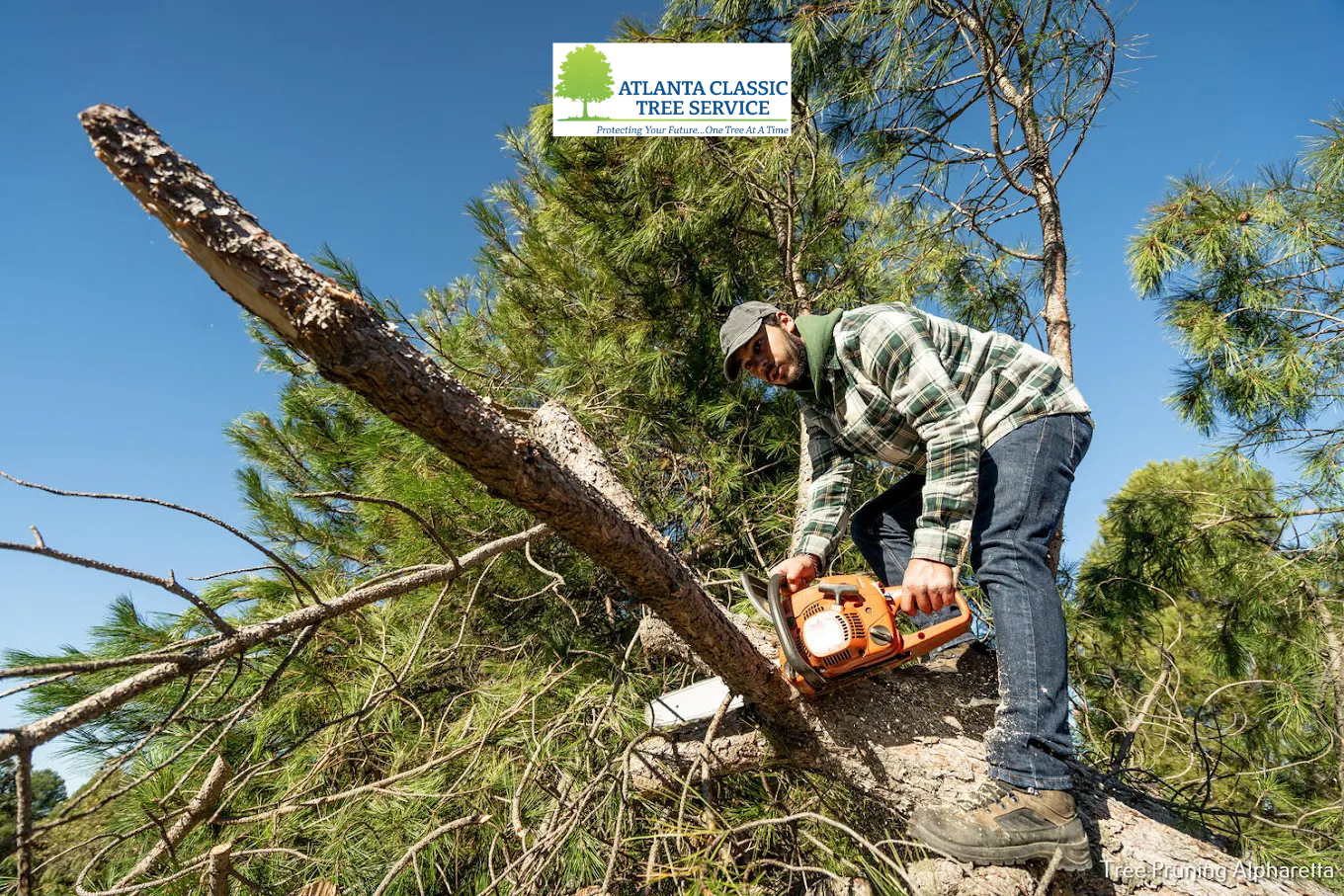
In some situations, the tree may also need additional structural support while the underlying issue is corrected. Preventive planning, including tree removal when decline is severe and irreversible, can protect nearby structures and people if the tree is no longer stable.
How Fertilization Helps Trees Recover
Why deep-root fertilization is different
Not all fertilizer applications are equally effective for trees. Surface lawn fertilizer is designed primarily for turf and may not reach the deeper root zones where trees absorb much of their nutrition. Deep-root fertilization is designed to place nutrients where tree roots can actually use them more efficiently.
This approach can be especially helpful when trees are stressed by compacted soil or are growing in landscapes with limited root space. In the right situation, a targeted feeding plan can support recovery, improve foliage color, and help the tree regain vigor over time.
Benefits of a customized nutrient plan
Every tree species has slightly different nutrient needs, and every property has different soil conditions. A customized fertilization plan takes those differences into account. Rather than using a one-size-fits-all product, the goal is to supply the right nutrients at the right time.
That may include a balanced fertilizer, soil amendments, or an integrated care plan that also addresses pruning, watering, and soil health. If the canopy is already crowded or damaged, pruning services may be recommended so the tree can direct its energy more effectively.
When fertilization is not enough on its own
Fertilization can support recovery, but it cannot solve every issue. If a tree has extensive root loss, severe disease, or major structural failure, nutrients alone will not restore it to safety. In those cases, the treatment plan has to be realistic about what the tree can still support.
That is why professional recommendations often combine nutrient management with risk reduction, monitoring, and sometimes removal. A balanced strategy is usually better than trying to “feed” a tree that is already beyond recovery.
How to Help a Stressed Tree at Home
Water deeply and consistently
One of the simplest ways to support a stressed tree is by watering it properly. Deep watering encourages roots to grow downward and helps nutrients move through the soil. Shallow, frequent watering is less helpful because it keeps roots near the surface and can worsen stress during hot weather.
Tree owners should aim for slow, thorough watering that reaches the root zone without flooding the area. The exact schedule depends on soil type, species, and weather conditions, but consistency is far more valuable than occasional heavy watering.
Protect the root zone
Mulch, soil protection, and reduced foot traffic can all help preserve root health. A mulch ring can moderate temperature, retain moisture, and reduce competition from grass. However, mulch should be applied correctly and kept away from the trunk to avoid moisture-related problems.
Protecting roots is especially important for trees near driveways, play areas, or construction zones. Even routine activity can gradually compact soil and make nutrient uptake more difficult. The healthier the root zone, the better the tree can respond to treatment.
Watch for patterns, not just isolated symptoms
It is useful to observe whether symptoms are appearing on one branch, one side of the tree, or throughout the canopy. Localized symptoms may point to physical injury or pest pressure, while general decline often suggests a systemic issue such as nutrition or soil stress. Careful observation helps professionals make faster, more accurate recommendations.
If you notice that the same issue is spreading across multiple trees, it may point to a larger landscape problem rather than a single tree failure. That is the time to seek a broader property assessment rather than treating each tree independently.
When You Should Call an Arborist
Symptoms keep getting worse
If the tree continues to lose color, shed leaves early, or produce weaker growth each season, it is time to involve a professional. Decline that keeps progressing usually means the underlying issue has not been addressed. Early intervention is almost always less expensive and more effective than waiting for the tree to reach advanced decline.
A certified arborist can help determine whether the tree is suffering from nutrition problems, root issues, pests, disease, or structural instability. That diagnosis guides the next step, whether it is treatment, monitoring, or removal.
The tree is valuable or high-risk
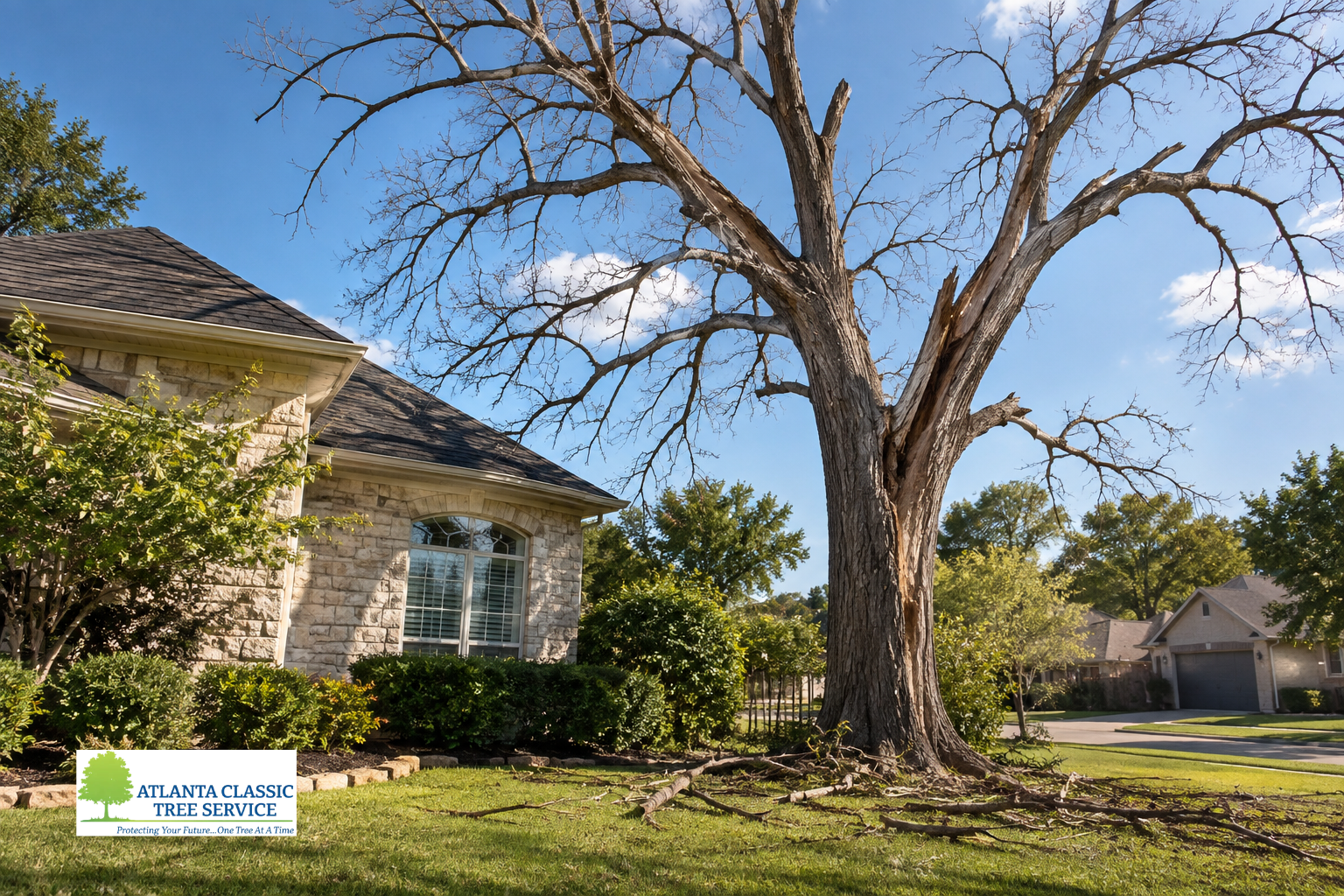
Some trees are worth special attention because of their location, age, or landscape value. Mature shade trees, heritage specimens, and trees close to structures deserve a more careful evaluation. If a valuable tree has weak limbs or a split trunk, support systems may be considered along with a nutrient recovery plan.
For trees with major defects, it is sometimes safer to combine treatment with structural recommendations from a professional team. In some situations, lightning protection can also be part of the long-term preservation strategy for especially tall or historic trees. Learn more about lightning protection if your tree is exposed and especially important to your property.
You want a long-term solution, not a guess
Home remedies and random fertilizer products can create more confusion than improvement. A professional evaluation provides a clearer path forward and helps you avoid wasting money on ineffective treatments. That is especially important when multiple stress factors are involved.
For property owners seeking reliable service, Atlanta Classic Tree Service offers experienced tree health support across the metro area, including fertilization services tailored to the needs of the landscape. You can also review our related guidance in how tree pruning encourages healthier growth to see how different care practices work together.
Frequently Asked Questions About Tree Nutrient Problems
Can yellow leaves always mean a nutrient deficiency?
No, yellow leaves do not always mean the tree lacks nutrients. Yellowing can also result from overwatering, pests, disease, root damage, or seasonal stress. The pattern of yellowing and the overall health of the tree matter just as much as the color itself.
How long does it take for a tree to respond to fertilization?
Response time varies depending on species, soil condition, weather, and the severity of the deficiency. Some trees improve in visible ways within one season, while others need a longer recovery period. In many cases, the goal is gradual improvement rather than immediate transformation.
Should I fertilize every tree in my yard?
Not necessarily. Fertilizing without a diagnosis can do more harm than good, especially if the problem is drainage, compaction, or pH imbalance. A targeted plan is more effective than routine blanket application.
Can a tree recover from years of decline?
Sometimes, yes, but it depends on how much damage has already occurred. If the trunk, major roots, or structural framework are too compromised, recovery may not be realistic. That is why regular evaluations are so important before decline becomes severe.
Conclusion: Healthy Color Starts Below the Surface
When trees begin to lose their color or look weaker than usual, the visible symptoms are often only the final sign of a deeper problem. Nutrient deficiency, poor soil conditions, compacted roots, and environmental stress can all contribute to the decline. The good news is that early diagnosis and thoughtful care can make a real difference.
If your trees are looking pale, thin, or less vigorous than they should, do not wait until the problem becomes obvious to everyone else. Start by observing the symptoms carefully, improving watering habits, and considering a professional evaluation. In many cases, a combination of diagnosis, targeted fertilization, and preventive care can restore strength and improve long-term tree health.
For trees that need more than basic care, Atlanta Classic Tree Service is here to help with knowledgeable recommendations, practical solutions, and a commitment to protecting your landscape. If you are ready to take the next step, contact our team to schedule an assessment and get a plan tailored to your trees’ needs.
Call today to protect your trees before small symptoms turn into major problems.