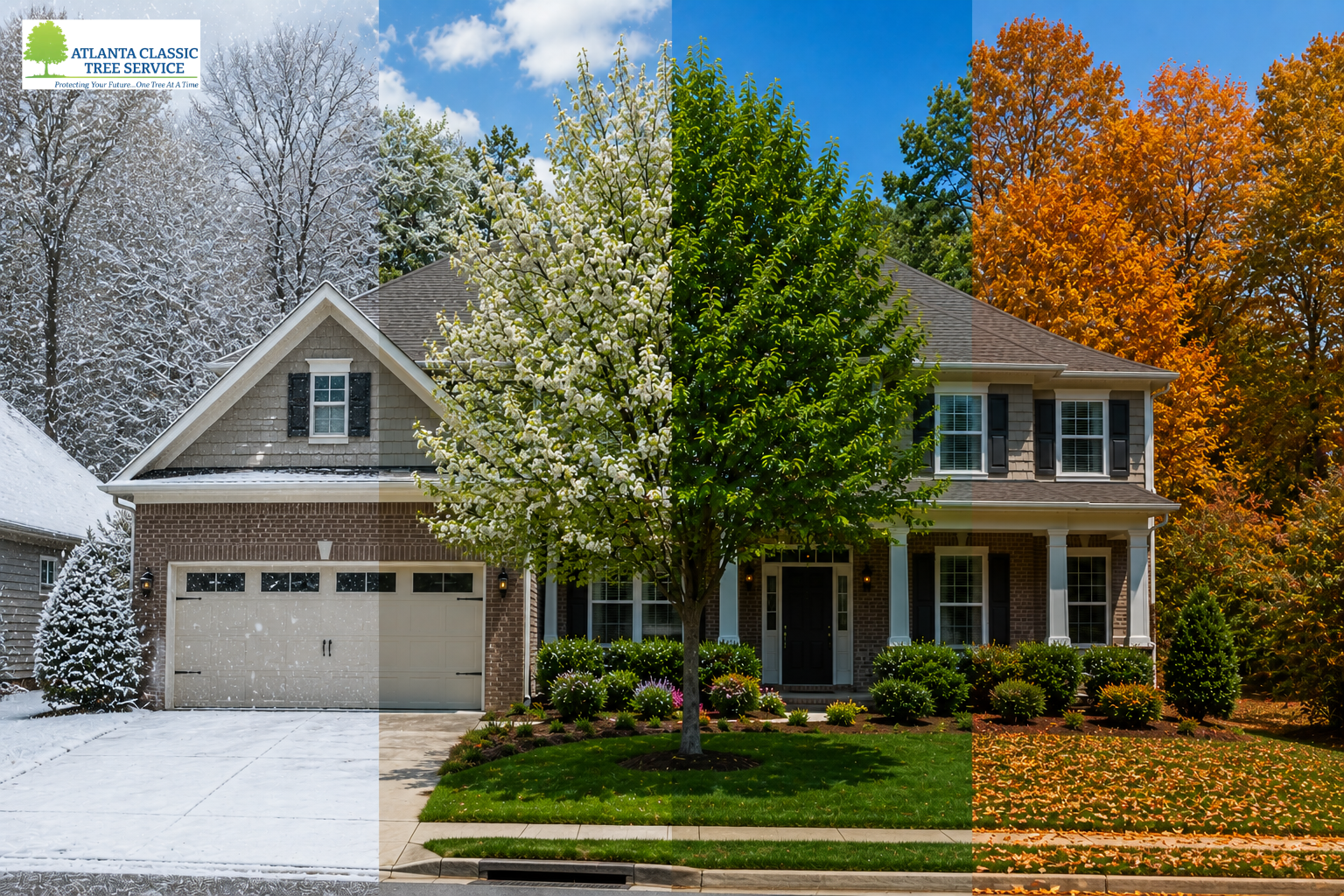
Trees don't just grow in a straight line through the seasons. They react to shifts in temperature, rainfall, daylight, and even storms, which can all impact their health and lifespan. For those who want their yards to thrive with fewer surprises, understanding how seasonal changes stress trees is key. Need some help taking action? Services like tree pruning and fertilization can make a big difference throughout the year.
In a humid subtropical climate like Alpharetta, trees can face spring storms, summer droughts, pest invasions, and winter freeze all in one year. Research shows climate shifts are altering tree behaviors, such as earlier pollen releases and changes in growth patterns. A study from the National Library of Medicine found oak and juniper pollen seasons in Atlanta are starting earlier, showing how seasonal changes measurably impact trees: PMCID: PMC9936553.
This guide covers how each season affects tree health, what signs to look for, and how a proactive maintenance plan can keep trees resilient. We'll also discuss how professional services like cabling and bracing and tree removal fit into a year-round strategy when trees become unsafe.
Why Seasonal Changes Matter for Tree Health
Weather Patterns and Tree Phenology
Tree phenology is all about timing when buds break, flowers bloom, leaves expand, and trees go dormant. These events depend on temperature and daylight, so even small climate changes can shift a tree’s schedule. If trees wake up or shut down at the wrong time, they're more vulnerable to frost, insects, or drought.
In ideal conditions, seasonal timing helps trees conserve energy and grow stronger. But irregular seasons can force trees to use stored energy early or repair frost damage, leading to weaker growth and higher disease risk.
Temperature and Rainfall Stress
Seasonal temperature swings affect how trees transport water and nutrients. Hotter summers increase water loss, making roots work harder to keep the tree hydrated. On the other hand, sudden winter freezes can damage tree cells, especially if a mild period tricks the tree into early action.
Rainfall is just as crucial. Too much rain can suffocate roots, while too little can lead to drought stress. Both scenarios weaken the tree, inviting pests and fungi. That's why maintaining healthy roots and soil with tree fertilization is often more effective than waiting for visible problems.
Climate Changes and Tree Risks
Reports from France have highlighted a rise in tree mortality since 2015 due to disrupted seasonal patterns. This includes warmer winters and summers stressing trees and inviting pests and fungi. While the region differs, the lesson is universal: Unstable seasons can put long-term pressure on trees everywhere: Le Monde report on tree mortality.
Spring: Growth, Pollen, and Storm Recovery
Energy Demands of New Growth
Spring is when trees transition from dormancy to active growth, making it one of the most energy-intensive times. Trees need enough soil moisture and nutrients for this growth, which is why spring check-ups are helpful.
If a tree is weakened by winter injury or compacted soil, it might struggle with full foliage. Sparse leaves or delayed bud break suggest stress. Professional pruning in the right season can help remove dead wood, improve airflow, and encourage healthier growth.
Pollen Trends and Seasonal Timing
Spring pollen isn't just a nuisance for allergy sufferers; it also indicates earlier seasonal changes in tree biology. Studies in Atlanta show earlier pollen seasons for trees like oak and juniper, suggesting trees are reacting to environmental shifts: National Library of Medicine article on pollen trends.
Earlier pollen seasons remind tree owners to inspect canopies before major growth. Damaged flowers, twigs, or leaves may need an arborist's evaluation, especially for valuable ornamentals or mature trees.
Storm Damage in Spring
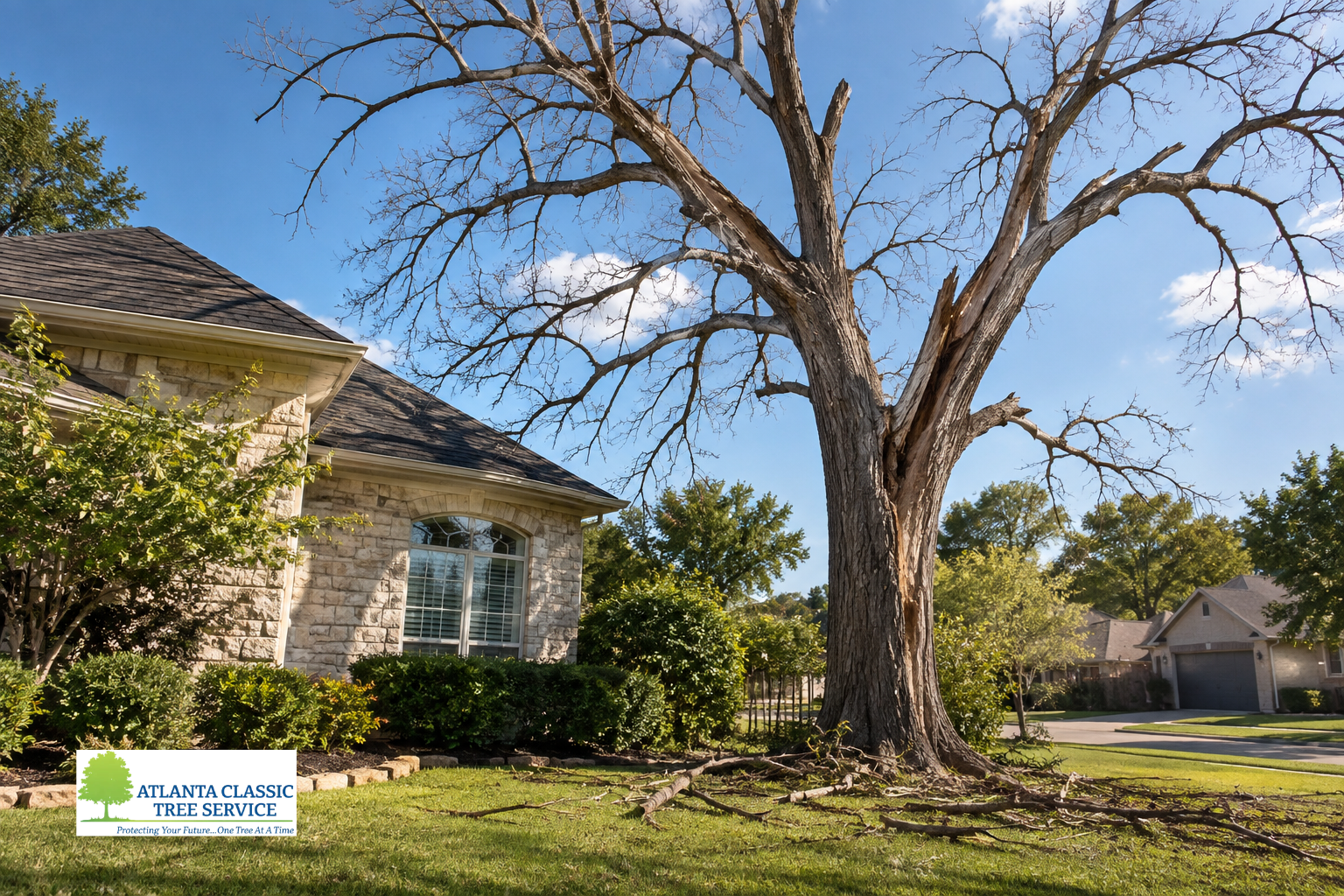
Georgia's spring often brings thunderstorms and high winds. Trees that seem fine can still have cracked limbs or root disturbances after severe weather. Damage isn't always visible right away; some issues surface later.
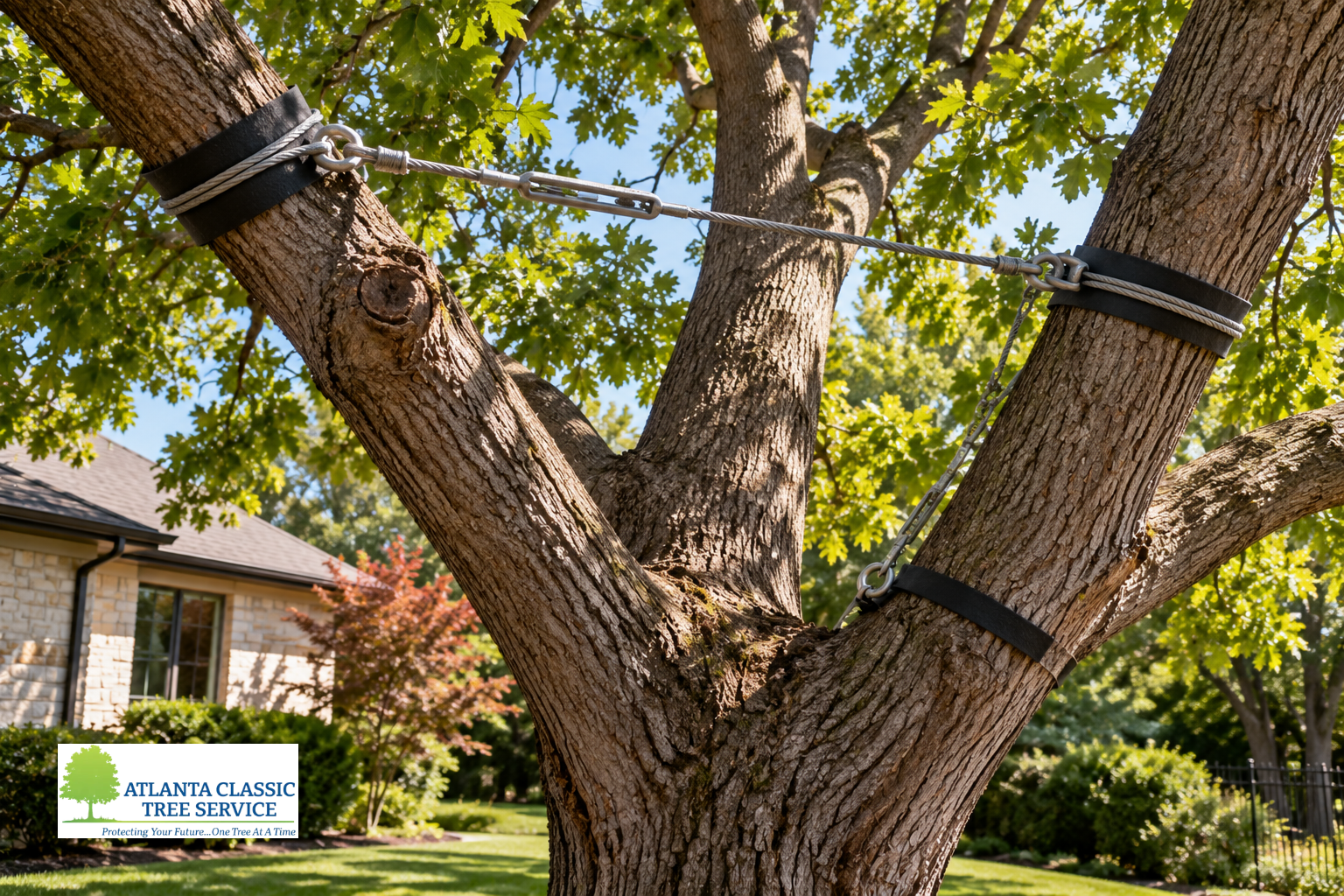
That's why post-storm inspections are vital. If a tree has heavy limbs or visible cracks, cabling and bracing can reduce failure risk. For tall trees, lightning protection is worth considering, especially near homes or public areas.
Summer Stress: Heat, Drought, and Pests
Heat and Water Demand
Summer heat poses a challenge by increasing water loss through leaves. Even deep-rooted trees can struggle during heat waves combined with low rain or compacted soil. Symptoms include curled leaves, premature color changes, or midday wilting.
Tree owners often underestimate how much water mature trees need during hot spells. Deep, slow watering is more effective than light sprinkling because it encourages roots to grow downward. A mulch ring helps regulate soil temperature and retain moisture, but keep it away from the trunk to prevent rot.
Drought Stress and Pest Invasions
During droughts, trees produce less defensive chemistry, becoming more attractive to pests like borers and beetles. A tree that seemed stable in spring might thin out in midsummer as pests exploit weakened tissue.
Ongoing monitoring is crucial. If trees show signs of heat-related decline, a seasonal care plan with watering guidance and soil improvement can help. In serious cases, hazardous trees near structures may need attention before they fall.
Urban Trees and Heat Stress
Urban trees face more heat stress than woodland trees due to pavement and reflected sunlight. Dense developments limit roots' access to oxygen and moisture, making regular assessments essential.
For properties with multiple trees or large areas, combining pruning with canopy reduction can improve airflow and reduce stress. In some cases, adding nutrients through fertilization helps trees recover after harsh summers.
Fall: Recovery and Preparation
Leaf Drop as a Transition
Fall is when trees store energy for the next year, shedding leaves to conserve resources. The timing and quality of leaf drop can reveal tree health.
Premature leaf loss or sparse canopies might indicate disease or summer stress. A healthy canopy should transition predictably, not collapse suddenly. Monitoring trees now can spot issues before winter.
Fall Inspections and Maintenance
Growth slows in fall, making it a good time for structural review and maintenance. With leaves gone, it's easier to spot dead branches or weak points.
Trees with poor structure may benefit from pruning to remove competing limbs. Those with trunk splits may need cabling and bracing. If removal is needed, stump grinding can restore usable space.
Planning for the Year Ahead
Fall isn't just for cleanup; it's also about strategy. Trees that struggled in summer may need soil improvement or disease monitoring before spring.
Planning now can avoid emergency work later, especially in areas where winter freezes are unpredictable. Even mild zones can see high temperature drops harming stressed trees.
Winter: Dormancy and Risk
Dormancy as Protection
Winter dormancy helps trees conserve energy, but it doesn't make them invincible. Branches can crack under ice, bark can split, and roots can suffer if soil stays too wet.
In milder climates, premature dehardening is a risk. If warm winter weather activates a tree, a sudden freeze can damage buds and tissues. These injuries may not show until spring.
Winter Storms and Breakage Risk
Wet snow, sleet, wind, and ice can overload branches. Trees with weak unions or unbalanced crowns are especially vulnerable.
Winter assessments should focus on structure. If defects are known, proactive intervention before storms can help. Sometimes, cabling and bracing can support vulnerable limbs.
Decline Revealed in Winter
Winter can reveal hidden issues. Dead tips, cankers, and bark separation are more visible without leaves, making risk assessment easier.
Review past performance too. Trees that struggle annually may have chronic root issues needing more than just pruning. A professional can advise on intervention or replacement.
Spotting Seasonal Stress Early
Visible Warning Signs
Seasonal stress often shows before major decline. Watch for premature leaf drop, scorched leaves, slowed growth, sparse foliage, fungal growth, cracked bark, and dead twigs. These might appear after harsh weather conditions.
One symptom alone doesn't mean danger, but multiple signs together warrant professional evaluation. Early identification makes it easier to correct with pruning or soil care.
Root Zone Issues
Many tree issues start below ground. Compacted soil, construction damage, poor drainage, and root disease can all create above-ground symptoms. If trees struggle at the same time annually, the root zone may be the real problem.
Healthy roots need oxygen, moisture, and space to expand. In urban settings, root space is limited, needing extra attention from an arborist.
When to Call a Pro
If a tree leans suddenly, has a split trunk, large dead limbs, or decay, don't wait for the next storm. Professional assessment can decide if the tree should be stabilized, pruned, or removed. For more on spotting unsafe trees, check out our guide on unsafe trees.
Year-Round Tree Care Tips
Seasonal Maintenance Calendar
A yearly schedule protects trees from weather stress. Spring is for inspection and pruning, summer focuses on watering and pest monitoring, fall is for structural review, and winter helps with risk evaluation.
This approach prevents reactive care. Rather than waiting for a branch to break, address small issues before they become bigger problems.
Soil Health and Root Support
Tree health relies on the root zone. Soil testing, proper watering, mulch placement, and fertilization improve resilience during stressful seasons. If trees underperform, a fertilization program might restore balance by addressing nutrient deficiencies.
For properties with moisture issues, drainage solutions and pond maintenance help. Poor runoff control can saturate roots, creating stress after rain. In larger areas, routine pond maintenance supports better drainage.
Choosing the Right Service
Not every problem needs the same solution. Some trees need pruning, others need support, and some require soil improvement. Matching the service to the problem yields better results.
Work with an experienced team that understands local weather and tree species. A knowledgeable arborist can explain which issues are seasonal, stress-related, or need immediate attention.
Local Expertise Benefits Alpharetta Owners
Climate Knowledge Aids Decisions
In Alpharetta, trees face humid summers, sudden storms, and occasional freezes. Local expertise is crucial because care plans that work elsewhere might not suit local conditions.
Urban canopies help with stormwater management and property performance. A study by the Green Infrastructure Center on Alpharetta highlighted the value of healthy trees: Green Infrastructure Center study.
Professional Care Ensures Safety
Since 1987, Atlanta Classic Tree Service has focused on safety and long-term tree health. As an ISA- and TCIA-affiliated company, we understand how seasons affect trees. This is crucial when a tree is valuable but stressed, or when long-term planning is needed.
Regular inspections, pruning, and storm prep help keep landscapes healthy. If you're building a seasonal care plan, our team can help evaluate risk and decide on the best next steps.
FAQs About Seasonal Tree Health
What Is the Biggest Seasonal Threat?
No single threat affects every tree the same way, but sudden weather extremes are often most damaging. Late frosts, summer drought, heavy storms, and ice events can weaken trees over time.
How Often Should Trees Be Inspected?
Most properties benefit from at least one annual inspection, with extra checks after storms or unusual weather. Mature or high-risk trees near structures may need more frequent reviews.
Can Seasonal Stress Be Reversed?
Some seasonal stress can be reduced if caught early with watering, pruning, fertilization, or soil care. However, repeated stress over years might cause irreversible decline, especially if roots are compromised.
When Should a Tree Be Removed?
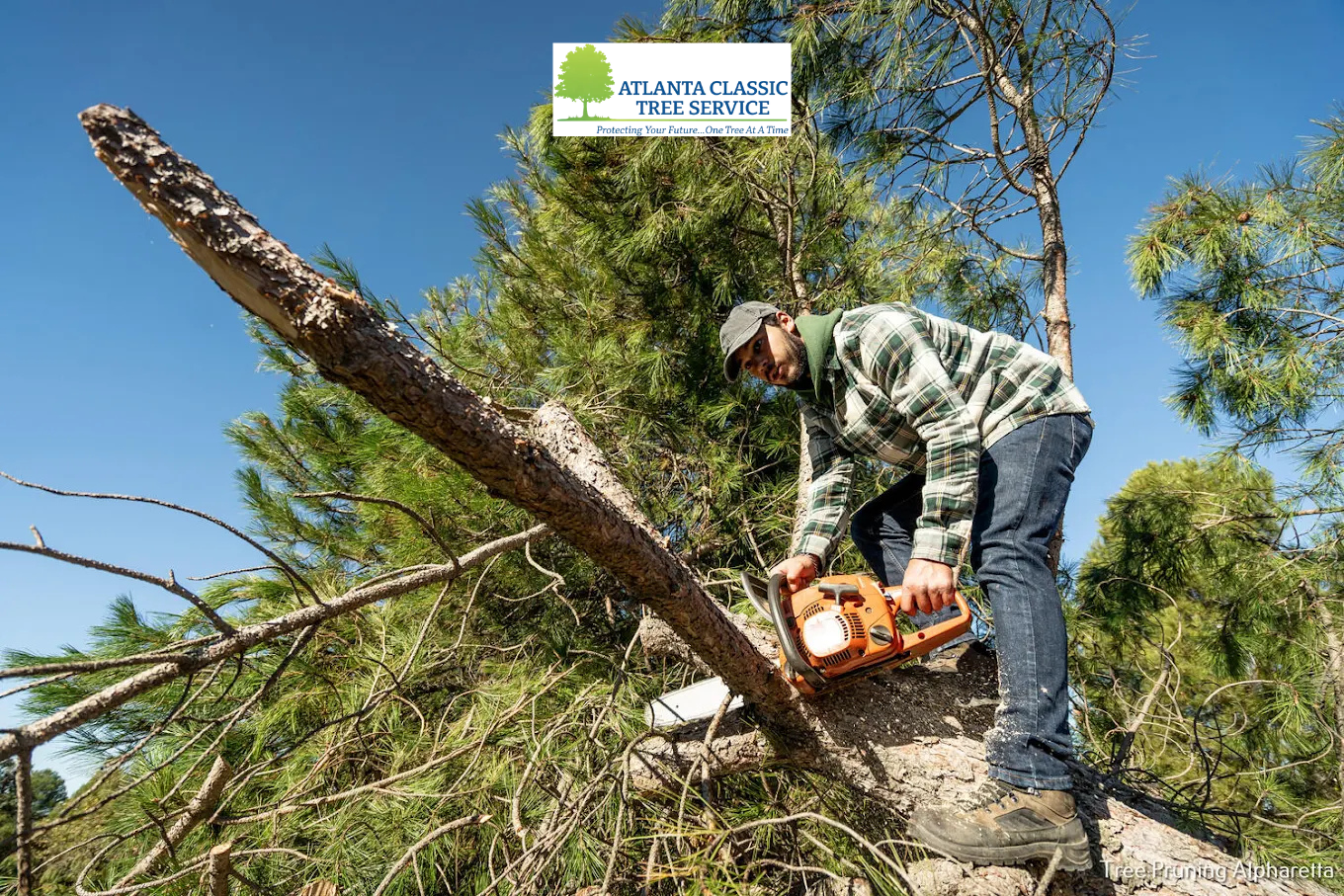
Removal is necessary when a tree is too damaged, unstable, or diseased to recover. If it threatens a home, driveway, or public area, professional removal is often safest.
Final Thoughts on Protecting Trees
Seasonal changes are normal, but they can cause trees to decline. Spring growth, summer heat, fall recovery, and winter dormancy demand different things from a tree. When these demands intensify due to climate changes or pests, proactive care is crucial.
The best way to protect your trees is to watch them year-round, respond to early warning signs, and choose the right service at the right time. Whether your yard needs pruning, support, fertilization, storm prep, or removal, expert help can prevent small issues from becoming big hazards. Ready to protect your trees? Contact Atlanta Classic Tree Service for a professional evaluation and care plan.