Why Lightning Protection is Important for Trees and Buildings
Lightning can do more than just burn bark or split a tree trunk. A direct hit can kill a tree, ignite dry materials, damage roots, and even cause fires or electrical issues near your home. If you have tall, historic, or isolated trees, setting up a lightning protection system is one of the best ways to minimize risk. If you already care for your trees with professional pruning or cabling and bracing, adding lightning protection is a great next step.
Lightning is also a major safety hazard for people and buildings. According to the National Weather Service, lightning strikes in the U.S. millions of times each year and is one of the top storm-related causes of injury and property damage. The danger isn't just in open fields; a single strike in a suburban neighborhood can affect a tree near a roofline, driveway, fence, or utility line. For more information on lightning safety and storm risks, check out the National Weather Service lightning safety page.
Protecting your property isn't just about saving a tree. It's about reducing the chance that a lightning event becomes a bigger issue. A well-installed system directs electrical energy safely into the ground instead of letting it travel through the trunk, roots, or nearby buildings. That's why tree lightning protection systems are often recommended for special trees that are hard or costly to replace.
How Tree Lightning Protection Systems Work
Catching the Strike and Moving Energy Safely
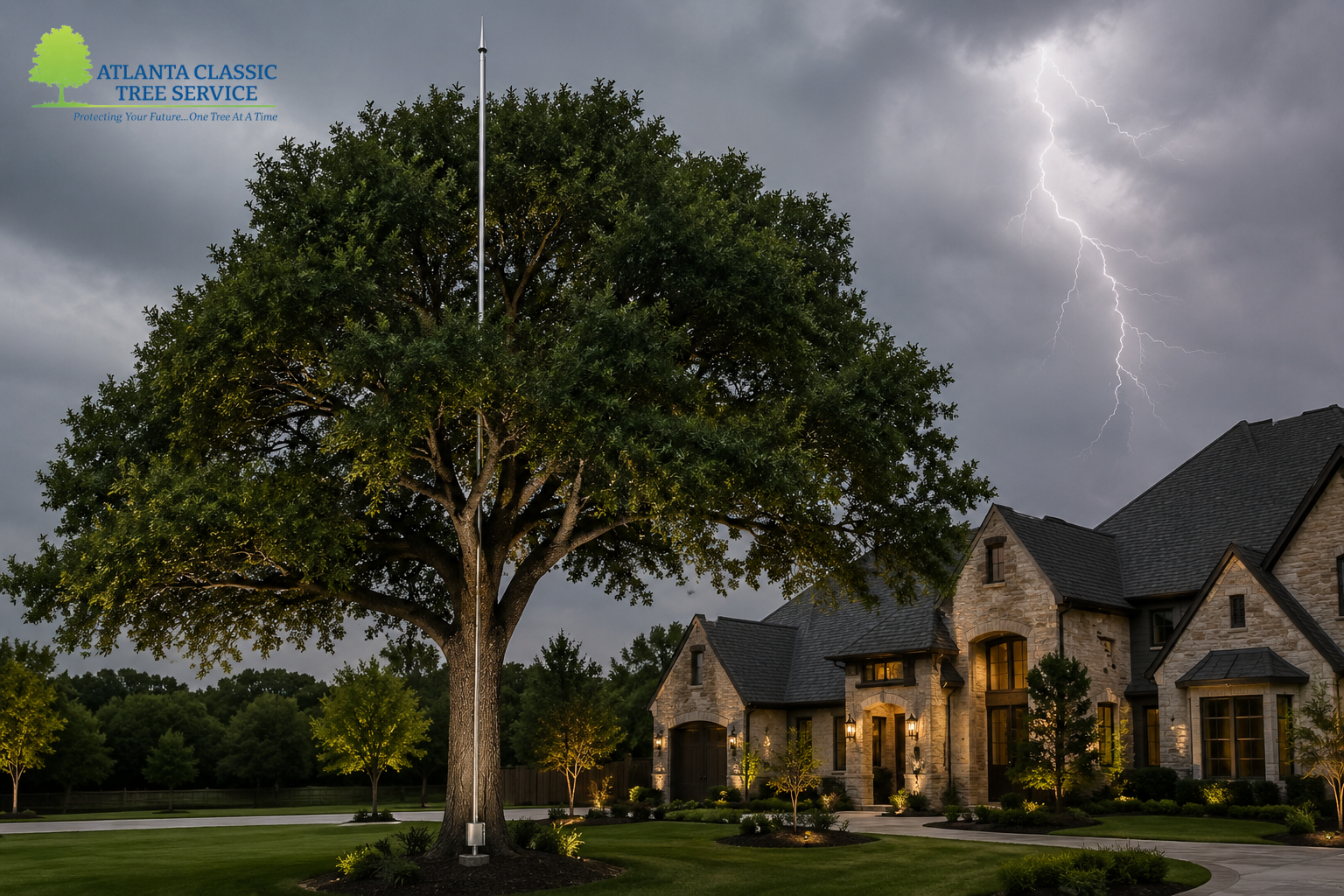
A tree lightning protection system usually includes copper conductors, air terminals, and grounding parts. The air terminals sit in the crown to catch the strike, while cables direct the energy down the tree into the soil. When installed properly, the system helps prevent explosive heating that can damage bark, split trunks, and harm major limbs. This setup is especially important for trees near homes, patios, garages, and landscape features.
The best systems are discreet and durable. Modern installations often use copper cables that blend into the tree's structure, minimizing visual impact. Sometimes, installers use methods that reduce roof penetrations and potential leaks when nearby structures need protective gear. For high-value trees, the system should be customized to the tree’s size, crown shape, species, and location. That's why an expert arborist assessment is crucial before starting any installation.
The Importance of Grounding
While it's easy to focus on visible parts of a lightning protection system, grounding is what completes the safety path. The system must move the energy into the earth quickly and predictably. If the grounding is too small or poorly installed, the current can still cause damage. Proper grounding also helps protect the surrounding area from dangerous side flashes or secondary damage.
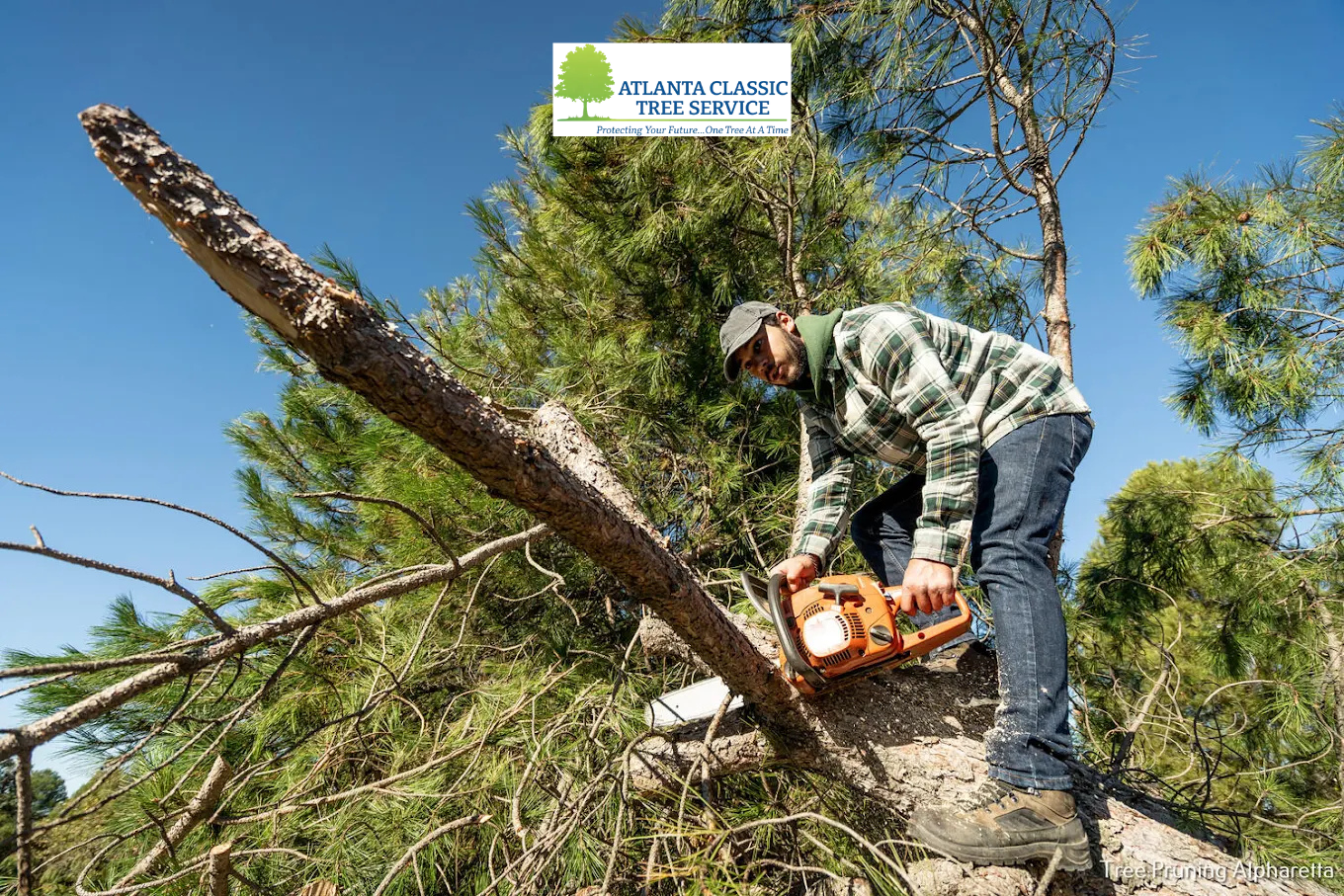
If you're comparing other tree safety services, think of lightning protection as part of a broader risk management plan. Services like tree removal might be necessary for a hazardous tree that can't be saved, but lightning protection can preserve a healthy tree worth keeping. Similarly, trees with structural weaknesses may benefit from support systems before storm season hits.
Which Trees Need Protection the Most?
High-Value, Historic, and Special Trees
Not every tree needs lightning protection, and that's an important point. Trees with special value—whether emotional, historical, architectural, or financial—are common candidates. A mature oak in a front yard, a centuries-old specimen on public property, or a landmark tree near an estate entrance may justify the investment. Losing one of these trees can change the look, function, and value of an entire property.
Certified arborists usually consider tree size, height, crown form, isolation, and proximity to structures before making a recommendation. Trees taller than surrounding vegetation are more likely to attract strikes, and isolated trees face additional exposure because there are fewer nearby objects to dissipate a storm’s electrical energy. If a tree is already weakened by decay, root stress, or past storm damage, the risk becomes even more serious.
Species and Conditions That Increase Risk
Research and industry guidance suggest some tree species are more vulnerable than others. Trees like maples, ashes, poplars, pines, oaks, hemlocks, elms, and sycamores are often seen as more susceptible due to their high starch content. Meanwhile, trees with higher oil content, like birches, beeches, and chestnuts, may be less likely to be struck. While species alone shouldn't be the only factor, it can help guide decisions when a property has several valuable trees.
Site conditions matter too. Trees near open water, at the top of a slope, in large clearings, or next to tall structures may experience different strike patterns than those in a dense stand. For homeowners wanting to understand tree vulnerability in context, the Arbor Day Foundation’s lightning protection overview offers a helpful explanation of why some trees are more at risk than others.
Latest Trends in Lightning Protection Technology
Cleaner, Better-Integrated Installations
Modern lightning protection trends focus on cleaner systems that are less visible. Today's best practices aim to preserve the tree’s natural look while still offering strong protection. Copper cables can often be installed in a way that follows the trunk and major branches without creating a harsh visual profile. This matters for ornamental landscapes, public gardens, and historical properties where appearance is almost as important as protection.
Another improvement is better planning around the tree and the site as a whole. Instead of a one-size-fits-all approach, installers now consider the full exposure picture, including nearby buildings, wiring, walkways, and other trees. This trend reflects what certified arborists have long known: a lightning protection system works best when tailored to the tree’s biology and environment. For instance, Atlanta Classic Tree Service offers lightning protection for tall and historic trees needing strike defense without sacrificing landscape quality.
The Importance of Standards and Certification
While technology has improved, workmanship remains crucial. Systems must be installed by trained professionals who understand both arboriculture and electrical safety principles. That's why property owners should look for crews that follow recognized industry standards and work with certified arborists when possible. Organizations like the International Society of Arboriculture and the Tree Care Industry Association continue to influence safer practices across the industry.
For a deeper technical perspective, the National Fire Protection Association offers educational material on lightning and surge protection concepts, emphasizing the importance of proper grounding and system design. While tree lightning protection is a specialized field, it benefits from the same fundamental safety mindset used in broader lightning protection planning.
Expert Insights on Assessment and Installation
Start with a Professional Risk Evaluation
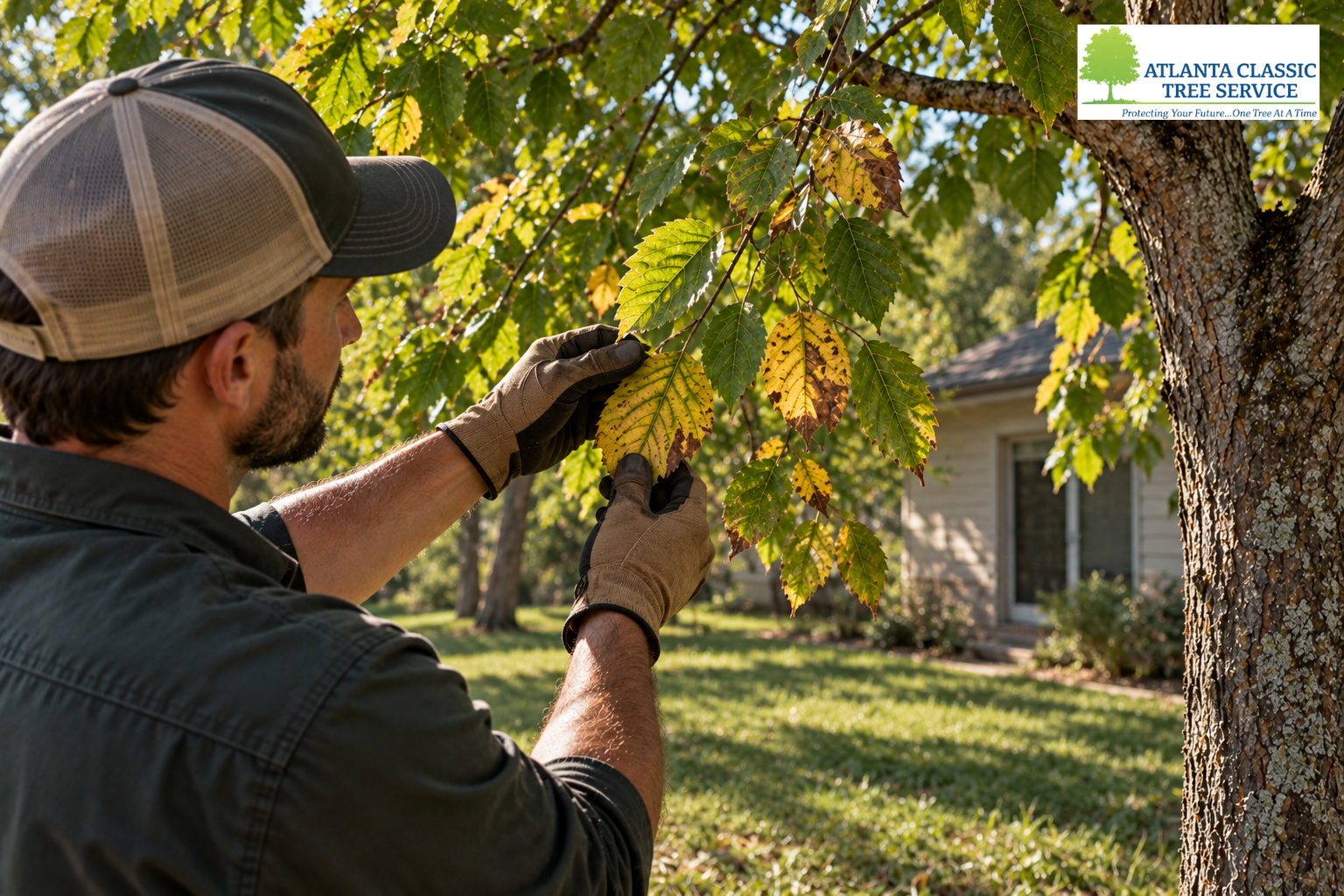
Before recommending a system, a certified arborist will assess the tree’s structure, health, and surroundings. This evaluation can include the trunk diameter, total height, crown symmetry, limb spacing, and whether the tree has existing cracks or weak branch unions. If the tree has significant decay or root instability, lightning protection may not be the best first solution. In those cases, a broader plan may include pruning, support, or even removal.
Professional evaluation also helps prevent unnecessary spending. A tree that is healthy, low-risk, and well protected by surrounding vegetation may not need a full system. On the other hand, a tree that anchors the character of the property or sits within 10 feet of a structure deserves closer attention. This is where a conversation about tree preservation becomes practical, not theoretical. For more guidance on evaluating tree condition, you might find our article on how to spot an unsafe tree helpful.
Customized, Not Improvised, Installation
Every tree is different, and so is every installation. Conductors must be placed to protect the main stem and critical branches while avoiding unnecessary stress points. Hardware should be attached in a way that respects the tree’s growth patterns and allows for future movement. That’s one reason why lightning protection is not a DIY project for most property owners.
Good installers also think ahead. If a tree is likely to grow substantially, the system should be planned to accommodate that growth. If the tree is near a roofline, fencing, or outdoor structure, the installer should evaluate those elements too. A carefully planned installation can reduce the risk of damage while keeping the tree visually appealing and structurally sound.
Common Questions Property Owners Ask
Is Lightning Protection Necessary for All Trees?
No. In fact, the best approach is selective protection. Trees with historical, ecological, sentimental, or financial value are the strongest candidates. Trees near homes, patios, playgrounds, and commercial spaces may also justify protection because a strike can create hazards beyond the tree itself. If a storm-damaged tree already needs major intervention, a professional may recommend other services first, such as hazardous tree removal or corrective pruning.
What Happens if a Tree is Struck Without Protection?
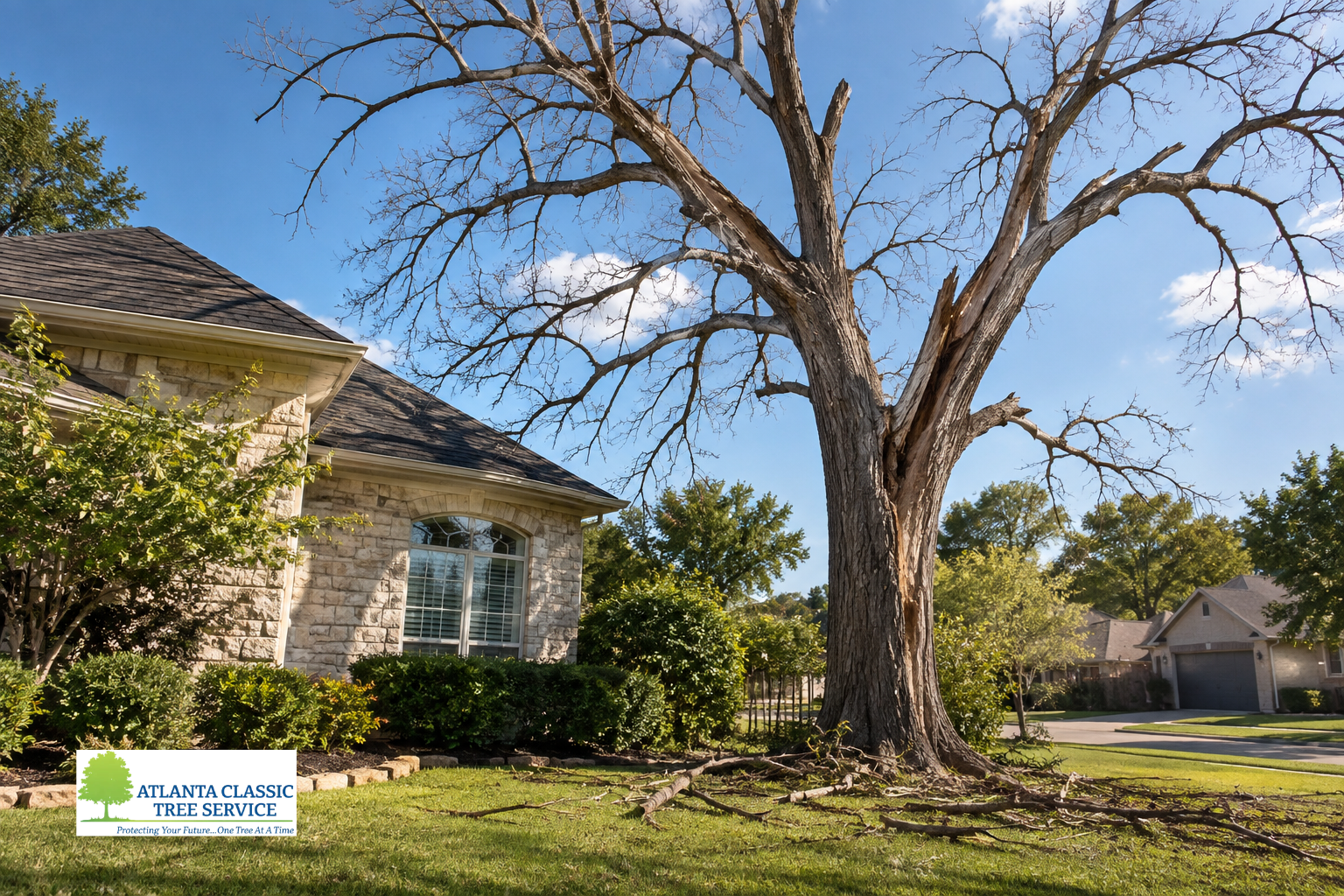
Without a lightning protection system, the electrical current often follows the path of least resistance through bark, sapwood, and moisture pockets. This can cause the trunk to split, limbs to explode, or bark to peel away in long strips. The strike may also create internal damage that is not immediately visible but later leads to decline. In severe cases, the damaged area becomes an entry point for pests and decay organisms.
The surrounding property can also be affected. Flying bark, falling limbs, and fire risk can threaten structures and people. In wet soils, electrical energy may even travel in ways that affect nearby underground utilities or landscape features. This is why lightning protection is not just about the tree. It's about the safety and resilience of the entire property.
How Do I Know if My Tree Should Be Evaluated?
If you have a tall tree that stands apart from others, a tree close to the house, or a specimen tree that would be difficult to replace, it is worth scheduling a professional assessment. Properties with frequent thunderstorms should be especially proactive. In the Atlanta area, humid summers and fast-moving storms can create repeated exposure during the warm season, so the risk is not abstract. It is seasonal, recurring, and manageable with planning.
Lightning Protection, Storm Prevention, and Tree Preservation
Protection Works Best as Part of a Larger Care Plan
Lightning protection is most effective when the tree is already healthy. A well-maintained tree with proper pruning, balanced structure, and adequate soil support is better able to withstand storm stress than a neglected one. That's why many arborists recommend combining lightning protection with routine maintenance like pruning, fertilization, and structural support. If roots are struggling, the canopy is overcrowded, or dead limbs are present, the tree is already more vulnerable.
For property owners who want a full preservation strategy, services such as targeted fertilization and seasonal pruning can improve vigor and reduce avoidable stress. A healthier tree often responds better to storms in general, even before lightning protection is considered. This integrated approach is especially useful for mature landscapes where the goal is long-term stability rather than short-term fixes.
What Lightning Protection Cannot Do
It is important to be realistic. Lightning protection does not make a tree invincible. It cannot fix severe root failure, advanced decay, or major structural defects. It is designed to reduce risk, not eliminate it. If a tree is already in poor condition, an arborist may recommend other corrective steps or advise that removal is the safer choice.
That honesty is part of what makes professional guidance valuable. The best tree care plan is never based on a single product or service. It is built around the tree’s condition, the property’s goals, and the owner’s tolerance for risk. When those factors are balanced well, lightning protection becomes a smart, targeted investment rather than a generic add-on.
Real-World Example: Protecting Valuable Trees in a Storm-Prone Area
A Practical Case for Homeowners and Property Managers
Imagine a property with a large, mature shade tree near the front of a home and another specimen tree anchoring the edge of a backyard patio. Both trees provide beauty, cooling shade, and curb appeal, but they also stand in exposed positions. After repeated summer thunderstorms, the owner decides to install a lightning protection system on the most valuable tree and pair it with regular inspections for the second one. That decision reduces the chance of catastrophic damage and supports the overall landscape plan.
This is the kind of situation where local expertise matters. In Alpharetta, Atlanta Classic Tree Service has helped property owners protect tall and historic trees with tailored lightning protection solutions. Their work reflects a practical understanding of storm exposure, tree structure, and landscape preservation. For property owners in the area, that local perspective can make a major difference when deciding which trees deserve protection first.
Why Prevention is Often Less Expensive Than Recovery
Replacing a mature tree can cost far more than protecting it. Beyond removal and replanting expenses, there may be losses in shade, privacy, property value, and stormwater management. If a lightning strike damages the tree but does not kill it, repair costs can still add up through pruning, risk reduction, and ongoing monitoring. Prevention is not always the cheapest line item in the moment, but it is often the most cost-effective over the life of the landscape.
That same logic applies to other parts of tree care. Once a tree becomes dangerous, property owners often need emergency services instead of planned maintenance. A proactive investment in lightning protection can help shift the balance from reactive cleanup to controlled preservation.
How to Decide Whether Lightning Protection Is Right for Your Property
Ask the Right Questions Before You Install
Start by asking how important the tree is, how exposed it is, and what would happen if it were damaged. If the tree provides defining character to the property, sits near a building, or has cultural value, protection may be well worth it. If the tree is already declining, an arborist may suggest that the money be put toward other priorities instead. The right answer depends on the tree, not on a generic rule.
You should also ask whether the tree has any companion needs. A property with weak limbs may benefit from structural support. A tree with dense, crowded growth may need selective pruning to improve airflow and reduce storm stress. By looking at the whole picture, you get a plan that is both safer and more efficient.
Work with an Experienced Tree Care Team
Lightning protection is a specialized service, and it should be installed by a team that understands arboriculture, storm risk, and safe hardware placement. A qualified provider can explain why one tree should be protected and another may not need it. They can also inspect the site for other risks, including deadwood, weak unions, or nearby structures that may need attention. In many cases, that broader evaluation is just as valuable as the installation itself.
For property owners who want to learn more about related services, Atlanta Classic Tree Service also offers guidance on storm-related care, structural support, and long-term landscape management. When lightning protection is combined with regular maintenance and smart planning, trees have a much better chance of staying healthy, stable, and valuable for years to come.
Final Thoughts: Protect the Trees That Matter Most
Lightning protection is one of the most practical ways to safeguard valuable trees and the property around them. It helps direct electrical energy into the ground, lowers the risk of fire and structural damage, and preserves trees that might otherwise be lost after a single storm. For historic trees, specimen trees, and mature landscape anchors, the system can be an excellent long-term investment.
Just as important, lightning protection works best when it is part of a thoughtful care plan. Healthy trees, proper pruning, structural support, and professional evaluation all play a role in reducing storm damage. If you are unsure whether a tree on your property should be protected, the best next step is a consultation with a certified arborist who can evaluate the tree’s condition and exposure. For property owners seeking experienced help, professional lightning protection is a smart way to preserve both your trees and your peace of mind.
Ready to protect your most valuable trees? Contact Atlanta Classic Tree Service to schedule a tree assessment and learn whether a custom lightning protection system is the right fit for your property.
Atlanta Classic Tree Service | 4975 Atlanta Hwy Suite 100, Alpharetta, GA 30004, USA | (770) 497-1941 | info@atlantaclassictree.com