The Real Costs of Skipping Pond Maintenance
Ponds can add beauty and value to a property, but they need regular care. Without it, small problems quickly become big ones, affecting the water quality, wildlife, and the land around it. If your property includes ponds, knowing these risks can save you a lot of trouble. Also, if you've got trees hanging over the water, getting those trimmed by professionals can help keep your pond cleaner for longer.
Let's dig into what happens when you ignore pond maintenance. We'll cover why sediment and erosion are big issues and how regular check-ups can save you money in the long run. You'll also learn about pond aeration, managing aquatic plants, and dredging, and how these can keep your pond in top shape. If you want a practical care plan, our maintenance services can tackle those slow-building problems before they get costly. For more on water quality and nutrient pollution, check out what the U.S. Environmental Protection Agency has to say at epa.gov.
Why Pond Maintenance Is Crucial
Little Issues, Big Problems
Ponds don't fail overnight; they decline through small, easy-to-miss changes. You might notice some extra sediment, a bit of algae, or a few eroding spots along the bank. Ignoring these signs can make your pond lose depth and visual appeal, making it harder and pricier to maintain each season.
This is especially true for ponds that manage stormwater. They collect runoff, control flooding, and filter pollutants. If sediment fills the basin, it can't hold as much water, reducing its effectiveness. Regular inspections aren't just good to have—they're a must.
Ponds Are Living Systems
A healthy pond balances water, sunlight, oxygen, plants, insects, fish, and soil. Disturb that balance, and the whole system suffers. Decaying leaves and runoff can cause algae blooms, while too much shade limits beneficial plant growth. Over time, a clear pond can become murky and shallow.
That's why upkeep matters. Managing trees around the pond can reduce organic load and stabilize banks. Sometimes, removing trees is necessary if they're hazardous or poorly placed. For more on pond care and waterway protection, check out Oklahoma State University Extension at extension.okstate.edu.
The Buildup of Sediment
Loss of Depth Affects Storage and Quality
Sediment buildup is a major problem from neglected pond care. Soil particles wash into the pond from slopes, construction areas, and runoff. Leaves and decomposing plant matter also settle at the bottom, reducing depth. Industry observations suggest sediment buildup can cut a pond's storage capacity by 50% over several years without management.
As depth decreases, water warms faster and holds less oxygen, especially during hot weather. This makes conditions tough for fish and other aquatic life. Shallow water allows sunlight to penetrate easily, accelerating algae growth. A minor sludge problem can quickly turn into a major water quality issue.
Dredging Becomes Necessary and Costly
When sediment levels get too high, dredging might be needed to restore depth and function. While effective, dredging is disruptive and costly. It requires specialized equipment and permits for removal and disposal of sediments.
The smarter approach is prevention. Regular inspections let you catch sediment deposits early. Sediment traps, vegetation buffers, and periodic cleanouts can prevent major restoration later. Georgia and regional land-management guides often recommend monitoring sedimentation patterns before it becomes a severe issue.
How Neglect Leads to Erosion and Structural Issues
Shoreline Erosion Can Be Fast
Unmanaged water movement, poor vegetation cover, and unstable banks can lead to shoreline erosion. Erosion can progress quickly, changing the pond's shape and creating safety hazards.
Eroding banks add more sediment to the pond. This cycle can undermine paths, fences, and other nearby structures. If your pond is near landscaped areas, erosion can damage turf and expose roots. Pairing pond care with fertilization can help stabilize the soil.
Structural Damage Becomes a Safety Concern
Issues like cracks, slumping edges, and damaged embankments can develop gradually. These conditions may compromise the pond's structural integrity and lead to expensive repairs.
Monthly inspections are valuable. Walk around the pond, note changes, take photos, and look for soil displacement. Early detection can prevent small problems from becoming big ones. This is why pond maintenance is as important as roof inspections or drainage repairs.
Water Quality Problems from Neglect
Low Oxygen and Murky Water Are Red Flags
As sediment, debris, and algae increase, water quality declines. You might notice cloudy water or unpleasant odors, especially in warm months. Low oxygen levels can stress fish and microorganisms.
Aeration helps by increasing circulation and supporting oxygen levels. While not a cure-all, it's crucial for maintaining water quality. Pair aeration with routine debris removal, nutrient control, and shoreline maintenance to avoid rebuilding the same problems.
Algae Blooms Can Take Over
Excess nutrients can cause rapid algae growth. Some algae are just unsightly, but others create dangerous surface mats or lead to oxygen crashes.
According to the Centers for Disease Control and Prevention, harmful algal blooms can pose health risks in recreational waters. Check out their guidance at cdc.gov. A neglected pond often has ideal conditions for algae: too many nutrients, little circulation, and too much sunlight. That's why vegetation control and debris management are crucial.
The Problem with Overgrown Vegetation
Invasive Plants Disrupt Balance
Some plant growth is good for a pond, but overgrowth is a problem. Aquatic weeds block light, clog inlets, and reduce water flow. Invasive species are hard to remove without a management plan.
Vegetation management should cover both aquatic and shoreline growth. Cutting back plants at the right time prevents seed spread and decomposing matter from sinking into the pond. In extreme cases, a professional may be needed to decide on removal methods.
Too Much Shade and Debris Change the Environment
Large trees near ponds can be good for habitat, but too much shade and leaf drop increase maintenance needs. Leaves decompose, adding nutrients and forming sediment. Heavy shade can prevent desirable plant growth.
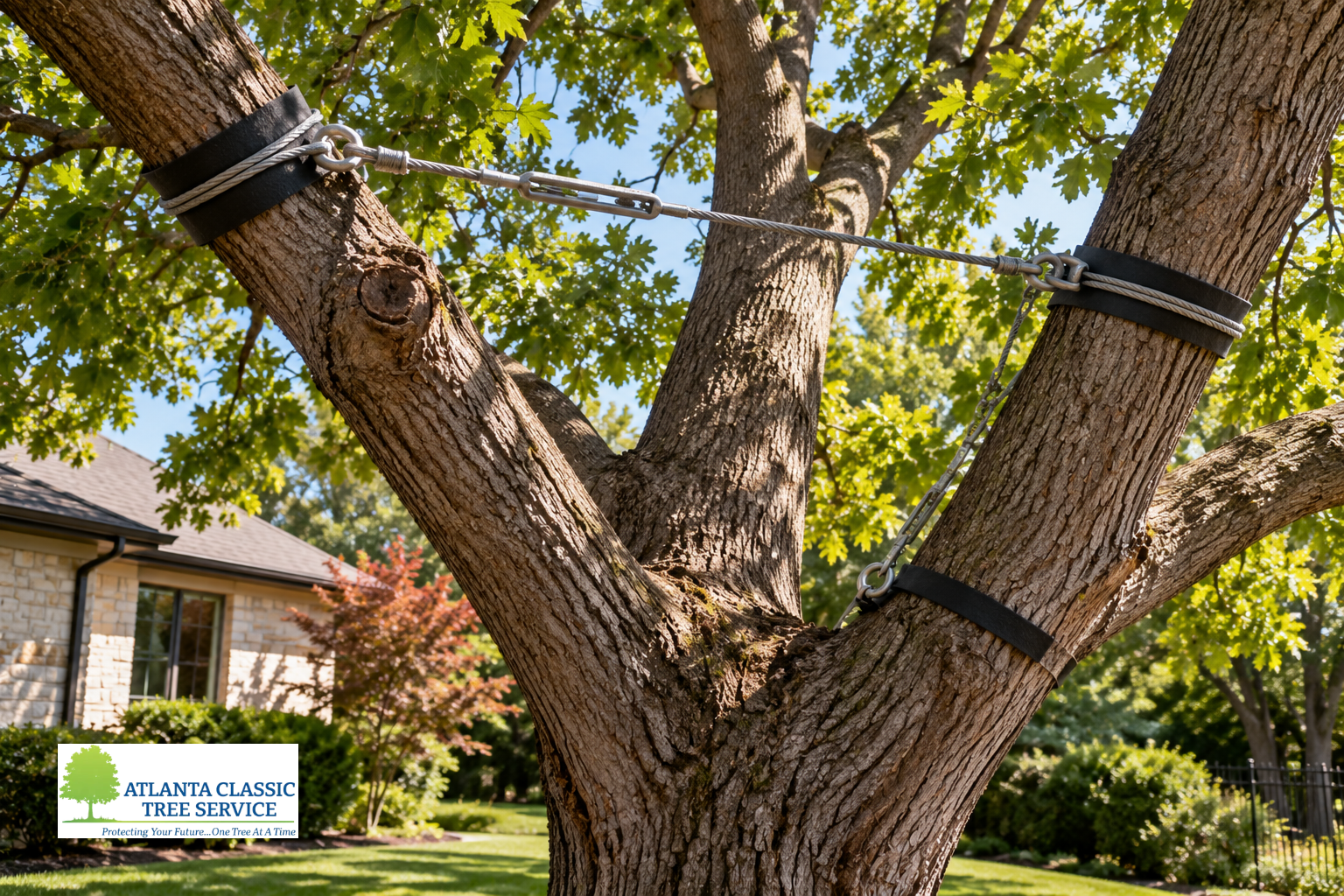
For properties with mature trees, selective pruning reduces debris without removing valuable canopy. In some cases, cabling and bracing might be needed for weak trees.
The Impact on Fish, Wildlife, and Biodiversity
Habitat Quality Declines
Healthy ponds support diverse wildlife. When water quality drops, so does biodiversity. Low oxygen, algae, and unstable banks make it hard for wildlife to thrive.
Urban restoration projects show regular maintenance improves water clarity and boosts local biodiversity over time. In agricultural settings, consistent pond maintenance leads to stronger fish yields and fewer algae problems.
Wildlife Changes Signal System Stress
If you notice fish gasping, turtles congregating in shade, or birds avoiding the pond, the ecosystem might be stressed. These signs often indicate oxygen loss or contamination.
Regular inspections can help spot early signs of decline. Treat wildlife changes as signals to investigate further. For communities or commercial sites, this is especially important for stormwater management and property aesthetics.
The Financial Cost of Delay
Prevention Is Cheaper Than Restoration
Skipping pond maintenance costs more in the long run. A small maintenance budget can prevent major issues like sediment buildup or bank erosion. Major restoration might require dredging, repairs, and redesigns, which are costly.
Experts stress regular inspections and debris cleanout as financial protection. Catching problems early prevents expensive damage. Just like routine roof maintenance, pond care protects the surrounding area.
Neglect Affects Property Value and Compliance
A neglected pond can lower property value and create negative impressions. For HOAs and commercial properties, poor pond condition can trigger complaints and compliance issues.
Treat pond care as part of your landscape plan. This includes mowing, sediment monitoring, and tree work where needed. If you're investing in landscape protection, address the trees and pond system together.
Spotting Neglect Early
Monthly Checklist
A regular inspection routine can catch most problems early. Look for murky water, surface scum, exposed soil, odors, dead fish, clogged outlets, and floating debris. Also, check water levels for seepage or outlet issues.
Walk the perimeter, check inlets and outlets, and photograph trouble spots. After heavy rain, inspect again. If your pond is near wooded areas, combine inspections with tree canopy review and debris control.
When to Call for Help
Some issues need professional help. If erosion advances, sediment reduces depth, weeds spread, or structural damage appears, seek expert advice.
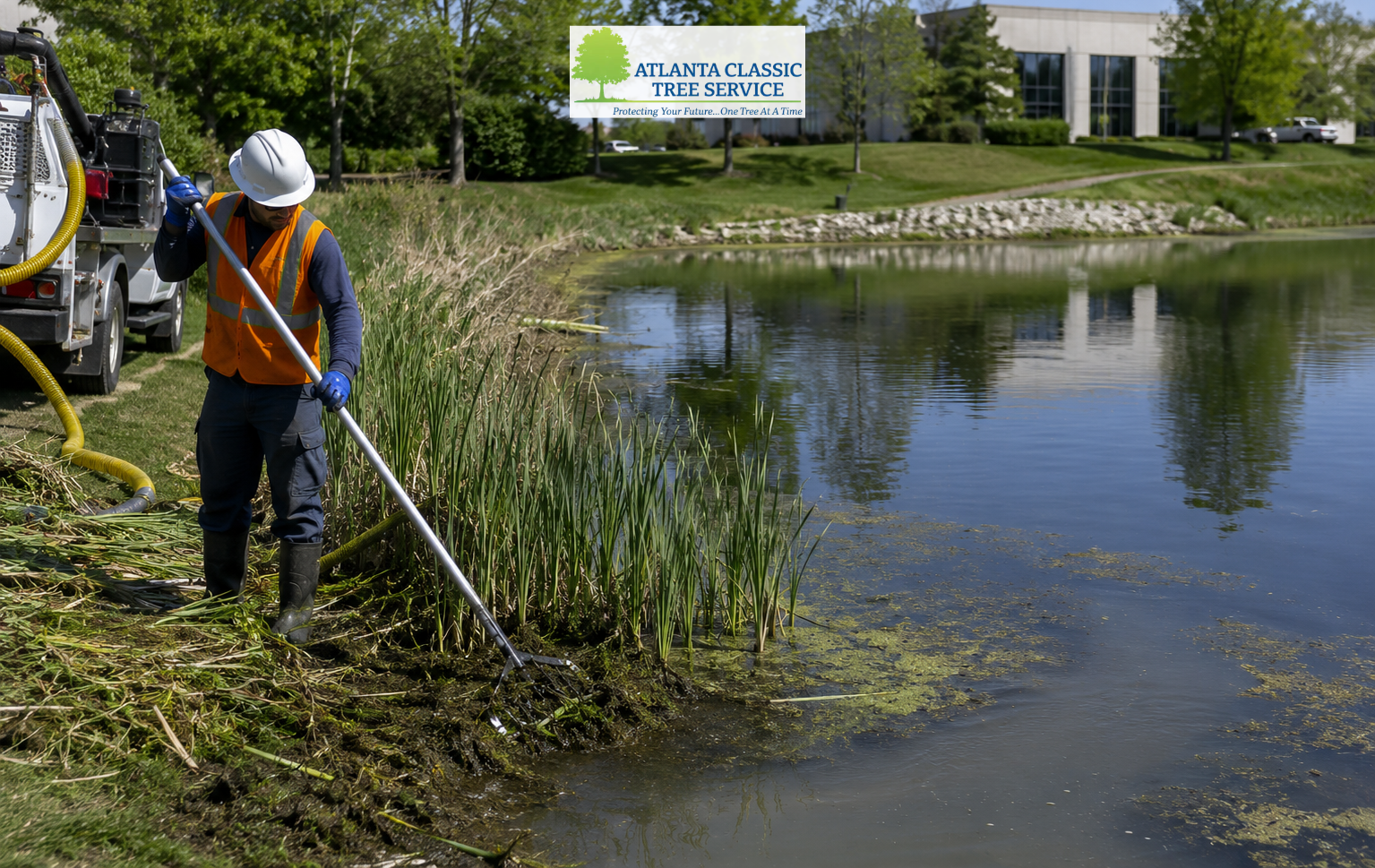
Professional pond maintenance can include sediment removal, vegetation control, and waterline inspection. Sometimes, it involves tree pruning or removal near the water. For debris and storm cleanup, stump grinding might help if old tree remnants block drainage.
Case Studies and Real-World Examples
Urban Restoration Shows the Value of Care
In a city restoration project, a neglected pond had sediment deposits, shoreline weeds, and poor water clarity. Restoration improved circulation and local biodiversity returned. The lesson here is that waiting too long can lead to major problems.
Agricultural Pond Management Boosts Productivity
Farmers who maintain ponds report fewer algae blooms and better fish yields. Healthy ponds perform better, whether they support livestock, irrigation, or drainage.
Pond care in these settings may involve erosion control, access management, and debris reduction. For clean ground cover materials, wood shavings delivery can help reduce mud and washout.
Creating a Smart Pond Maintenance Plan
What to Include
A good pond maintenance plan includes inspections, vegetation review, debris removal, sediment monitoring, bank-condition checks, and water-quality observation. Tree pruning or removal may be needed if the pond is surrounded by trees.
Divide tasks into categories: water, vegetation, structures, and surrounding landscape. This helps plan budgets and avoid surprises.
Local Conditions Matter
Climate, rainfall, soil, and surrounding land use affect how quickly a pond deteriorates. In warm climates with seasonal rain, sediment and plant growth accelerate.
In regions with heavy leaf drop and storms, the maintenance plan should be more proactive. Partnering with local tree experts can protect the whole site.
The Bottom Line: Don't Let Ponds Become Problems
Neglected ponds build problems slowly but surely. Sediment reduces depth, erosion weakens banks, and vegetation blocks circulation. These issues harm wildlife, property values, and incur high repair costs.
The good news? Most of these problems are preventable. Monthly inspections, sediment management, vegetation control, and tree care can keep ponds healthy and functional. If your pond needs a closer look, our team can help evaluate and create a maintenance plan. Learn more about our pond maintenance services. For more on pond systems and stormwater protection, check out the Natural Resources Conservation Service at nrcs.usda.gov.