We all love our trees and the benefits they give us: shade, privacy, and beauty. So, naturally, most of us want to save them whenever possible. But sometimes, taking down a tree is actually the smarter move, especially if it’s diseased, damaged, or poses a risk to your home or family.
Deciding whether to keep a tree or remove it can be tricky. It’s good to know the signs of trouble, the risks of waiting too long, and what other options might be available. Sometimes, pruning or cabling and bracing can give a tree a new lease on life, but those options only work if the tree is still in decent shape. Here, we’ll look at when removing a tree makes more sense, what experts consider, and how to decide.
The International Society of Arboriculture says assessing tree risk involves weighing the chance of the tree falling against what could happen if it does. Even if a tree looks fine from afar, hidden issues like decay or root problems can make it a danger.
Why Removing a Tree Might Be the Best Option
When the Risks Are Too High
We all want to keep trees when they can bounce back without becoming a hazard. But if a tree is likely to fall and it’s near your house, driveway, or other important spots, taking it down might be the safest bet. Trees that have lost a lot of structural support can give way unexpectedly, especially during storms or heavy winds.
Many serious tree issues are hidden from view. Problems like root rot or trunk cavities often can’t be seen without a closer look, which is why a simple sidewalk glance doesn’t cut it.
Location Matters
If a tree is in an open area with little around it, it might be okay to keep an eye on it. But if it’s near your roof or sidewalk, the stakes are much higher. This is where expert advice is key. If there’s a real chance a tree could hurt someone or damage something, removing it might be the wiser choice, even if it’s still holding on.
Our tree removal service focuses on safely handling trees that are hazardous or storm-damaged. The aim isn’t just to chop down a tree but to minimize risks while keeping your yard as intact as possible.
Signs a Tree Might Be Past Saving
Serious Trunk Decay
If you spot major decay in a tree’s trunk, it’s a big warning sign. A trunk that’s hollow or cracked can’t support the tree’s weight much longer. While some trees can handle a bit of decay, once it’s extensive, the risk of sudden collapse goes way up.
Decay often starts after injuries or old pruning cuts. Look for fungi at the base, soft bark, or unusual holes, as they can signal deeper problems. Arborists usually check for patterns, not just one symptom.
Roots and Soil Issues
Healthy roots keep a tree stable and nourished. When construction, disease, or compacted soil weaken them, the tree might become unstable, even if it looks okay above ground. A tree that leans or has exposed roots might be in trouble.
In these cases, strong winds can easily topple the tree. Removing it is often the best way to eliminate the hazard. If roots are failing, just pruning or cabling won’t fix things.
Big Cracks and Structural Flaws
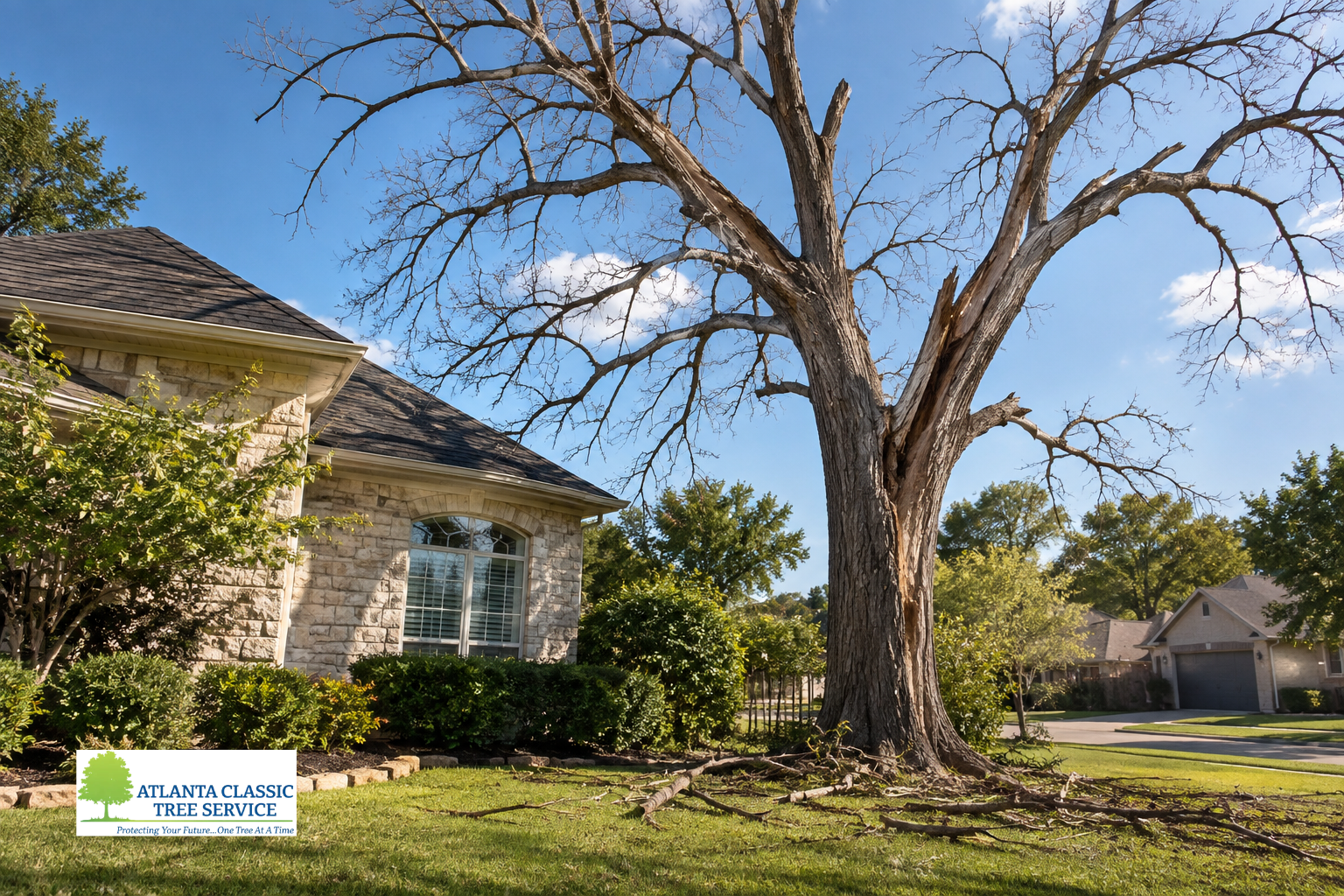
Cracks in the trunk or split stems are concerning because they can break suddenly. Even if a tree keeps growing around a flaw, it remains a weak spot. Trees with multiple stems pulling apart get riskier over time.
Check our simple guide to spotting an unsafe tree for more details. Spotting problems early gives you options, but if issues are severe, removal might be the safest bet.
When Disease and Pests Make Removal Necessary
Advanced Diseases
Not every sick tree needs to go, but some diseases are too advanced to treat effectively. If a disease has spread throughout the tree, treatment might slow things down but won’t restore safety. In these cases, keeping the tree might just delay the inevitable.
Tree disease management should be based on a professional diagnosis. According to the University of Georgia Extension, many tree health issues require careful identification since symptoms can overlap with other problems. A professional evaluation can show if treatment is worthwhile or if removal is best to prevent spreading the disease.
Pests That Weaken the Tree
Some pests attack a tree’s inner systems, making it weak. If insects have caused major dieback or deterioration, the tree might be too weak to save. This is especially a worry when pests let decay organisms in.
Stressed trees struggle to recover, and a tree that’s lost energy reserves won’t respond well to treatments. In these cases, it might be better to remove the tree before it becomes a bigger problem.
Protecting Other Trees
Sometimes, removing one tree helps protect the rest of your yard. A dead or diseased tree can harbor pests or diseases, so taking it out can help keep other trees healthy. Professional tree crews consider the whole area, not just the tree in question.
After removal, targeted fertilization can help nearby plants recover. Plus, stump grinding restores yard space and reduces hazards.
Handling Storm Damage: What Can Be Fixed?
Minor vs. Major Damage
After a storm, some trees look bad but can still recover. Broken branches and small splits can often be fixed with pruning and support. But if a storm has taken most of the crown or split the main trunk, the chances for recovery are slim.
A good rule is to check if the tree still has enough structure to support new growth. If not, it may be better to remove it before another storm hits. For trees with weaker limbs but potential, pruning can help balance the canopy.
Weather's Impact
Repeated weather stress can turn a weak tree into a dangerous one. Even if one storm didn’t finish off a tree, ongoing damage might mean removal is the safest option. Timing is important after storms, especially if there’s visible damage paired with hidden problems.
For more on storm safety and response, check out NOAA’s weather safety resources. They offer useful info on why damaged trees need quick attention.
When Supports Aren't Enough
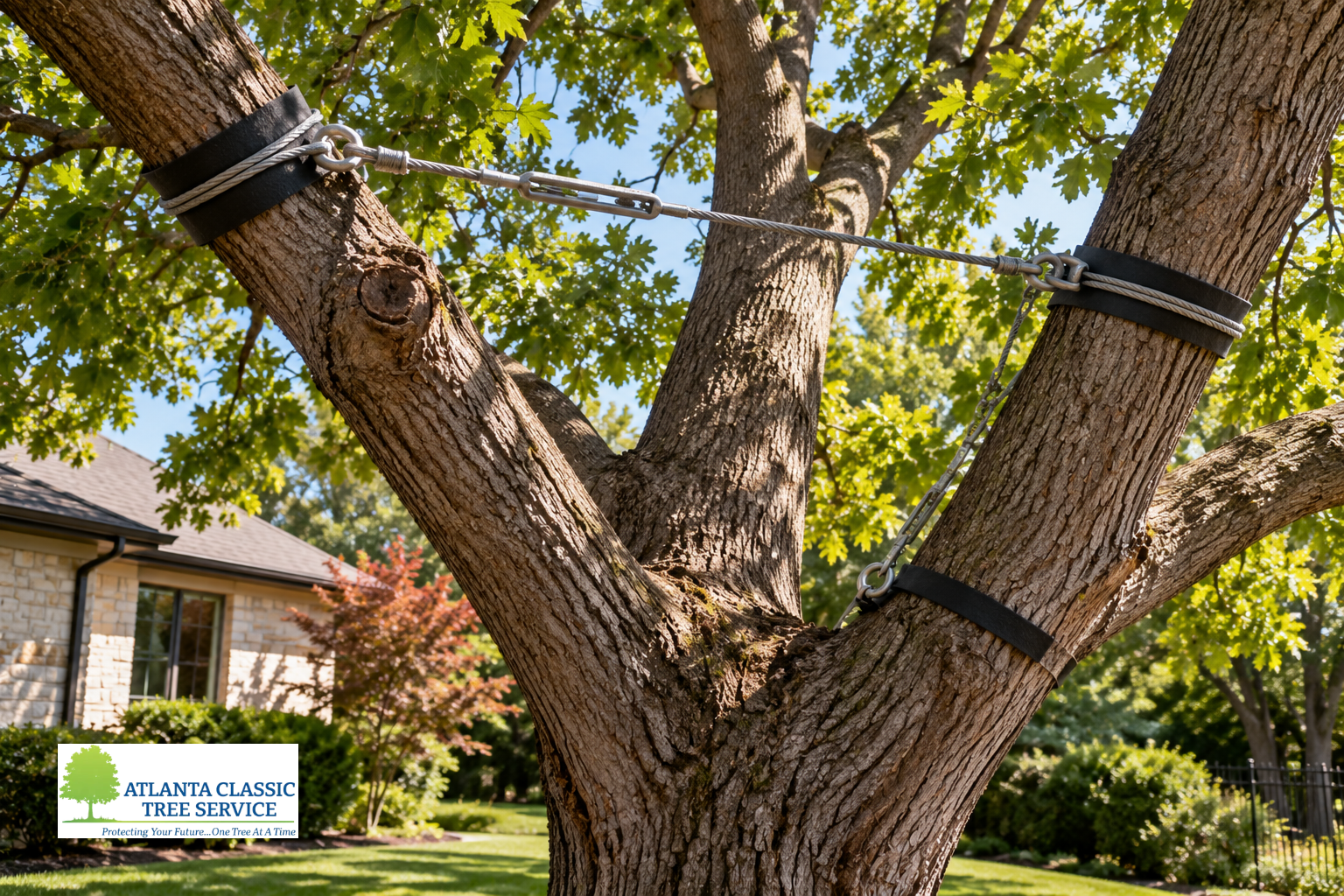
Some storm-damaged trees can be saved with cabling, bracing, and pruning, but these supports aren’t miracles. If the trunk is decayed or the roots are failing, extra supports might not make it safe to keep. In these cases, trying to preserve the tree might give a false sense of security.
Our post on how cabling and bracing can rescue trees explains when they work and when they don’t. Use these tools only when they really improve safety.
How Arborists Decide What to Do
Inspecting the Whole Tree
An arborist checks everything—the trunk, branches, root zone, and even the soil. They look for signs of decay, pests, soil movement, and past injuries. This helps them judge the risks and decide if a tree can stay or if it needs to go.
Thinking About Safety and Cost
Sometimes, keeping a tree alive is possible but expensive and risky. In that case, removal might be the smarter long-term choice. Arborists help weigh the costs of treatment and potential failures against removal and replacement.
In Atlanta and nearby areas, working with a team that knows both preservation and hazard management is crucial. At Atlanta Classic Tree Service, we’ve been helping people decide between maintenance and safe tree removal for years.
Considering the Surroundings
A tree’s location can make a minor issue a big problem. Trees near buildings, fences, or power lines carry different risks. If a tree could fall on someone or something important, it’s a serious concern.
Specialty services can help here. For instance, lightning protection can save tall trees that are otherwise healthy, while cabling and bracing can reduce risks in certain weak trees. The best solution depends on the tree’s condition and its surroundings.
When Keeping a Tree Makes Sense
Minor Issues with Good Recovery
Not every issue means a tree has to go. Trees with limited decay or minor storm damage can often bounce back with proper care. Pruning, mulching, and soil improvement can restore health.
If a tree still has strong roots and a stable trunk, a thoughtful care plan can keep it safe and beautiful. Decisions should be based on facts, not just feelings.
The Importance of Maintenance
Regular maintenance can stop small problems from becoming big hazards. Good pruning improves structure and helps trees handle wind better. Fertilizing and taking care of the soil can boost health.
If you want to keep a healthy tree longer, think about preventive care, not just emergency fixes. Services like pruning and fertilization work best when used early. Waiting too long often leaves removal as the only option.
Monitoring Is Key
Even trees that are saved should be watched over time. New cracks, more leaning, or recurring fungal growth can mean trouble. Regular checks can catch these changes before they become dangerous.
This is especially important for valuable shade or historic trees. It lets you balance safety and preservation rather than making a one-time choice.
What Happens When a Tree Is Removed
Planning and Safety
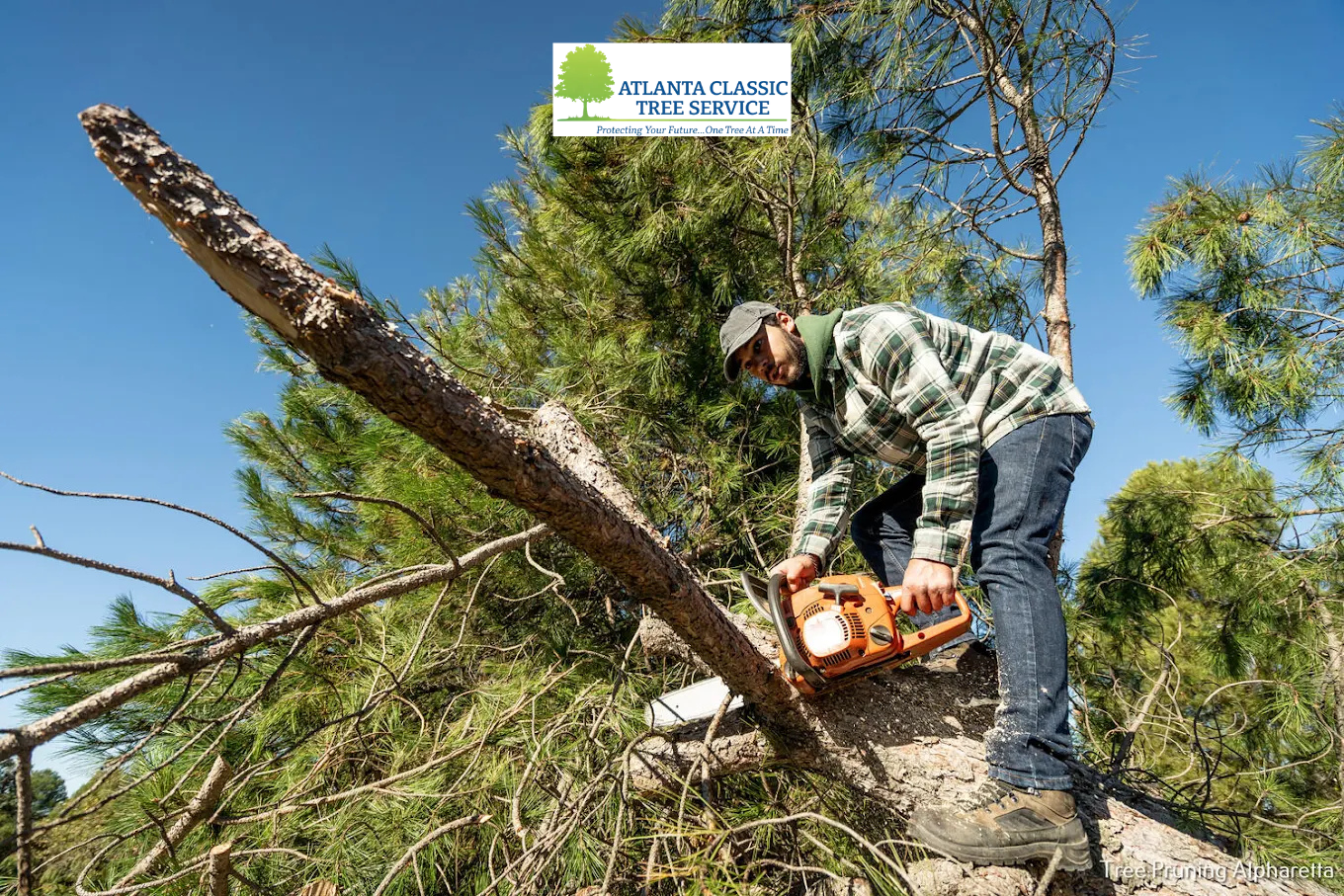
Safe removal involves planning before taking the first cut. A crew looks at how the tree leans, nearby structures, and where it can fall safely. They plan the best approach to take it down with minimal fuss.
Planning matters because removal is often more complicated than it looks. Large branches might need to be lowered in pieces, and tight spots require skill. This is why professional removal is safer than DIY.
Using the Right Tools
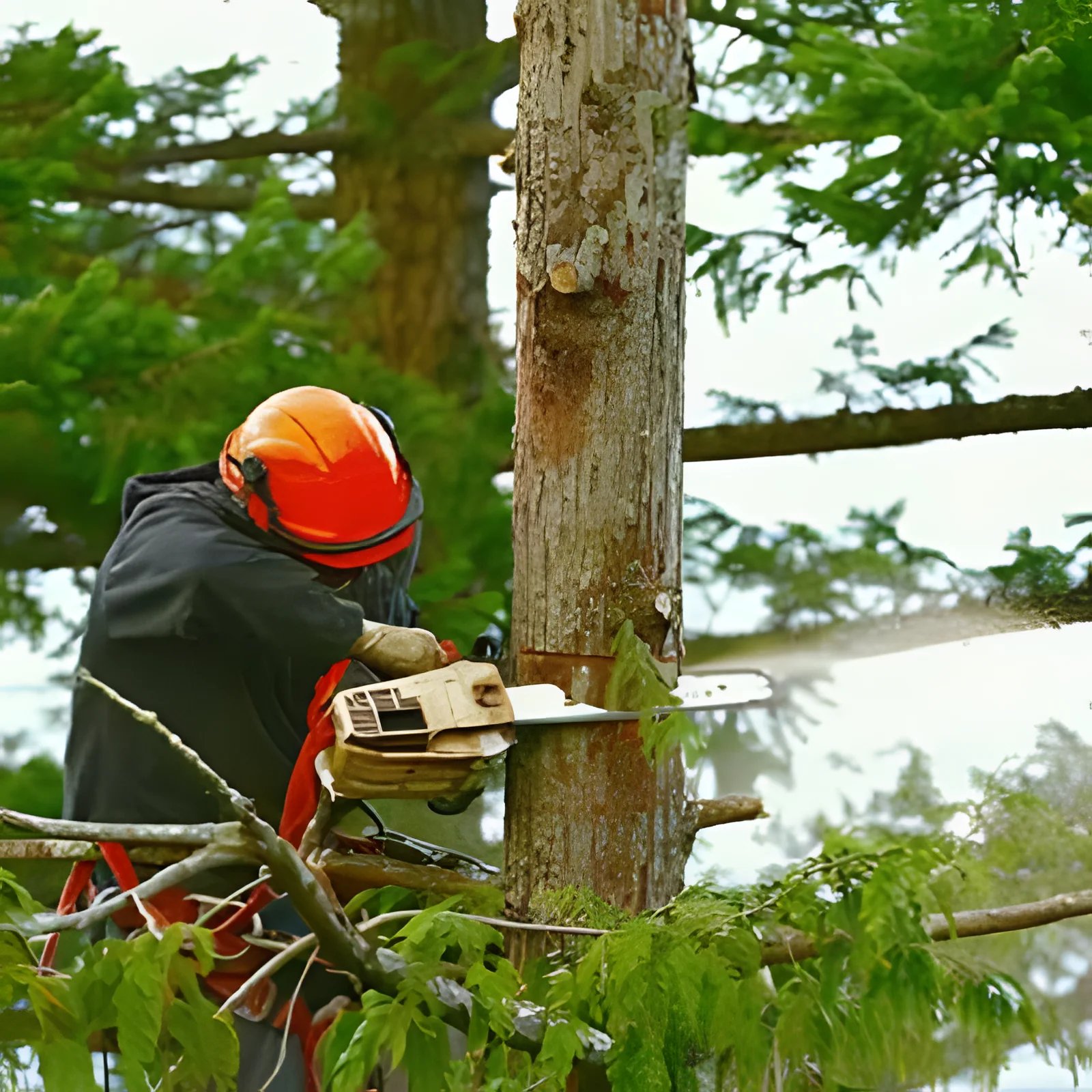
Depending on the tree, crews might use ropes, lifts, saws, and chippers to take it down in stages. The goal is to remove the tree without harming nearby structures or landscaping. This method is much safer than trying to bring down the whole tree at once.
For more on what to expect during removal, see our post on what to expect from professional tree removal. Knowing the process can ease any worries and help you prepare.
Cleaning Up
After removal, a good crew handles all the debris and cleanup. If you want to use the space again, stump grinding can help restore the area for replanting or redesigning. This final step can make your yard feel whole again.
If erosion control or ground cover is needed, other landscaping support services can help stabilize the area. The goal is to make your property safer and more functional.
Common Mistakes Homeowners Make
Thinking Leaves Mean Safety
Just because a tree has leaves doesn’t mean it’s safe. A tree can look lush while its roots are rotting or its trunk is failing. This is a common reason people underestimate risk.
Another mistake is focusing only on looks. A tree might be beautiful but still at risk of sudden collapse. Evaluations should consider health and stability, not just appearance.
Waiting Too Long
Sometimes waiting is okay when a tree is under observation. But waiting gets risky if decline signs are worsening or it’s near critical areas. If issues are progressing, time isn’t neutral; it can increase failure risk.
That’s why quick action is key after storms or construction. Early intervention offers more options, whether that’s monitoring, treatment, or removal.
Choosing the Cheapest Option
Cost matters, but the cheapest option isn’t always the safest. A low-cost fix might ignore decay or unstable roots. If a tree fails later, the total cost can exceed the initial removal estimate.
Smart decisions weigh immediate costs against future risks. In high-risk cases, removal often saves more in the long run by preventing damage and injuries.
FAQ: When Is Tree Removal Safer?
Can a Tree with Leaves Still Need to Be Removed?
Yes. Leaves show part of the tree is functioning but don’t guarantee structural safety. A tree can look alive but still be risky.
Is Cabling Better than Removal?
Not always. Cabling helps with certain weaknesses but isn’t for severe decay or root failure. When a tree’s beyond support, removal is safer.
Is Storm Damage Temporary or Severe?
Check how much canopy is lost, if the trunk is split, and if roots are exposed. If unsure, have a pro look at it. Storm damage can worsen quickly.
Should I Remove a Tree Before It Falls?
If it’s clearly hazardous, yes. Planned removal is almost always safer and cheaper than emergency removal. It allows time to protect your property and work carefully.
Make the Safe Choice Before the Tree Decides
Saving a tree is often the goal, but not all trees should be saved. If a tree’s decay is advanced, roots are failing, or it poses a threat, removal might be the best option. Base your choice on expert advice and site conditions, not just hope.
If you’re unsure about a tree’s fate, start with a professional evaluation. Atlanta Classic Tree Service offers honest, safety-focused guidance, whether it’s pruning, cabling, or removal. Protect your property by reaching out today for an assessment and a plan that keeps safety front and center.