What to Expect from a Professional Tree Removal Service
Removing a tree isn't just about chopping it down and dragging it away. For homeowners and businesses alike, it's a decision that touches on safety, landscaping, and sometimes even local regulations. When you hire a professional team, expect a careful approach that safeguards your property, complies with local rules, and leaves your yard looking better than before.
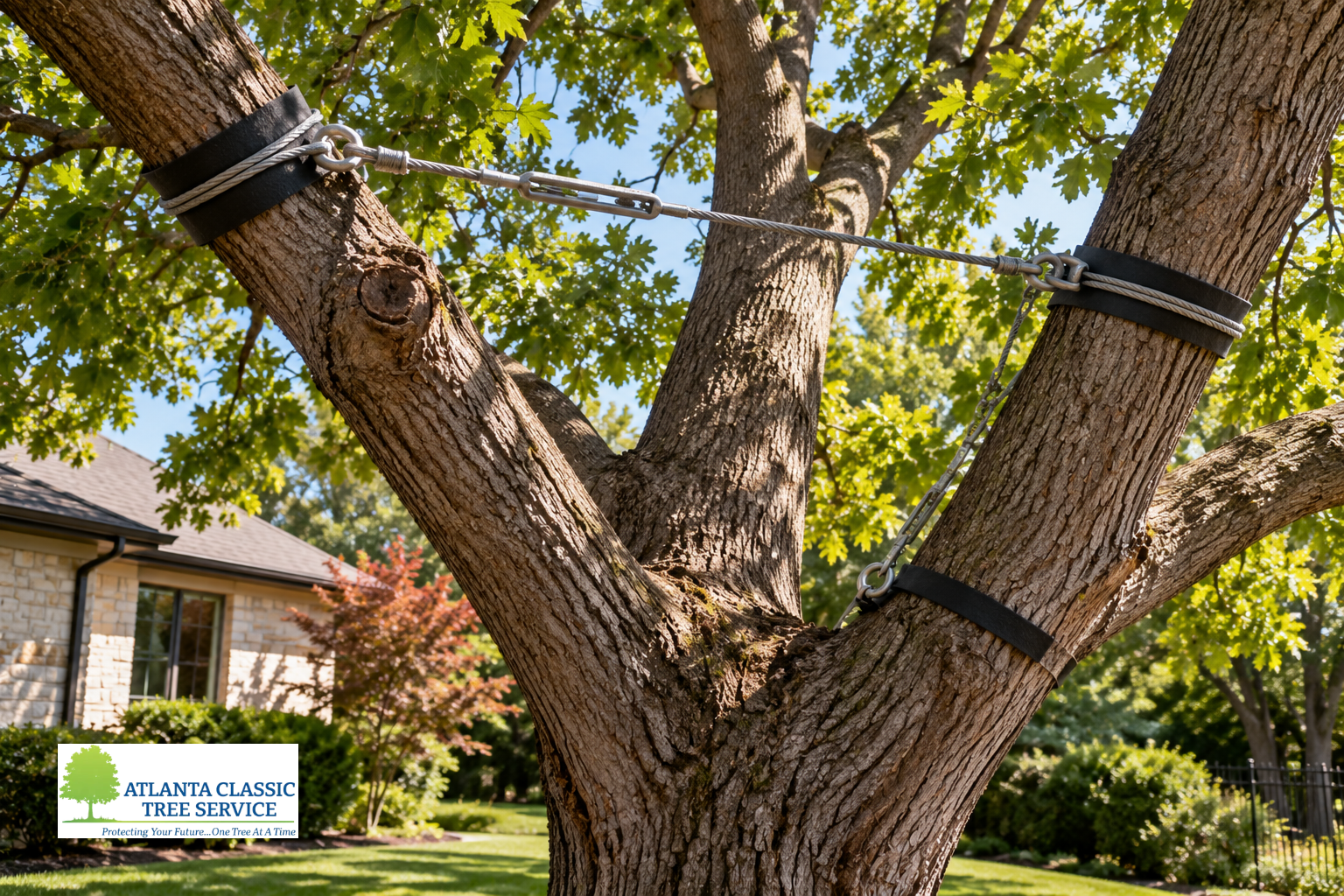
If you're weighing your options, it helps to know what a skilled crew does from the initial check to the final cleanup. A reputable company will walk you through the risks, explain the steps, and suggest related services like tree pruning, stump grinding, or cabling and bracing if there's a chance to save the tree. This guidance is what sets an arborist-led service apart from a basic removal crew.
This guide covers what to expect from a professional tree removal service, including modern equipment, safety practices, permits, pricing factors, cleanup standards, and answers to common questions homeowners ask before work begins. It also highlights why experienced providers matter in an industry that contributes about $20 billion annually to the U.S. economy.
Why Professional Tree Removal Matters
Safety Comes First
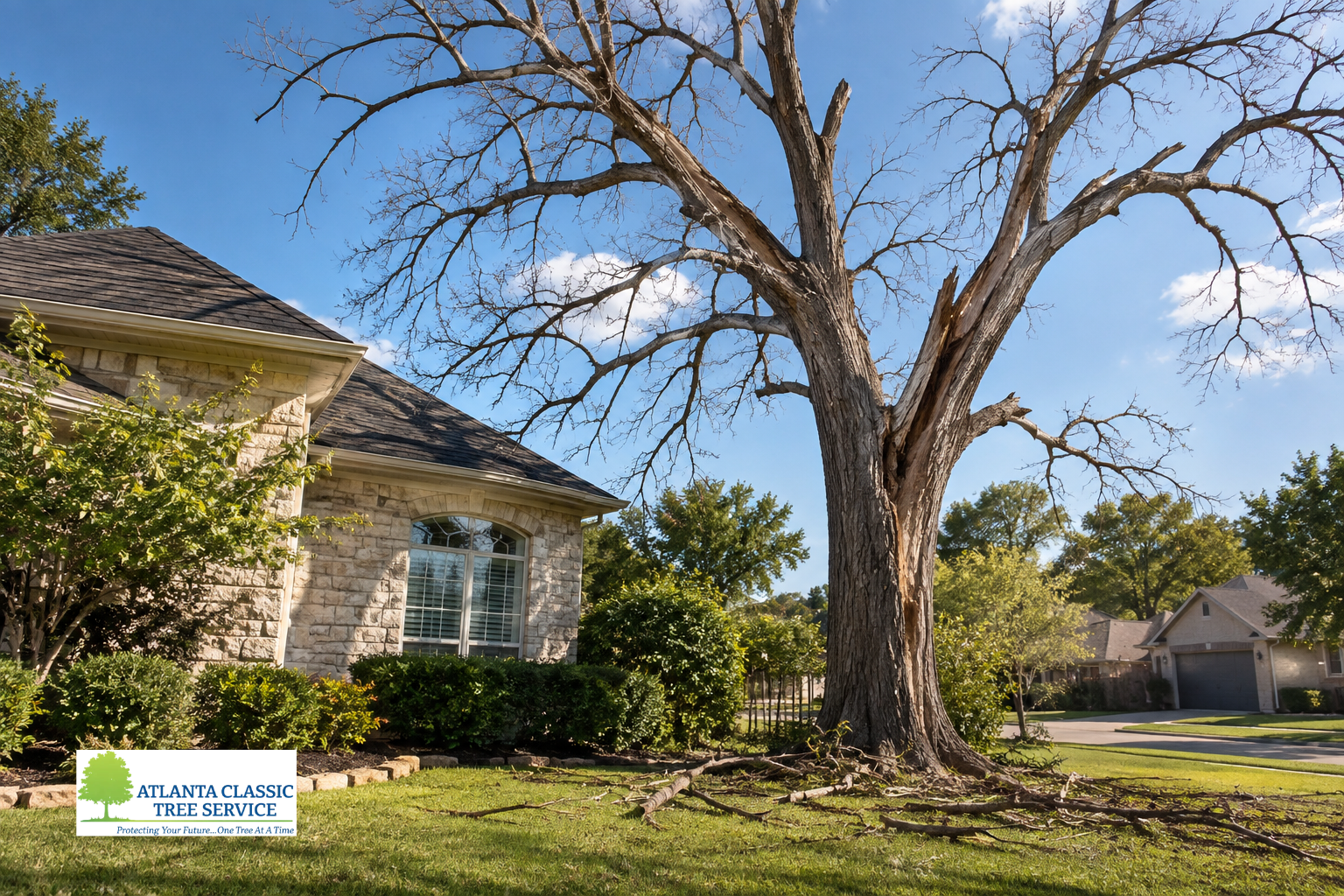
Tree removal often becomes necessary when a tree is dead, diseased, leaning, or storm-damaged, or is just too close to a structure. The risk isn't only to the tree but also to people, roofs, fences, vehicles, utilities, and nearby property. Professional crews are trained to spot these hazards before making the first cut, reducing the chance of injury or costly damage.
Many underestimate the risks of DIY tree removal. Even a medium-sized tree can shift unexpectedly, with hidden decay altering how the trunk falls. The Occupational Safety and Health Administration (OSHA) states that tree care work ranks among the most hazardous jobs, emphasizing the need for strict procedures and protective equipment. You can explore more about workplace safety on the OSHA tree care and arborist resources page and safety tips from the International Society of Arboriculture.
Tree Health and Landscape Impact
Not every troublesome tree needs immediate removal. Certified arborists start by checking if pruning, support systems, or fertilization could help. Sometimes, preserving the tree and reducing risks through targeted care is a better choice. That's why services like deep-root fertilization and pruning are part of a comprehensive tree management plan rather than one-off fixes.
Professional tree removal also considers the bigger picture. Cutting down a tree without planning can affect sun exposure, drainage, and the whole property's appearance. A good crew thinks about these factors and might suggest replacement planting or other improvements once the tree is gone. Eco-friendly practices, like recycling wood and debris, are becoming common as they cut waste and support a healthier environment.
How a Professional Tree Removal Service Begins
On-site Assessment and Risk Evaluation
It all starts with a thorough inspection. A trained arborist or technician will examine the tree's structure, trunk condition, root system, lean, canopy density, and its proximity to buildings or power lines. They'll also look for signs of decay, insect damage, storm impact, and soil instability. This assessment shows whether removal is urgent, if specialized equipment is needed, and whether the tree can be dismantled in sections rather than felled all at once.
Many property owners are surprised by how detailed this evaluation can be. That's a good thing. Good planning helps the crew choose the safest approach and avoid unnecessary disruption. In complex settings, drones, GPS mapping, and digital photography can support better planning and documentation, especially for larger commercial properties.
Permits and Local Compliance
Depending on where you live, removing a tree might require a permit. This is crucial for protected species, large trees, or properties in regulated neighborhoods. For instance, in parts of North Fulton and nearby areas, local rules might demand documentation before work starts. A professional service should know how to manage these requirements and help you stay compliant.
This support matters because permit mistakes can lead to fines, delays, or disputes with neighbors and local authorities. Typically, a reputable team will explain what paperwork is needed before scheduling the job. If you need help with local tree care planning, you can check out services in your community, like tree service in Downtown Alpharetta or tree care in Windward.
Modern Equipment and Safe Removal Techniques
Cranes, Bucket Trucks, and Rigging Systems
One of the biggest changes in the industry is the advanced equipment. Cranes allow crews to remove large tree sections with precision and less risk to nearby structures. Bucket trucks and aerial lifts help workers reach high limbs safely, while specialized rigging systems let the team lower heavy pieces in a controlled way. These tools are especially handy in tight spaces where a tree can't just be dropped into an open yard.
This equipment does more than make the job easier. It can also reduce property damage, shorten project time, and improve safety for both the crew and client. For example, taking down a large oak near a home, driveway, or power line might be safest with crane assistance, allowing the tree to be dismantled in sections rather than a single, unpredictable fall.
Personal Protective Equipment and Jobsite Control
Professional crews should come equipped with helmets, eye protection, hearing protection, gloves, chainsaw-resistant gear, and other PPE as needed. They should also set up a controlled work zone, keep bystanders away, and communicate clearly throughout the project. These safety measures aren't extras; they're part of the standard procedure for competent tree service companies.
For homeowners, this means you should expect the crew to explain the plan before work begins. They might ask you to move vehicles, keep pets indoors, and stay out of the work area until the job is done. These instructions are designed to protect everyone on-site and keep the removal process smooth.
What Tree Removal Costs Typically Include
Factors That Influence Pricing
Tree removal costs can vary widely because no two jobs are the same. Common factors include tree size, species, health, height, lean, proximity to structures, equipment access, and the need for specialized rigging or crane support. A small tree in an open yard will almost always cost less than a towering tree wedged between a house and a utility line.
Labor complexity also affects cost. If the crew must work around hardscapes, fences, landscaping features, or limited driveway access, the job might require extra time and equipment. Storm-damaged trees can also be more expensive since broken limbs and unstable trunks are harder to handle safely. Requesting multiple estimates can help you understand what's fair, but the lowest bid isn't always the best value if it skips critical safety steps or cleanup.
What a Good Estimate Should Show
A professional estimate should be clear and detailed. It should state whether the quote includes cutting, hauling, debris removal, stump grinding, and cleanup. It should also identify any extras, like permit assistance or emergency response fees. If the company is insured, it should explain that coverage and provide proof if you ask.
Be cautious if an estimate seems vague or unusually low. A proper quote should reflect the full scope of the work and should not hide costs until the end. If you're comparing estimates, ask whether the company can also coordinate follow-up services like tree removal for hazardous trees or recommend a next-step solution such as stump grinding once the trunk is gone.
Eco-Friendly and Responsible Tree Removal Practices
Recycling Wood and Debris
Modern tree removal is increasingly focused on environmental responsibility. Instead of sending everything to the landfill, many companies chip limbs into mulch, recycle logs into usable wood, or repurpose organic debris for other applications. This approach reduces waste and can give property owners a more sustainable outcome.
Some crews also offer wood shavings or mulch delivery as part of their cleanup process. In some cases, the leftover material can be used for erosion control, garden beds, or animal stalls. If this kind of reuse is useful for your property, it's worth asking about wood shavings delivery before the job starts. Responsible disposal is a clear sign that a company understands both customer service and environmental care.
Replacement Planting and Long-Term Planning
Removing a tree doesn't mean losing its environmental benefits altogether. Many companies now encourage replacement planting to restore shade, support habitat, and maintain curb appeal. This is especially important in neighborhoods where mature trees add to the community's character.
Local and state forestry organizations often recommend planting the right species in the right place, which helps avoid future conflicts with foundations, sidewalks, or utility lines. For general guidance on trees, urban forestry, and canopy benefits, the U.S. Forest Service urban forestry resources offer a helpful overview. Sustainable removal should be followed by a plan for what comes next, not just a clean exit.
Real-World Examples of Professional Tree Removal
Urban Crane Removal Near Power Lines
Imagine a mature oak in a crowded neighborhood leaning toward a home and threatening nearby power lines. In that situation, a professional company might use a crane to take down the tree piece by piece. This reduces risk, limits the need for climbing in unstable conditions, and prevents the trunk from damaging the roof or utility infrastructure.
This kind of job shows why specialized training matters. The crew must coordinate lifting, rigging, and ground communication with precision. A homeowner watching from the porch might only see a large machine at work, but the real value lies in the careful planning that made the removal possible without turning a dangerous tree into a bigger emergency.
Storm Damage Response
Another common scenario is storm response. After severe weather, fallen trees might block driveways, damage fences, or close off access roads. In these cases, an emergency tree service can quickly clear hazards and restore normal property use. The first goal is safety; the second is minimizing additional damage during cleanup.
Emergency work often requires rapid triage. A crew might stabilize broken limbs first, remove trunk sections next, and return later for full stump grinding or debris hauling. Property owners needing urgent help often benefit from a company offering stump grinding and broader cleanup options so the project can be finished without needing multiple contractors.
How to Choose the Right Tree Removal Company
Credentials, Insurance, and Experience
Not all tree companies operate at the same level. When choosing a provider, look for proof of insurance, evidence of training, and affiliation with respected organizations like the TCIA and ISA. These affiliations show a commitment to professional standards, ongoing education, and safer methods. Experience also matters because older, more established companies are more likely to have dealt with difficult removals, permit issues, and weather-related emergencies.
Insurance is especially important. If a crew damages a roof, fence, or neighboring structure, you want to know the company has coverage in place. Always verify that the business is fully insured and ask questions if something is unclear. A transparent company will welcome those questions rather than avoid them.
Communication and Customer Education
Good service is not just technical skill. It also involves clear communication before, during, and after the job. The best crews explain their plan in plain language, answer questions honestly, and help you understand whether a tree should be removed, pruned, supported, or monitored. That kind of education builds trust and helps property owners make better long-term decisions.
Professional tree companies also help clients understand related maintenance needs. For example, a tree that is not ready for removal may need pruning, structural support, or lightning protection. If you have tall or historic trees that need extra defense, a service like lightning protection can be a smart preventive measure. In many cases, the best company is the one that gives you the full picture instead of pushing the most expensive option.
Frequently Asked Questions About Tree Removal
How Long Does Tree Removal Take?
The time required depends on tree size, location, equipment needs, and cleanup scope. A simple job may be completed in a few hours, while a complex removal involving a crane or emergency response can take most of a day or longer. The initial assessment should give you a realistic timeline, and the company should tell you whether weather could cause delays.
Will the Company Remove the Stump Too?
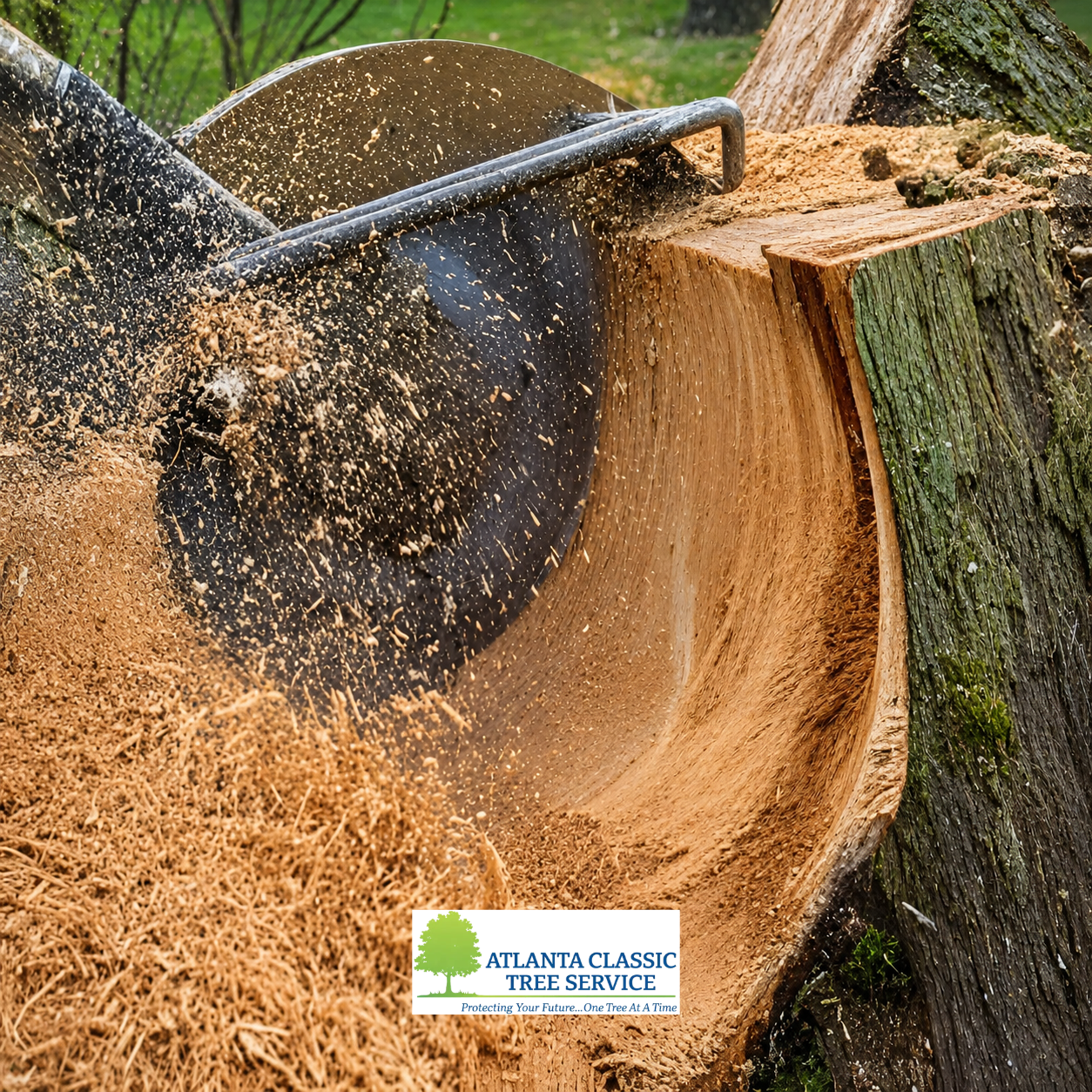
Sometimes stump removal is included, but often it is a separate service. If you want the area fully reclaimed for landscaping, mowing, or construction, ask specifically about stump grinding. Removing the stump can also help prevent pest activity and make the yard safer and more attractive.
Do I Need to Be Home During the Work?
Not always, but it is helpful to be available for the estimate, the walkthrough, and any questions that come up before the crew begins. If you cannot be present, make sure the company knows how to access the property and has clear instructions about locked gates, pets, or special concerns. Good communication makes the process smoother for everyone involved.
Why Atlanta Property Owners Benefit from Local Expertise
Understanding Local Regulations and Conditions
In the Metro Atlanta area, local knowledge is more than a convenience. It can affect compliance, scheduling, species selection, and how crews respond to storm patterns and soil conditions. A company that works in the region regularly understands how neighborhood ordinances, development patterns, and weather events shape tree care decisions.
For example, a property manager in Alpharetta may need help with a hazardous tree near a parking area, while a homeowner in another part of town may want to combine removal with pruning and replanting. Companies that know the area can adapt their service recommendations accordingly. If you are exploring options nearby, related local pages such as Avalon tree service or Kimball Bridge tree care can help connect you with the right support.
Long-Term Landscape Planning
Experienced local crews also help property owners think beyond the immediate job. Removing one unsafe tree may create an opportunity to improve the rest of the landscape with better spacing, healthier plant choices, and stronger maintenance habits. That is where a company’s broader services become useful, because tree care is often an ongoing cycle rather than a one-time project.
If your goal is a healthier landscape after removal, it may make sense to schedule pruning, fertilization, or support work for the surrounding trees. Taking a broader view helps preserve property value and reduce future hazards. It also makes the removal feel like part of a smart plan rather than a last-minute fix.
Conclusion: What to Expect When You Hire a Professional
A professional tree removal service should give you more than a chainsaw and a crew. You should expect a thorough assessment, clear communication, permit guidance when needed, proper safety equipment, modern removal methods, responsible cleanup, and a practical plan for what comes next. Most importantly, you should feel confident that the job is being handled by trained people who understand both tree biology and jobsite safety.
Whether you are dealing with a storm-damaged oak, an unwanted tree crowding your yard, or a hazardous trunk near your home, the right company can make the process efficient and far less stressful. If you also need pruning, support, stump grinding, or follow-up care, it is worth choosing a provider that can handle the full picture instead of just the removal itself. That is how you protect your property, your investment, and the long-term health of your landscape.
If you are ready to speak with a trusted local team, consider Atlanta Classic Tree Service for professional tree care backed by decades of experience, certified arborist knowledge, and a commitment to safety. Explore the available services, ask questions, and schedule an evaluation to find the best solution for your property.