Heal thy trees are more than just pretty. They give you shade, support local wildlife, boost your home's appeal, and might even help keep your property's value up. But tree disease can sneak up quietly with small changes that are easy to miss until they get serious. Knowing what to look for means you can step in early, lower the risk, and often save the tree before it’s too late.
This guide breaks down how to spot early signs of tree disease, what new detection methods are out there, and when to call in a pro. If you want more than just a visual check, services like tree pruning and targeted fertilization can help make your trees stronger and more resilient while you keep an eye out for symptoms.
For more on tree care and health, the International Society of Arboriculture is a great resource, and the USDA APHIS offers info on pests and diseases affecting trees nationwide.
Why Early Tree Disease Detection Matters
Protecting the Tree Before It Gets Worse
Tree disease doesn’t usually start with big, obvious signs. Instead, you might see a small patch of discolored leaves, some thinning branches, or slightly weird bark texture. Catch these early, and you can do something about it while the tree still has a chance to bounce back. Once the disease hits the roots or trunk, it’s a lot harder—and maybe impossible—to fix.
Keeping Everyone Safe and Property Intact
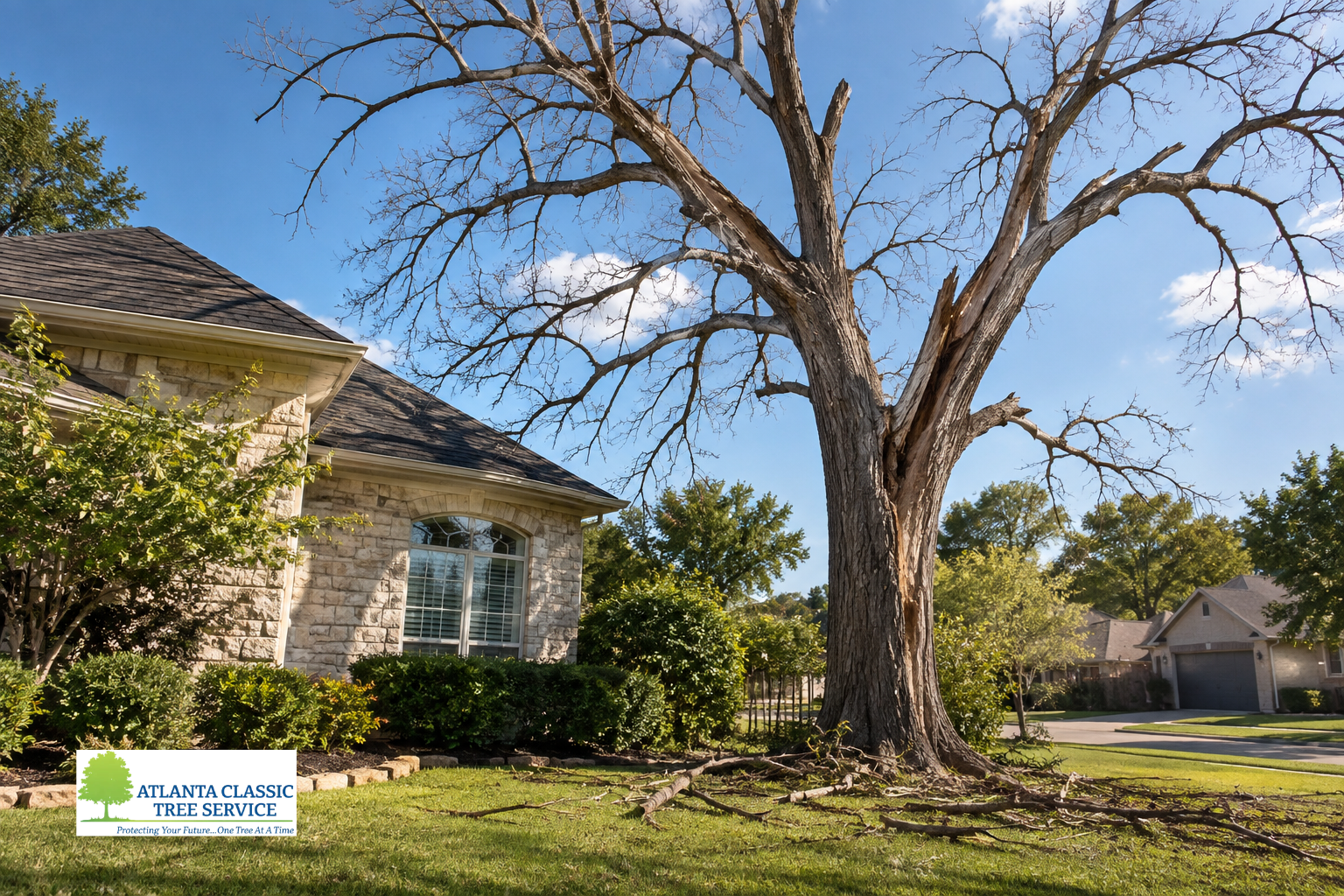
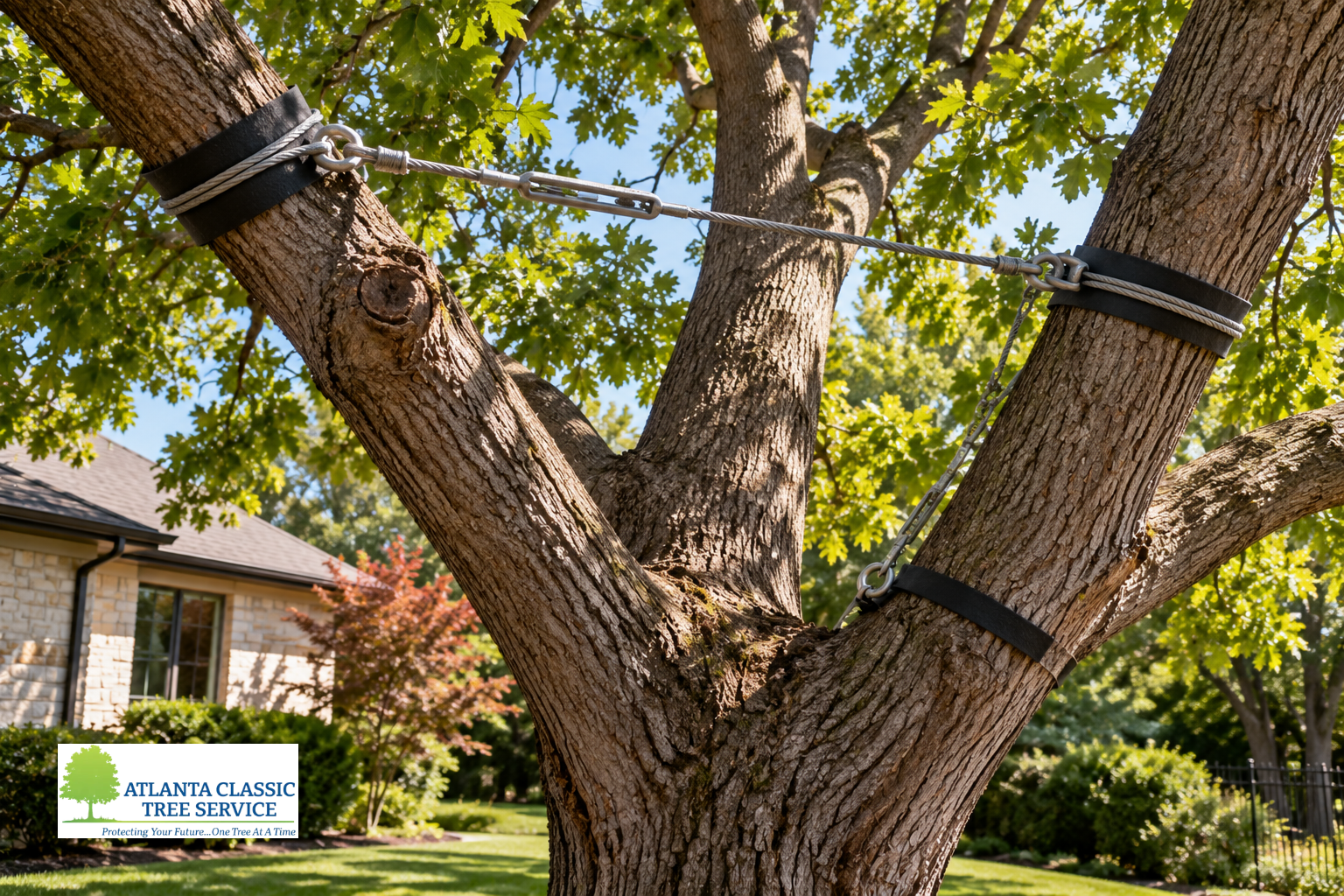
A sick tree can get weak. Branches might break, the canopy might fall unevenly, or the roots might lose grip. This can be dangerous for sidewalks, driveways, roofs, cars, and people. Keeping an eye on things early can help you decide whether to save the tree, use supports like cabling and bracing, or remove it before it causes an emergency.
Saves You Money Down the Line
Finding out what's wrong early is usually cheaper than emergency tree work. A tree caught early might just need pruning, better soil, or treatment. Let it go too long, and it might cost a lot more, especially if it becomes a hazard needing emergency tree removal. Acting fast also helps protect nearby plants and your garden from spreading issues.
Spotting Early Signs of Tree Disease
Leaf Color Changes and Early Leaf Drop
Watch out for unusual leaf colors. Yellowing, browning, wilting, spotting, or curling outside the usual seasons can be a sign. If a tree drops leaves early in the growing season, it might mean stress, fungal infection, root trouble, or a nutrient problem. Look to see if it’s just one branch, the lower canopy, or the whole tree.
Bark Issues: Cracks, Peeling, and Sunken Spots
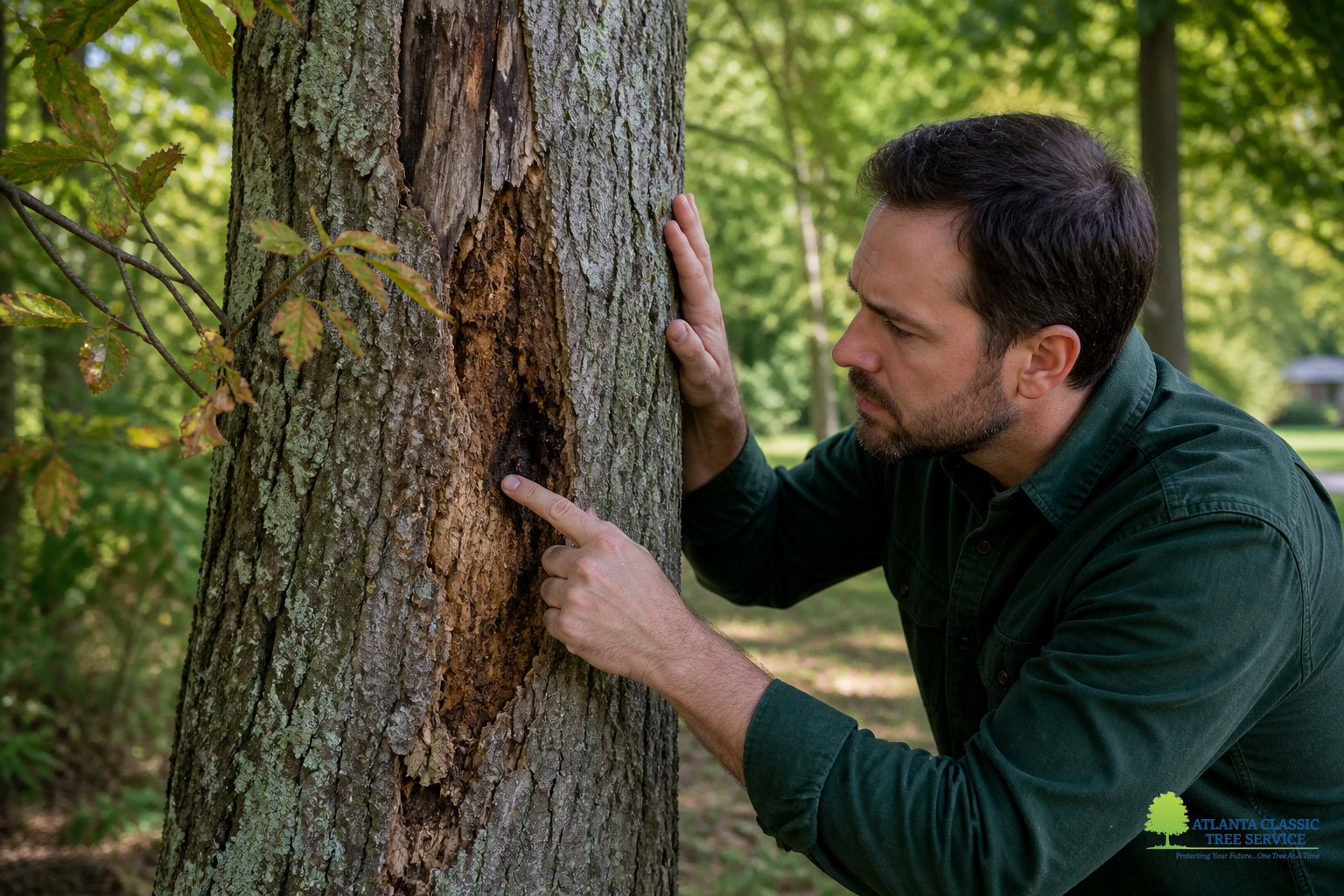
Bark protects the tree, so changes can point to bigger problems inside. Cracks, peeling, dead patches, and sunken cankers could mean infection or decay under the surface. While some bark peeling is normal for certain species, sudden or strange damage should be a red flag. It often means the tree is struggling to heal itself or fight off disease.
Fungal Growth on the Base or Branches
Mushrooms, shelf fungi, and other growths often mean decay or root rot. If fungi show up around the trunk, it might mean wood is rotting where it supports the tree’s weight. Don’t think visible fungi are harmless just because the canopy looks okay. Often, it’s a sign the inside structure is already compromised.
Sparse Canopy and Dead Twigs
A healthy tree usually has a full canopy and active twig growth. If the canopy thins out or branch tips start dying, it could mean disease, pests, or root stress. Thin canopy growth often creeps up slowly, so regular checks are key. It might be an early clue that the tree isn’t getting enough water or nutrients from the roots.
What's New with Early Disease Detection
Tech Makes Inspections Better
Tree care isn’t just about looking anymore. Image processing and machine learning tools are being used to spot disease patterns faster and more accurately. A study showed deep learning-based image analysis catching coconut leaf wilt disease and caterpillar infestations with about 90% to 95% accuracy. This innovation is key because it shows how quickly detection tools are improving in agriculture and arboriculture.
Smart Tools Help, But Experts Still Matter
Tech can spot patterns, track changes, and help decide which trees need checking, but it works best with an arborist’s trained eye. Algorithms might catch color shifts, thinning canopies, or unusual textures, but they can’t fully assess site conditions, species behavior, soil issues, or structural stability. That’s why professional tree health monitoring is important even as digital tools get better.
Research Backs Early Intervention
Early-warning systems have proven valuable in other plant-health contexts. For instance, USDA research on soybean rust shows early alerts help farmers make better decisions and cut losses. While trees are different, it’s the same idea: catching a problem early means a better chance of fixing it. You can learn more about agricultural warning systems through the USDA Economic Research Service, which shares data and insights on crop and pest management.
How to Check Your Trees: A Step-by-Step
Start with a Seasonal Visual Check
Check your trees at least once per season, and definitely after big storms or heat waves. Look at the canopy shape, leaf colors, bark condition, and around the trunk base. Walk around the tree from different angles to compare one side with another. Disease often shows more clearly when you see the whole structure, not just one view.
Look at Leaves, Twigs, and Branch Tips
Start at the canopy top and work down. Are the newest leaves smaller? Are branch tips dying? Are there spots, holes, or sticky stuff on the leaves? These details help tell disease from drought stress or insect trouble. If only one part of the tree looks affected, it might suggest a local issue rather than a whole-tree decline.
Check Trunk and Root Flare Conditions
The root flare is where the trunk widens into the roots at ground level, and it’s a key spot to inspect. Look for mushrooms, soft wood, soil heaving, wounds, cavities, or mulch piled against the trunk. These signs might mean root stress or trunk weakness. If the base looks unstable, get it checked soon.
Keep a Record of Changes Over Time
Take photos each season to track the gradual decline that’s hard to see day-to-day. Use the same angle and distance to compare canopy density, leaf color, and bark condition over time. Documentation is especially helpful when consulting a certified arborist, as it gives them a timeline of symptom development. This can make diagnosis and treatment more precise.
Common Diseases and Their Look
Leaf Spot Diseases
Leaf spot diseases are common and often create dark, irregular spots on leaves. Severe cases can cause early defoliation. In areas like Alpharetta, GA, leaf spot issues often pop up during wet periods or seasons with lots of moisture on leaves. Since many fungi cause similar symptoms, accurate ID usually needs an arborist’s help.
Root Rot
Root rot is serious because it attacks the tree’s foundation. Warning signs include slow decline, smaller leaves, early yellowing, sparse canopy growth, and fungi near the trunk. Trees can look stable above ground even when root rot is advanced below. That’s why a healthy-looking canopy shouldn’t be the only health indicator.
Wilt and Vascular Disease
Some diseases hit the tree’s vascular system, limiting water and nutrient flow. Wilt signs include drooping leaves, branch dieback, and uneven canopy loss. Vascular diseases move inside the tree, making them hard to catch before decline starts. Once water flow is cut off, recovery might be limited without quick action.
Canker Diseases
Cankers are dead, damaged, or sunken bark or stem areas that grow over time. They can be caused by fungi, bacteria, or an injury that opens the door to infection. Canker diseases can girdle branches or trunks if untreated, cutting off nutrients and leading to dieback. Early found cankers might be controlled by pruning infected limbs, depending on the species and severity.
Keeping Trees Healthy: Tips
Watering and Soil Care
Many tree issues start with stress. Compacted soil, poor drainage, and inconsistent watering can leave trees open to disease. Deep, infrequent watering is better than shallow, frequent watering because it encourages deep root growth. Soil health matters, which is why fertilization can be helpful when a tree needs support due to nutrient imbalances or poor growing conditions.
Prune Smartly and Timely
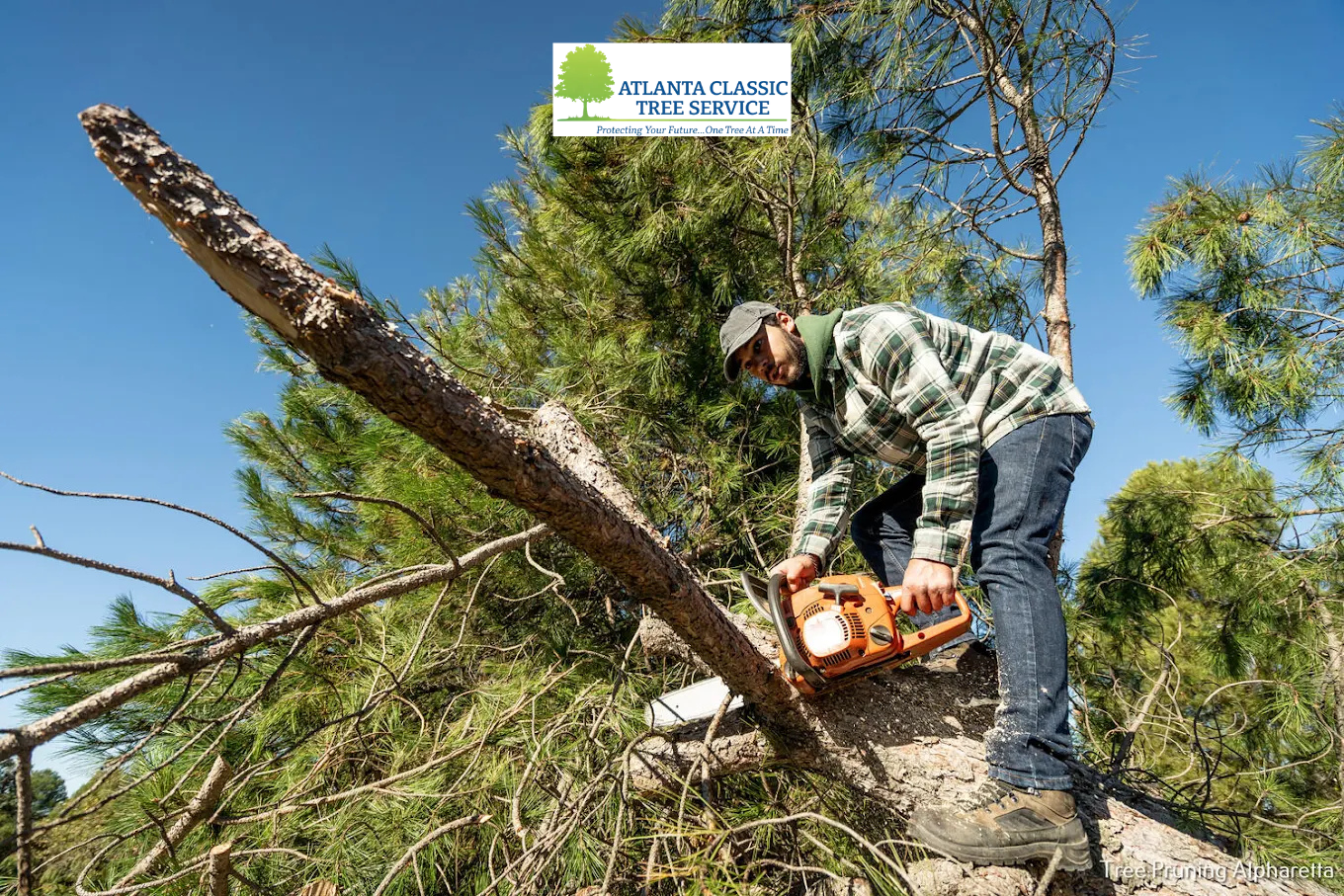
Removing dead, broken, or diseased limbs can improve airflow, reduce canopy stress, and limit infection chances. But prune with care to avoid unnecessary wounds or weakening the tree. If unsure, professional pruning can help maintain the tree’s shape while boosting health and safety. Strategic pruning also helps arborists spot hidden symptoms not obvious from afar.
Check After Storms and Heat
Weather stress can make existing disease symptoms clearer. After storms, check for broken limbs, torn bark, leaning trunks, and new cracks. During hot, dry periods, watch for wilted leaves, scorched edges, and sudden canopy thinning. Trees under environmental stress are often more vulnerable to pathogens, so post-storm and seasonal checks are practical for long-term tree health.
When to Call a Certified Arborist
Signs Are Spreading Fast
If symptoms spread from one branch to multiple limbs or move through the canopy quickly, don’t wait. Rapid decline might mean serious infection, root failure, or structural problems. An ISA-certified arborist can assess the tree, decide if treatment is realistic, and recommend next steps based on species, location, and risk. Early expert help can mean the difference between recovery and loss.
Seeing Fungus, Cavities, or Trunk Instability
Fungus near the base, large cavities, or an unstable trunk should be the top priority. These issues can mean internal decay not obvious from the outside. Sometimes, the tree may need structural support like cabling and bracing; other times, removal might be safest. The best choice depends on the extent of damage and the surrounding risk.
Need a Formal Risk and Health Assessment
A professional assessment is especially useful for large trees, trees near structures, and trees valuable to your garden. A certified arborist can identify causes, recommend treatment timing, and see if preventive care will help. If a tree is already hazardous, a control plan may include tree removal to protect the property while keeping healthy trees nearby.
What Alpharetta Property Owners Should Know
Local Weather Boosts Disease Pressure
Warm, humid conditions can spark fungal activity, while alternating wet and dry periods might stress roots and foliage. This makes regular checks crucial in North Georgia. Property owners should watch for leaf spots, fungal growth, and root symptoms after heavy rain or summer heat. Knowing what’s normal for your species and area is often the first step toward early detection.
Neighborhood Trees Need Proactive Care
In both residential and commercial settings, a sick tree can cause problems for nearby plants, turf, sidewalks, and structures. Trees in managed gardens often compete for water and soil space, so a stressed tree might show symptoms faster than one in a natural spot. For those wanting a strong long-term plan, regular service visits and ongoing checks can keep problems from escalating.
Professional Help Is Valuable
Working with a seasoned local tree company can simplify everything from diagnosis to treatment. Atlanta Classic Tree Service has decades of experience supporting healthy gardens and helping property owners make informed decisions. Whether it’s early disease detection, structural support, or general maintenance, a pro evaluation can help you act before things get worse. You can also find related advice in this pruning guide and this article on regular tree trimming.
Your Tree Disease Questions Answered
How Often Should I Check My Trees?
At least once each season. If the tree is mature, near structures, or has a history of stress, check more often. Seasonal checks help you compare changes over time and catch subtle decline before it gets serious. After storms or heat waves, an extra check is always smart.
Can Tree Diseases Spread to Other Plants?
Yes, many tree diseases can spread through spores, insects, contaminated tools, or nearby roots, depending on the disease. That’s why early ID matters for the infected tree and the whole garden. If you see unusual symptoms, avoid moving infected debris around and get a pro opinion soon.
What Should I Do First If I Notice Symptoms?
Start by taking photos and noting when symptoms first appeared. Then reduce stress by watering properly and avoiding root disturbances. After that, contact a certified arborist for a full assessment. If it’s about structure, not just disease, a service plan might include support work, pruning, or removal depending on findings.
Can a Diseased Tree Be Saved?
Sometimes, yes. It depends on the species, disease, how far it’s gone, and whether the tree is otherwise healthy. Catching it early greatly increases recovery odds. If found late, the safest bet might be removal to protect the rest of the garden.
Act Early to Protect Your Trees
Spotting tree disease early is one of the best habits a property owner can adopt. Watching for leaf discoloration, bark issues, fungi, thinning canopies, and other signs gives the tree a better chance to recover. You also lower safety risks, protect nearby plants, and avoid costly emergency work later.
If you want expert support, Atlanta Classic Tree Service offers the know-how and tools to evaluate tree health, suggest practical solutions, and help preserve valuable trees whenever possible. For help with disease concerns, seasonal care, or structural support, reach out to a trusted arborist before things get worse. Acting early is almost always the best investment in your garden.
Ready to protect your trees? Call (770) 497-1941 or visit Atlanta Classic Tree Service to schedule a professional tree health assessment today.