How to Know When Your Tree Needs Pruning
Spotting when your tree needs a trim is crucial for keeping your landscape safe and healthy. Trees often show warning signs before problems get serious, and knowing what to look for can save you time, money, and stress. Whether you're managing a backyard or a commercial space, a good pruning plan adds years to your trees and keeps them looking great. If you ever need expert help, our tree pruning services can handle tricky limbs while preserving the tree’s natural look.
Pruning isn’t just about looks. It’s a big part of keeping your trees healthy and safe, especially in places where storms, heat, and seasonal changes can mess with their branches. According to advice from the Morton Arboretum, it’s better to selectively prune, focusing on specific branches that need attention, which helps maintain the tree’s shape and supports stronger growth.
Why Pruning Matters More Than You Might Think
Timing Affects Health, Structure, and Safety
Your tree doesn’t need a strict pruning schedule. Instead, you should prune when you see certain signs, like dead or crowded branches. These can weaken the tree, invite decay, and limit the flow of air and light, making the tree more prone to problems. Regular pruning helps the tree focus its energy on healthy branches.
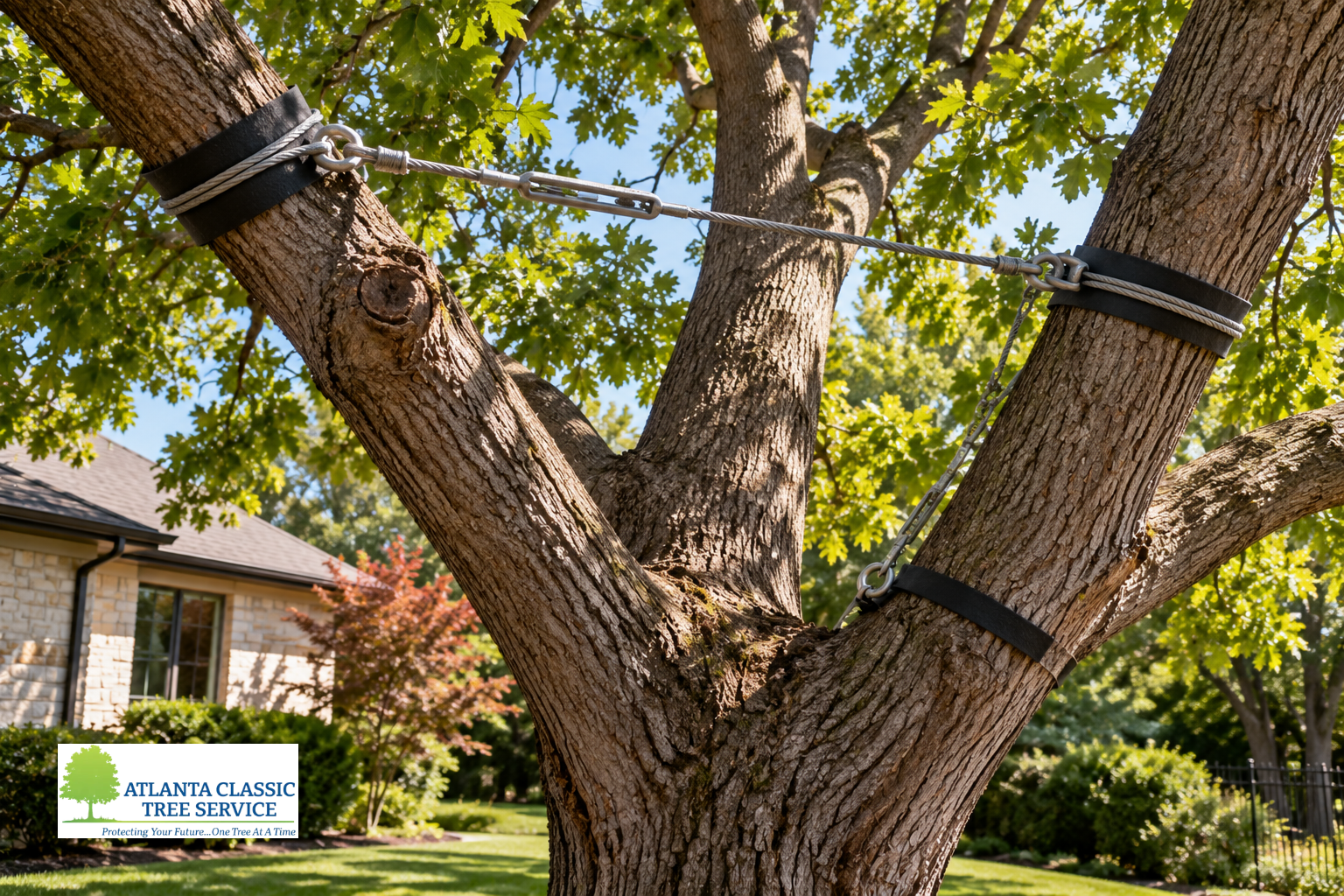
Professionals use pruning to ensure clearance, shape young trees, and reduce the chance of branch failure in storms. For homeowners, this means fewer emergency calls. For businesses, it means less liability and a nicer landscape. If a tree seems unstable, it might need more attention, such as removal, cabling, and bracing.
Selective Pruning: The Best Way Forward
Today’s trend in arboriculture is selective pruning, which means removing branches that are dead, diseased, or weak. Unlike shearing, which cuts branches evenly, selective pruning helps trees grow better naturally. According to the International Society of Arboriculture, this method improves tree health and prevents damage from poor cuts.
Signs Your Tree Needs Pruning
Dead, Broken, or Hanging Branches
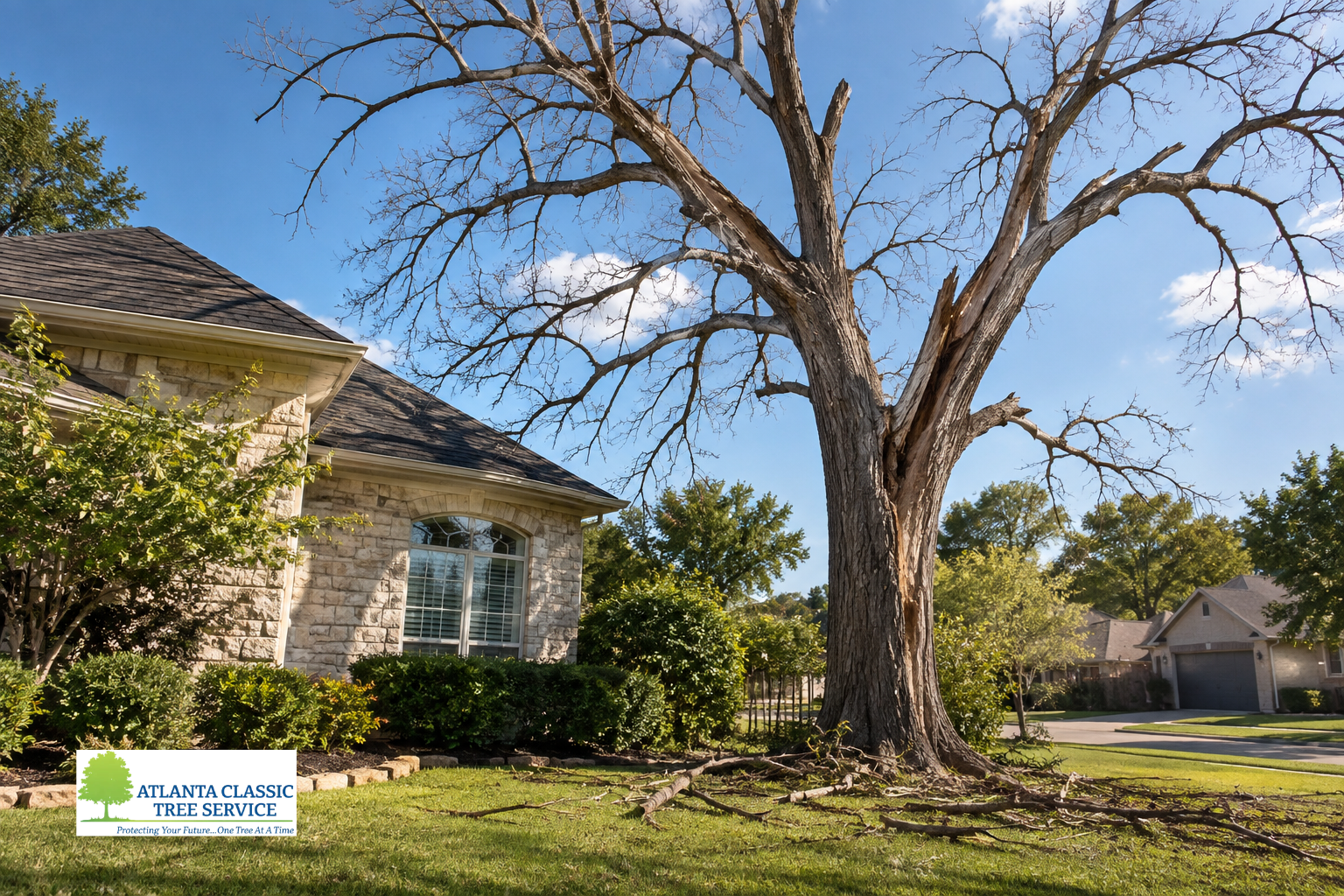
Dead branches are easy to spot because they’re brittle, dry, and gray. Broken or hanging limbs are dangerous—they can fall and damage property. If you see instability after a storm, it’s time to assess the situation.
Removing dead wood prevents decay from spreading and instantly improves the tree's look. Some owners also choose to pair pruning with stump grinding or wood shavings delivery for mulch and erosion control.
Branches That Cross, Rub, or Grow Inward
When branches crowd each other, they can rub and create open wounds, letting in pests and disease. Over time, inward-growing branches weaken the tree's structure. Pruning fixes this, helping the tree allocate resources efficiently.
Dense Canopies Blocking Light and Airflow
If little sunlight reaches the ground, the canopy might be too dense. This can trap moisture and block air, inviting disease and preventing other plants from growing. Thinning out the canopy improves light and air circulation.
Seasonal Clues for Pruning Time
The Dormant Season is Ideal
Most arborists suggest pruning during dormancy, usually late winter to early spring. The tree isn’t focused on leaf growth, so cuts create less stress. According to Homes & Gardens, avoid pruning during active disease outbreaks or environmental stress.
Spring Growth Reveals Hidden Issues
New buds and leaves in spring can show underperforming branches. Sparse leafing or delayed budding may need attention. But be cautious—spring isn't always ideal for every tree.
Summer Stress Shows Weak Limbs
Hot, humid weather can expose problems like wilted leaves or weak attachments. In regions with warm summers, it’s key to watch for fungal growth and canopy issues. If your tree shows stress, an arborist can recommend the right action.
How to Inspect a Tree for Pruning
Start with the Trunk and Major Limbs
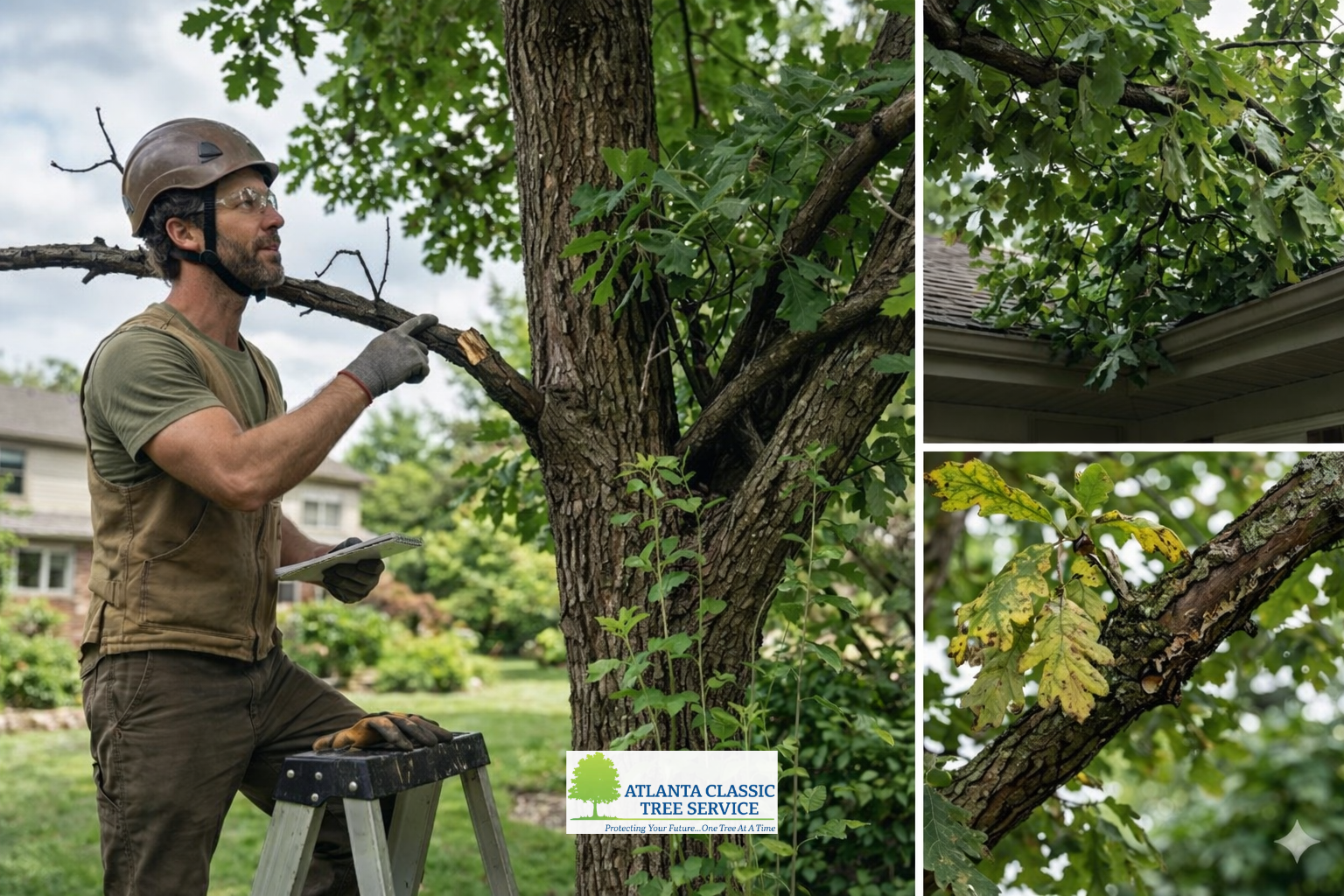
Begin by looking at the trunk for cracks, cavities, or peeling bark. Check major limbs for large wounds or splits. Viewing the tree from different angles helps spot imbalances.
Check the Branch Tips and Leaf Pattern
Branch tips show stress early—look for sparse leaves or dead tips. Uneven leaf development can signal disease or stress.
Look for Storm, Pest, and Disease Indicators
Storm damage, pest holes, or fungal growth are signs that pruning is needed. The Davey Tree resource explains that removing dead or diseased branches boosts growth and health.
Common Pruning Mistakes
Waiting Until It's Dangerous
Don’t wait until branches are a hazard. This makes pruning more costly and complex. Regular checks catch issues early, saving you from emergencies.
Removing Too Much at Once
Over-pruning stresses trees and reduces their energy production. Certified arborists know how much to trim without harming the tree.
Using the Wrong Tools or Cut Style
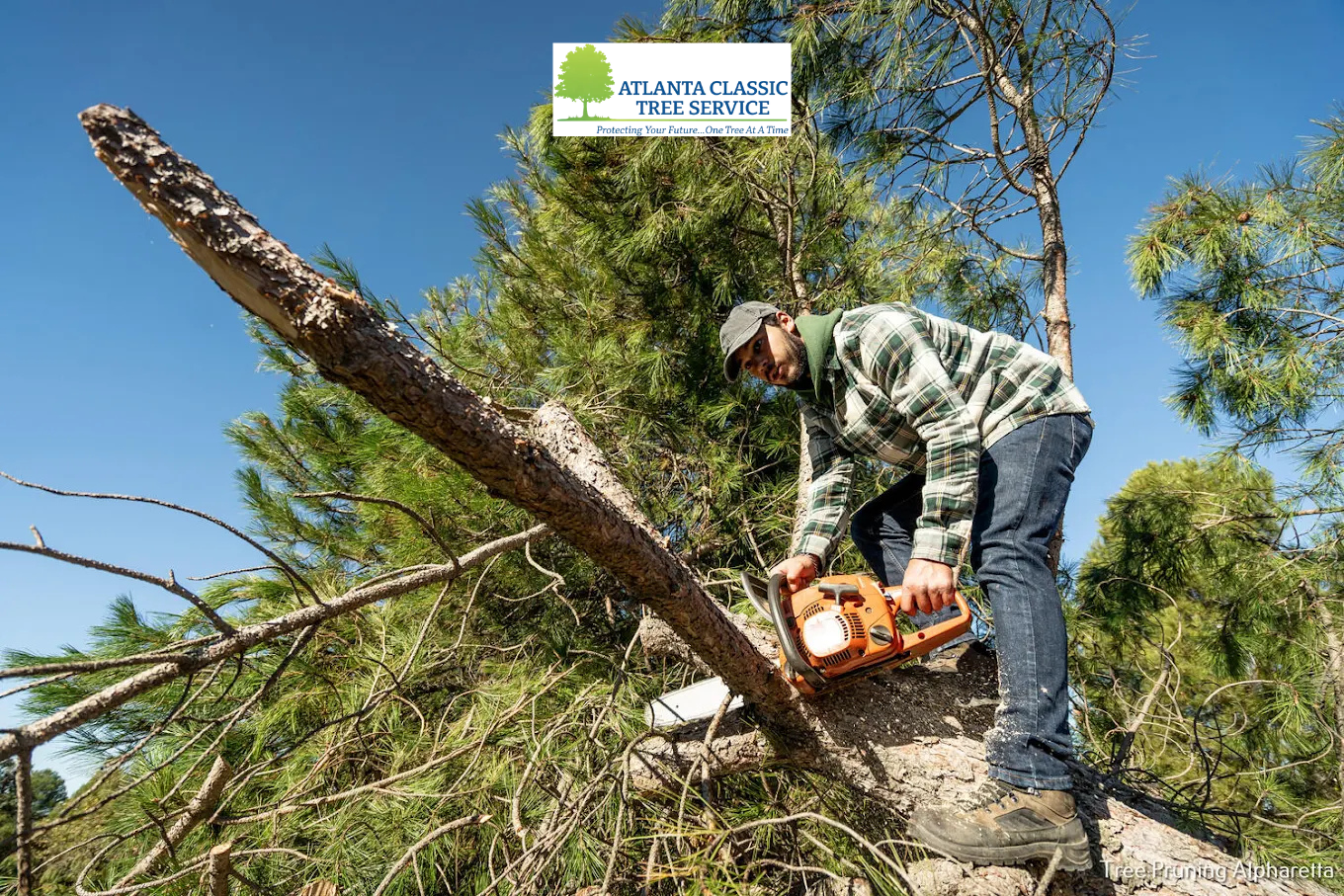
Improper tools can damage the tree, leaving slow-healing wounds. DIY pruning often lacks the right equipment and skill. For valuable or large trees, professional pruning is safer.
Why Certified Arborists Make a Difference
Training Protects Tree Health
Certified arborists understand tree biology and growth habits, ensuring pruning is done right. For homeowners, this means fewer problems and better protection.
Professional Pruning Supports Long-Term Health
Good pruning boosts structure and lifespan. Research from the Morton Arboretum found a 30% reduction in storm damage for mature oaks with selective pruning.
Local Expertise Matters
In warmer climates, like Georgia, trees grow year-round and need different care. Local knowledge ensures pruning is timed and executed correctly. For expert help, Atlanta Classic Tree Service has been a trusted choice since 1987.
Simple Pruning Checklist for Homeowners
Quick Inspection Routine
- Look for dead, broken, hanging, or cracked branches.
- Check for rubbing, crossing, or inward-growing limbs.
- Watch for sparse foliage or leaf drop.
- Inspect canopy density and airflow.
- Note any storm damage or pest activity.
- Consider the season and tree condition.
If you spot these issues, prune soon to prevent hazards and expenses.
Know When to Call for Help
For big, high, or diseased branches, call a professional. Safety gear, skill, and proper cuts are crucial. If you’re unsure, get a professional evaluation for the safest approach.
Frequently Asked Questions About Pruning
When is the Best Time to Prune?
Usually, during dormancy, late winter to early spring, to minimize stress. But remove dangerous limbs anytime.
How Do I Know If a Branch Is Dead or Diseased?
Dead branches are brittle and leafless. Diseased ones may have discoloration or fungus. A certified arborist can help identify these issues.
Can Pruning Help Prevent Storm Damage?
Yes, proper pruning reduces canopy weight and removes weak spots, lowering storm damage risks.
Should I Prune Every Year?
Not necessarily. It depends on the tree’s condition and location. Regular inspections are key.
Final Thoughts: Act with Care
Spotting when a tree needs pruning involves observation and timing. Dead limbs, crowded branches, and disease signs need timely action. Pruning done right can improve health and reduce safety risks.
If your tree shows warning signs or if you want expert advice, consider scheduling an assessment. Atlanta Classic Tree Service can guide you on the best approach, whether it's pruning, support, or other solutions. For more, explore our pruning options or read our article on why regular tree trimming matters.