Why Hiring Professionals for Tree Removal is Crucial
If your tree has become a safety hazard, is diseased, or has simply outgrown its space, getting it professionally removed is often the smartest move. This helps keep your home, nearby buildings, power lines, and the people around you safe. Plus, it keeps your yard looking tidy, especially if the tree is leaning or was damaged by storms.
When you're thinking about options, knowing what to expect from a professional tree removal service can help you plan and ask the right questions. Sometimes, a tree that looks okay from the ground might have hidden issues like decay or unstable roots that only show up during an assessment. If you're considering other tree care services like tree removal, pruning, and cabling & bracing can be part of deciding what to do next.
Professional teams use standards, training, and gear to minimize risks. Organizations like OSHA offer guidance on safety when working with chainsaws and lifts, which is vital in tree care. Check out OSHA’s tree care resources for more info. That’s why hiring experienced pros is much safer than trying to remove a tree yourself.
Step 1: Inspection and Tree Risk Assessment
Checking Health, Stability, and Location
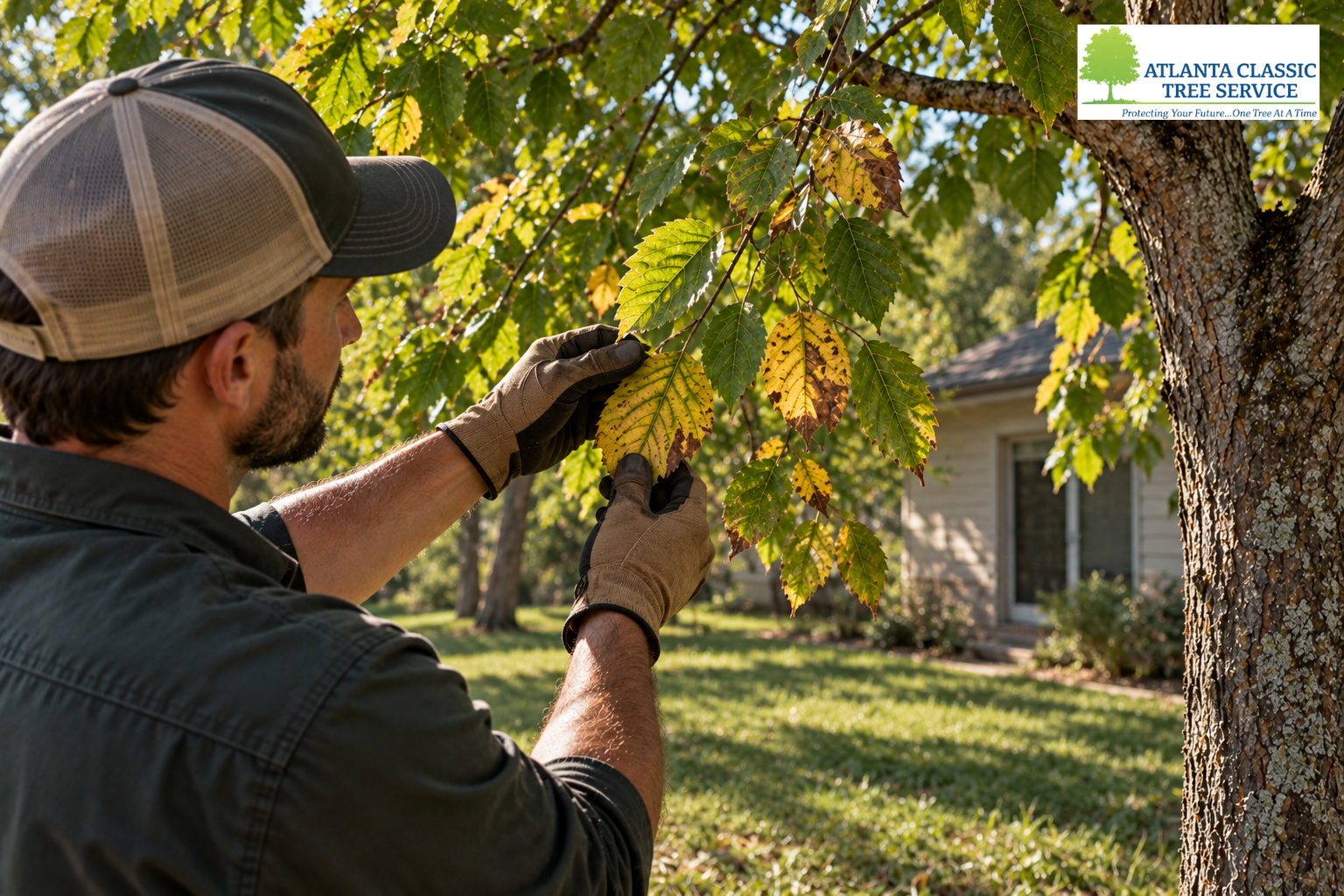
The process kicks off with a close look at the tree and its surroundings. A certified arborist or tree expert will look for signs like decay, pest damage, trunk splitting, and dead limbs. They'll also check how close the tree is to houses, fences, pools, and power lines since the location affects how it should be removed. This inspection helps decide if the tree can be taken down in sections, needs rigging, or requires a crane or bucket truck.
Sometimes the decision isn’t clear-cut at first. A tree might have green leaves but be weak below the bark or at the roots. If you've noticed signs of disease or thinning leaves, you might want to check out resources like spotting tree disease early, before things get worse. Arborists often use a mix of visual checks and a history of storm exposure to make a practical recommendation.
Permits and Local Rules
Depending on where you live, you might need a permit to remove a tree, especially if it’s alive and on residential or commercial land. Local rules aim to balance property rights with environmental protection. Professionals should help you understand these requirements before starting any work.
For more on why these rules exist, check out the U.S. Department of Agriculture’s forestry info. This helps explain why responsible tree removal is important for safety and the community.
Step 2: Planning the Removal Method
Picking the Right Tools
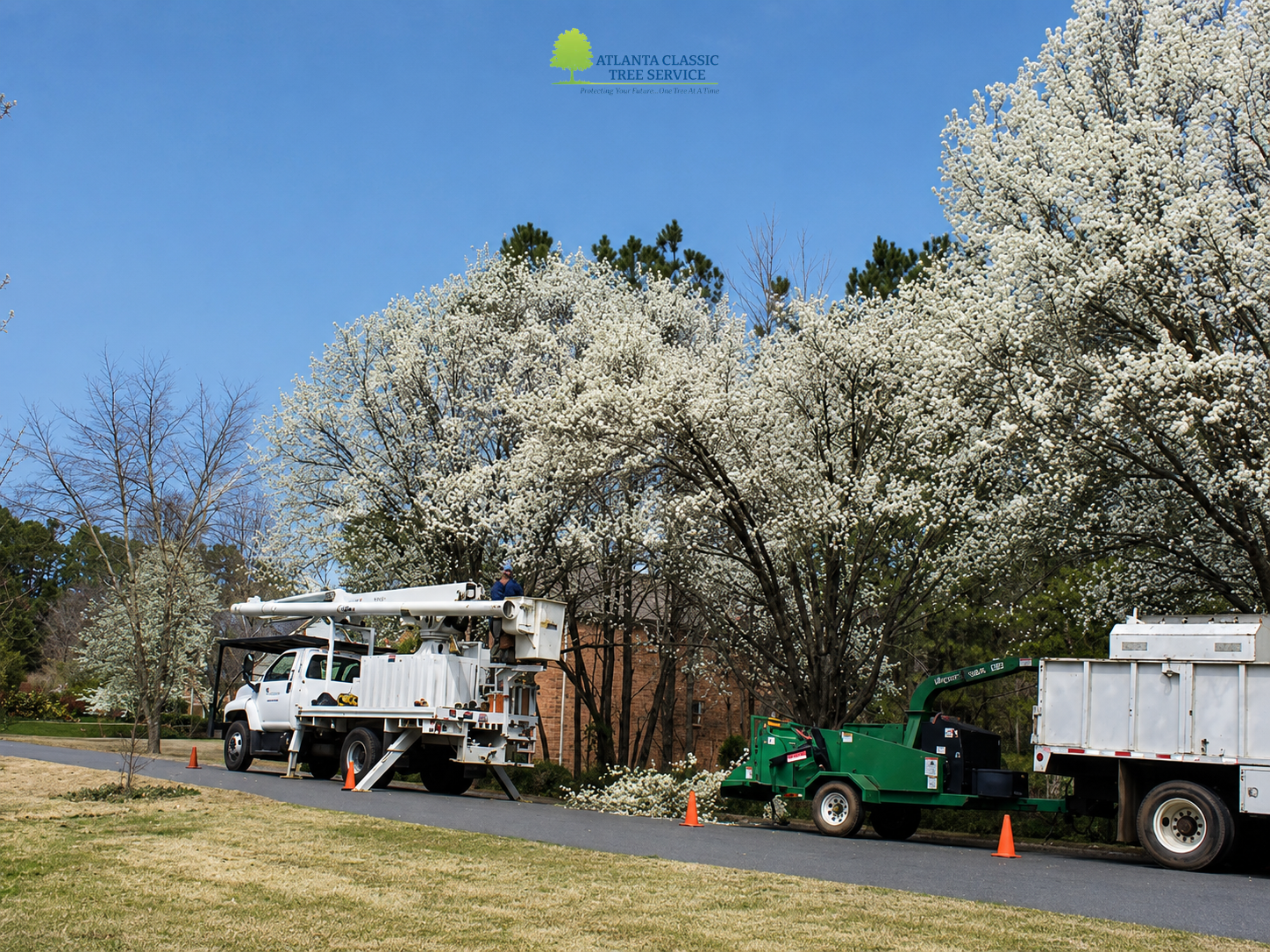
Not every tree removal is the same. Thanks to modern equipment, the process is safer and more efficient, especially in tight spots where a whole tree can’t be dropped in one go. Crews might use cranes, bucket trucks, climbing gear, and rigging to take the tree apart bit by bit, minimizing damage to roofs and yards.
The equipment used depends on the tree’s size, species, and location. For example, a tall tree in a backyard with narrow access might need rigging and careful dismantling, while a more open space could allow for quicker removal. If you're worried about roots affecting nearby structures, our article on how tree roots impact buildings could be helpful.
Prepping the Area and Protecting Property
Before cutting, the crew will spot hazards and make a work plan. This might mean moving cars, covering plants, laying down mats, and marking drop zones. Utility lines might also be checked if roots or branches are close to services. The aim is to take down the tree without causing extra damage.
Weather is also a factor, as wind, rain, and lightning can change conditions. Many companies offer 24/7 emergency response for storm-related tree issues, ready to act when limbs threaten structures or block driveways.
Step 3: Safety on Removal Day
Training and Equipment Checks
Safety is key in tree removal. Crews check helmets, ropes, harnesses, saws, and lifts before starting. Clear roles help keep communication straightforward, and each cut is made with care to avoid injuries and equipment failure.
Industry standards from groups like OSHA and the Department of Transportation ensure safety when vehicles and roadside work are involved. The Tree Care Industry Association offers resources reflecting the professional standards many companies follow.
Keeping You in the Loop
Good communication is a hallmark of quality service. Crews should explain the process, how long it’ll take, and areas to steer clear of. If the tree is unstable or storm-damaged, plans may change, but you’ll be informed rather than left guessing.
This communication is even more crucial for commercial sites and HOA properties where traffic flow and access must be considered. Services like stump grinding and detention/retention pond maintenance might also be part of a broader plan.
Step 4: Cutting, Rigging, and Sectional Removal
Taking the Tree Down
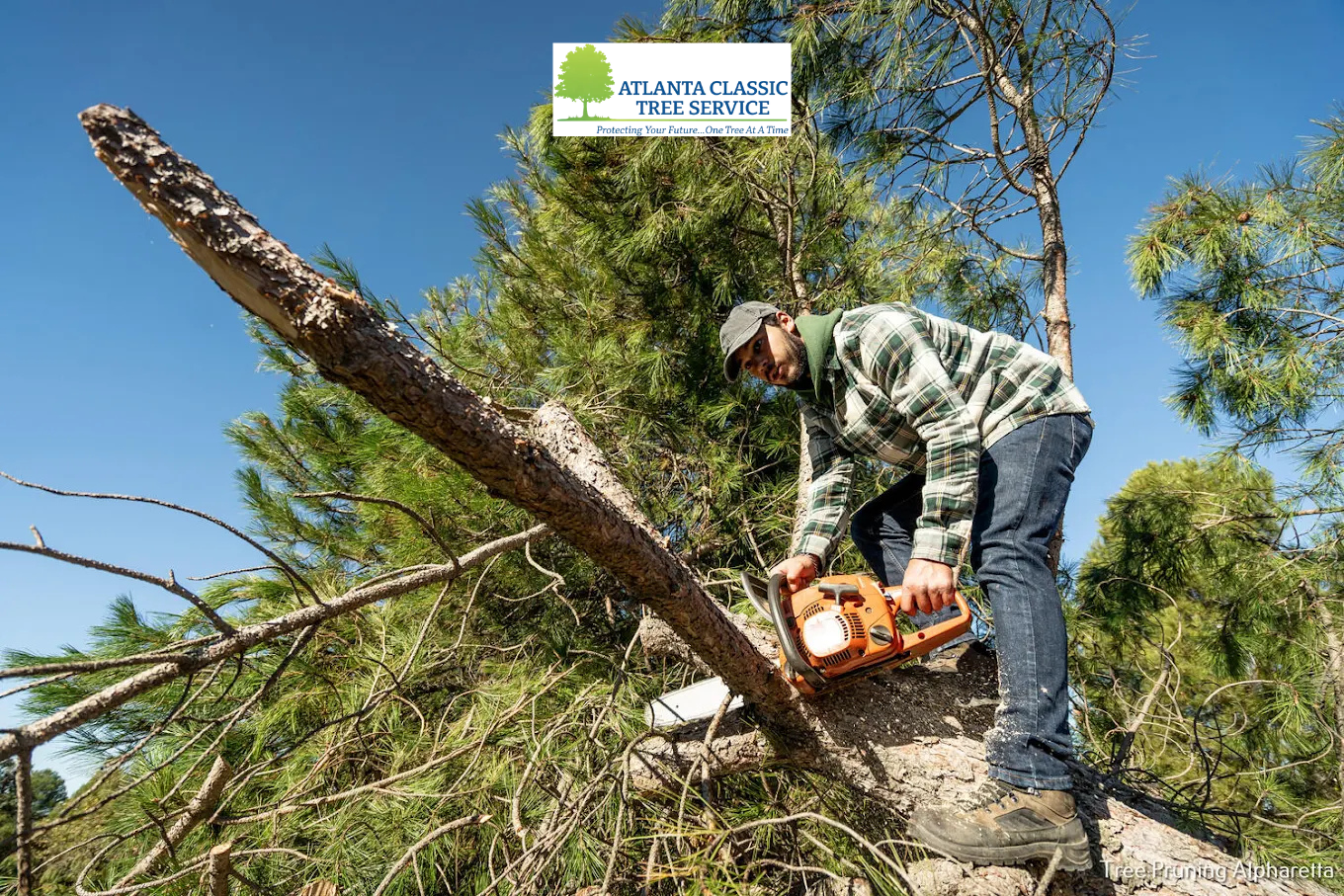
Once prepped, the crew starts the removal. In open spaces, a tree might be felled in one direction. In tighter spots, trees are removed in sections, often with ropes to guide pieces down gently. This method is slower but offers more control.
Advanced rigging techniques let crews lower heavy pieces safely. Cranes are used for large, awkward trees. These methods are crucial in urban areas where precision matters.
Handling Debris
As the tree comes down, branches and wood are cut into manageable pieces for hauling. Larger chunks might be recycled, while smaller bits can be chipped or turned into mulch. Many companies now focus on eco-friendly practices, repurposing debris instead of dumping it.
If your project is part of a bigger yard makeover, check out our tips on managing tree debris after projects. A tidy finish is key because tree removal isn’t done until the site is clean and safe.
Step 5: Stump Grinding and Cleanup
Why Remove the Stump?
Getting rid of the tree trunk is just part of the job. The stump can be an eyesore or a tripping hazard, and might even regrow. Stump grinding fixes this by getting the stump below ground level, leaving wood chips that can be used as mulch or removed.
Depending on your goals, stump grinding can happen right after removal or later. In lawns, cleanup might include leveling the ground and planning what to plant next. For curb appeal, this step is crucial since stumps can be a visual nuisance long after the tree is gone.
Final Cleanup
A professional crew will not leave a mess of branches, sawdust, and bark. Cleanup includes hauling away debris, raking, clearing chips from paths, and checking for hidden hazards. If the tree was close to a structure, the team might inspect for incidental damage.
The crew might also suggest next steps, like fertilization for the lawn or pruning nearby trees. A thoughtful cleanup helps the yard recover quickly.
Emergency Tree Removal and Storm Damage Response
When Timing is Critical
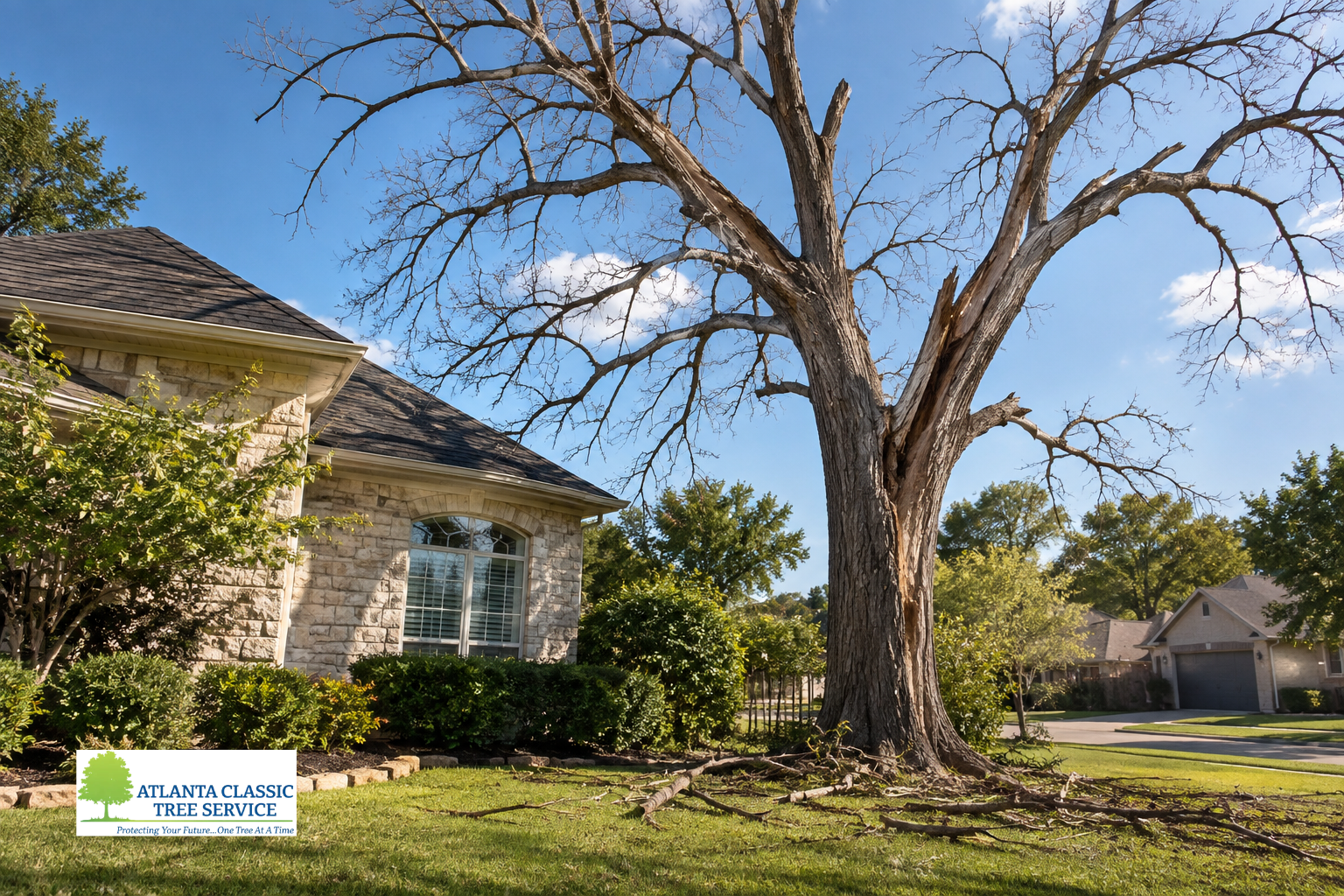
Emergency tree removal is a growing service because storms can create immediate hazards. A tree that’s split, fallen on a roof, or leaning on power lines needs swift action and a solid safety plan.
Many companies offer 24/7 support because hazardous trees don’t wait for business hours. Quick response is why people value well-equipped companies that can act fast when needed.
Insurance and Storm Damage
Insurance for tree removal depends on the cause of damage and whether it affected a covered structure. Homeowners insurance might help if a tree damages a house or blocks access after a storm, but coverage can vary. It’s wise to document the situation with photos before cleanup if possible.
Insurance companies also consider negligence. A tree ignored for years might be treated differently from one damaged by a storm. Regular inspections and timely care can help avoid costly emergencies.
Real-World Example: Dealing with a Risky Tree
What a Professional Job Looks Like
Imagine a homeowner with a big tree leaning toward their house and pool. The canopy is overgrown, several limbs are dead, and there’s decay at the base. A professional crew comes in, assesses the risk, and decides to remove the tree in sections. They rope off the area, set up equipment, and use rigging to bring down branches without disturbing the pool deck or yard.
In a real case from Windward, the work was done in about five hours, showing how efficient a planned job can be when the method is right. This efficiency comes from preparation, skill, and the right tools.
Why Expertise Matters
The difference between a pro and amateur removal isn’t just speed. It’s about spotting hidden dangers, protecting property, and leaving a clean, usable yard. A trained crew can advise on whether nearby trees need pruning or treatment to keep your yard healthy.
Experience is key. For older neighborhoods and properties with mature trees, one mistake can cause costly damage. Pros know how to manage weight distribution, escape paths, and terrain, making the job safer and more predictable.
How to Pick the Right Tree Removal Company
Look for Certification and Experience
When comparing companies, start with credentials. Look for insurance, trained techs, and arborist involvement. Membership in groups like ISA or TCIA shows a commitment to standards and ongoing learning.
Ask if the company offers written estimates, explains their method, and includes cleanup and stump grinding. A reliable contractor will be transparent about their approach and what happens if conditions change.
Ask the Right Questions
Before signing off on a project, ask how they’ll protect structures, whether permits are included, and how debris is handled. Ask who will be on site, what gear will be used, and if climbing or a crane is needed. These questions help assess professionalism and avoid misunderstandings.
It’s also smart to ask about communication during emergencies. If a tree falls at night, who answers? How fast can they respond? Knowing this tells you how seriously the company takes safety and customer service.
After the Tree is Gone
Recovering and Planning
After removal, many choose to restore the space with new plants or landscape features. This is a good time to think about replacing the tree and what species might fit better.
Some decide to improve the health of nearby trees to preserve the canopy. This might include pruning or fertilization based on expert advice. Proactive care can prevent wider tree decline.
Why Ongoing Care is Key
Tree removal solves an immediate problem and allows for future planning. Continued maintenance is wise since remaining trees might get more wind or sunlight, changing how they grow.
For a complete plan, learn about stump grinding, fertilization, and pruning. These services work together to improve tree health and maintain property value after removal.
FAQs About Professional Tree Removal
How Do I Know if a Tree Needs to Be Removed?
Look for signs like leaning toward buildings, large dead branches, trunk cracks, fungus at the base, hollow areas, and root damage. If you see several of these, a professional inspection is the next step.
Is Tree Removal Always the First Option?
No. Sometimes pruning, cabling, or treatment can reduce risk without removal. A good arborist will weigh the tree’s condition, species, and location before recommending removal. But if the risk is too high, removal is usually the best choice.
Can a Tree Be Removed in Bad Weather?
Sometimes emergencies require it, but bad weather can limit what crews can safely do. High winds, lightning, and slippery surfaces make climbing and rigging unsafe. Often, crews will secure the area first and come back when it’s safer.
What Should I Expect from the Estimate?
A good estimate should explain the work scope, access challenges, equipment needs, cleanup expectations, and whether stump grinding is included. It should also note any permit concerns or extra steps to protect property.
Wrapping Up: A Safer Way to Remove Trees
Professional tree removal is a well-managed process from start to finish. Each step is designed to reduce risk and protect your property. Done right, it removes a hazard and improves your yard's usability and appearance.
If you have a dangerous tree or storm damage, don’t wait for the problem to worsen. Contact an experienced team that knows local rules and uses modern equipment. Check out our tree removal service, explore options like stump grinding and pruning, or reach out to Atlanta Classic Tree Service for a professional evaluation.