What to Do with Tree Debris after a Landscaping Project.
Tree debris is often an afterthought in landscaping projects, but it's crucial for safety, appearance, and long-term health of your property. After you finish pruning, removals, storm cleanups, or major yard renovations, you might find yourself with piles of branches, logs, leaves, and wood chips. These can quickly turn your beautiful outdoor space into a cluttered mess. Knowing how to manage this material properly helps you finish the project neatly, protect your landscape, and cut down on waste.
These days, being eco-friendly with debris management is more important than ever. Many homeowners and property managers are looking to recycle organic material instead of sending it all to the landfill. Local communities have expanded yard waste collection options to make disposal easier. If you're doing pruning or tree removal, you can coordinate debris cleanup with services like professional pruning or tree removal to ensure the final result looks polished. For more on composting and organic waste handling, the U.S. Environmental Protection Agency offers helpful tips on reducing waste through composting at EPA composting resources.
In this guide, we'll go over practical ways to sort, reuse, dispose of, and schedule tree debris after a landscaping project. We'll also cover common mistakes, local disposal options, and professional tips to keep your property safe and attractive while making environmentally friendly choices.
Why Tree Debris Management Matters
Keeps Your Property Safe and Accessible
Piles of branches and logs can block walkways, create tripping hazards, and make yard use difficult. In wet conditions, debris can get slippery or heavy, complicating cleanup. Clearing it promptly reduces risks and restores access to driveways, patios, and lawns.
Improves the Look of the Finished Yard
A landscaping project isn't complete until the cleanup is done. Even a well-designed yard looks unfinished if broken limbs, leaf piles, and scattered bark are left behind. Professional debris removal helps the new design stand out and creates a clean visual transition from project work to a finished yard.
Supports Environmental Sustainability
Organic debris doesn't have to become waste. When you chip branches into mulch or compost leaves, those materials return to the soil in useful ways. This reduces landfill volume and supports healthier landscapes over time. The EPA notes that yard trimmings are a significant part of municipal solid waste, which is why reuse and composting are valuable for homeowners and communities alike.
Start by Sorting the Debris
Separate Logs, Branches, Leaves, and Non-Organic Waste
The first step in effective cleanup is sorting. Different materials need different handling methods, and mixing them can make disposal more expensive or less efficient. Logs and large limbs may be suitable for chipping or hauling, while smaller branches and leaves can often be mulched or composted. Remove plastic ties, wire, old pots, and other non-organic materials immediately so they don't contaminate the pile.
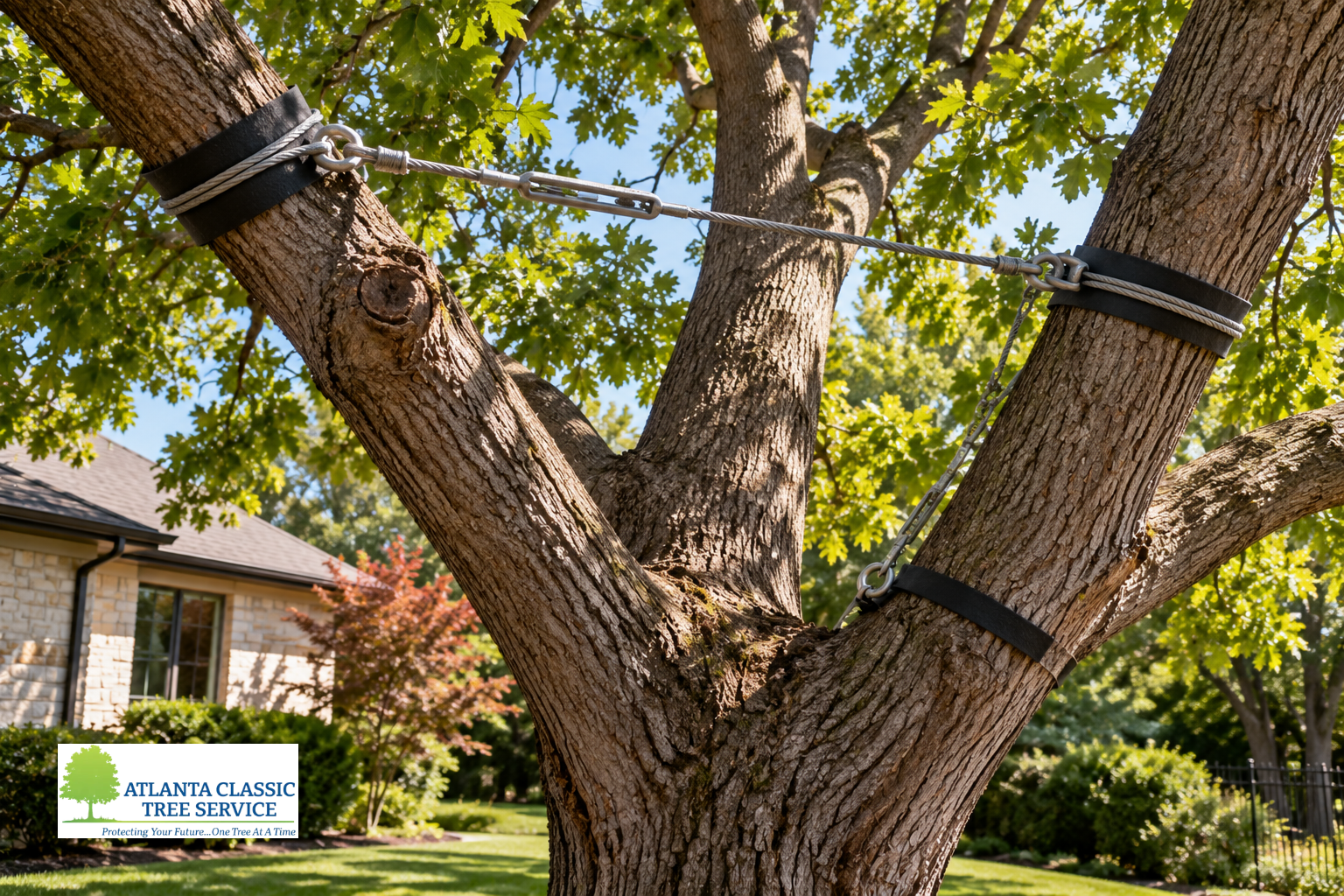
A simple sorting system also saves time later. Create separate piles for large wood, medium branches, green material, and trash. This makes it easier to decide whether something should be chipped, hauled, composted, or bagged. If your project included structural tree work, combining debris sorting with cabling and bracing or other preventive services can also help you identify whether additional tree care is needed before the next season begins.
Check the Condition of the Material
Not all tree debris is equally useful. Healthy branches and leaves can often be recycled, while diseased material may need special handling depending on local rules. If a tree is affected by pests, fungal issues, or storm damage, it's smart to ask a tree professional before composting the debris. That extra step can prevent spreading disease to other parts of the property.
Use the Right Tools for Handling
For larger cleanups, basic yard gloves, loppers, tarps, rakes, and wheelbarrows can make sorting much easier. When the debris volume is high, a trailer, dump cart, or roll-off dumpster may be the best solution. The right tools reduce labor, speed up the cleanup, and help keep the worksite organized from start to finish.
Eco-Friendly Ways to Reuse Tree Debris
Turn Branches into Mulch
One of the most useful ways to manage tree debris is chipping branches into mulch. Mulch can be spread around trees, shrubs, and garden beds to help retain soil moisture, regulate temperature, and suppress weeds. It also improves the appearance of planting areas by creating a uniform finish that blends naturally into the landscape.
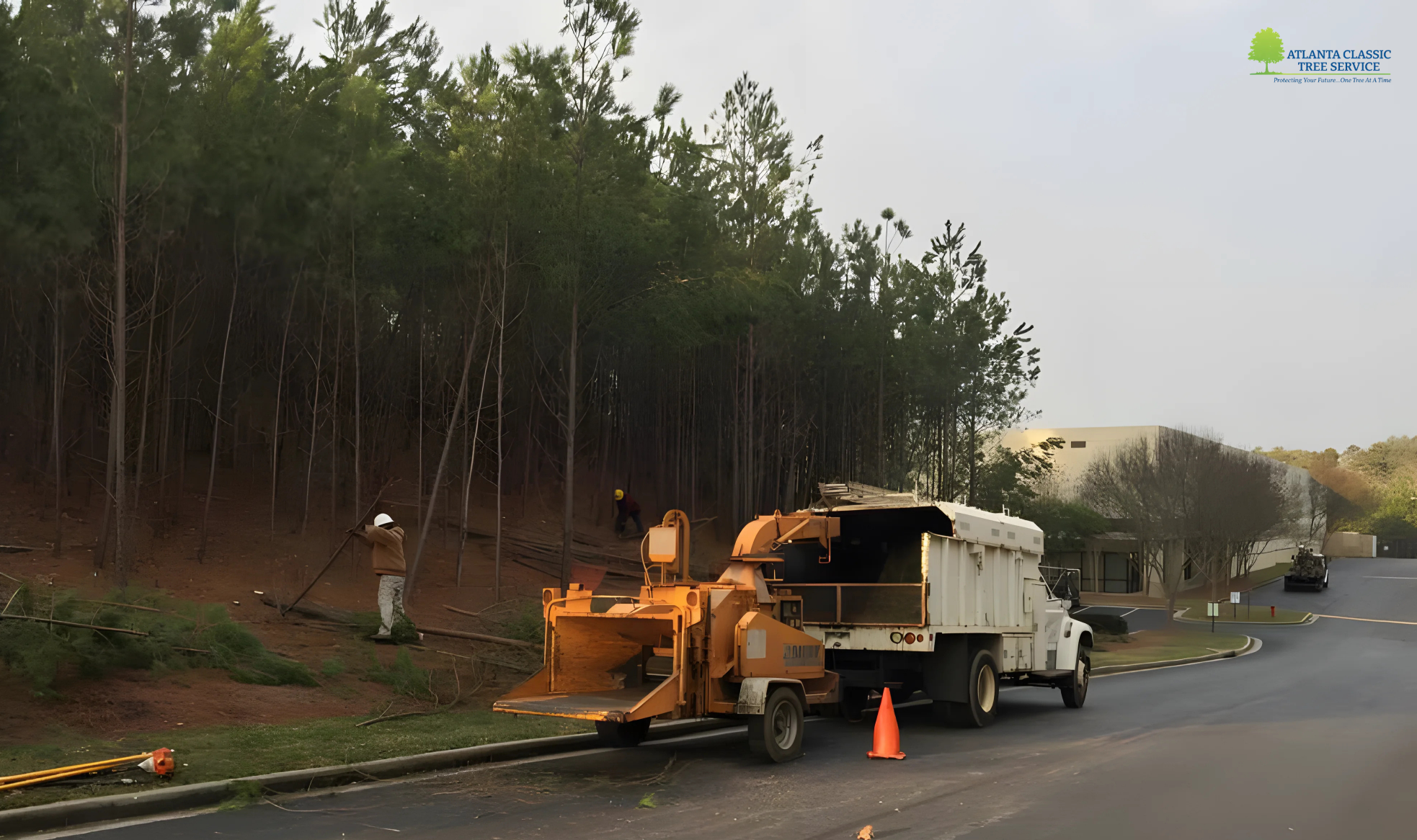
Using a wood chipper is often the most efficient option for medium-sized branches. If you don't own one, you can rent equipment or work with a service that offers debris processing. For property owners who regularly generate wood material, options like wood shavings delivery can also support mulch beds, animal stalls, or erosion control projects. For an overview of mulch benefits, the University of Minnesota Extension offers practical guidance on mulching trees and shrubs.
Compost Leaves and Small Twigs
Leaves and light twig matter are ideal for composting. When mixed with other organic materials, they break down into nutrient-rich compost that can improve soil structure and support healthier plant growth. Composting is especially useful after fall cleanups or seasonal pruning projects, when leaf volume is high. It transforms a temporary mess into a long-term resource for your garden beds and lawn.
Successful composting works best when the material is balanced and managed properly. Shred leaves if possible, keep the pile slightly moist, and turn it periodically to encourage airflow. The goal is to create a mix that breaks down steadily without becoming too compact or too dry. If you're also thinking about improving lawn health after cleanup, pairing compost work with targeted fertilization can help your landscape recover faster and look greener.
Use Chipped Material for Erosion Control
In sloped yards or areas exposed to runoff, chipped tree debris can help stabilize soil. A layer of wood chips reduces surface erosion by slowing water flow and protecting bare ground from direct rainfall. This is especially helpful after major landscape changes, where fresh soil may need extra protection until new plantings take root.
When Bagging and Hauling Make the Most Sense
Use Heavy-Duty Bags for Smaller Debris
Not every cleanup needs a chipper or dumpster. For smaller projects, heavy-duty yard bags are a simple and efficient solution. They are ideal for leaves, small twigs, and lightweight trimmings that can be collected quickly and set out according to local waste rules. Bagging is often the fastest way to finish a small residential cleanup without extra equipment.
Understand Local Disposal Rules
Many municipalities accept yard waste through curbside pickup, designated bins, or special collection days. Some areas allow debris to be set out separately from regular trash, while others require it to be bundled or bagged in a specific way. Before hauling anything away, check your local public works or sanitation guidelines so you avoid extra fees or rejected pickups. The city of Alpharetta provides local trash and recycling information at its official waste service page.
Haul Away Large or Mixed Loads
If your landscaping project produced a high volume of debris, or if the material includes logs too large for standard collection, hauling may be the most practical option. Renting a dumpster or scheduling a grapple truck can eliminate repeated trips to disposal sites. This is often the best choice for major tree work, storm cleanup, or commercial property maintenance where speed and convenience matter.
For properties that need a dependable pickup plan, local debris removal services can be a smart solution. In Alpharetta, companies such as Property Cleanup LLC and Sclafani Waste Service are part of the local service landscape, and broader debris management support can also be coordinated through a professional tree care company. If a project includes stump issues after removal, follow-up stump grinding can help complete the cleanup and prepare the yard for new use.
Best Practices Used by Tree Care Professionals
Plan Cleanup Before the Project Begins
Professional debris management starts long before the final branch hits the ground. Experienced crews plan where debris will be stacked, how it will be moved, and whether it will be reused, hauled, or chipped. This saves time, reduces site damage, and keeps work areas safer for the crew and the property owner.
Protect Turf and Hardscapes During Removal
Large limbs and logs can damage lawns, patios, and driveways if they are dragged carelessly. Using tarps, mats, or designated hauling paths helps protect the finished landscape. This matters even more after a high-end landscaping project, where preserving the new work is just as important as removing the old material.
Match Disposal Methods to the Type of Debris
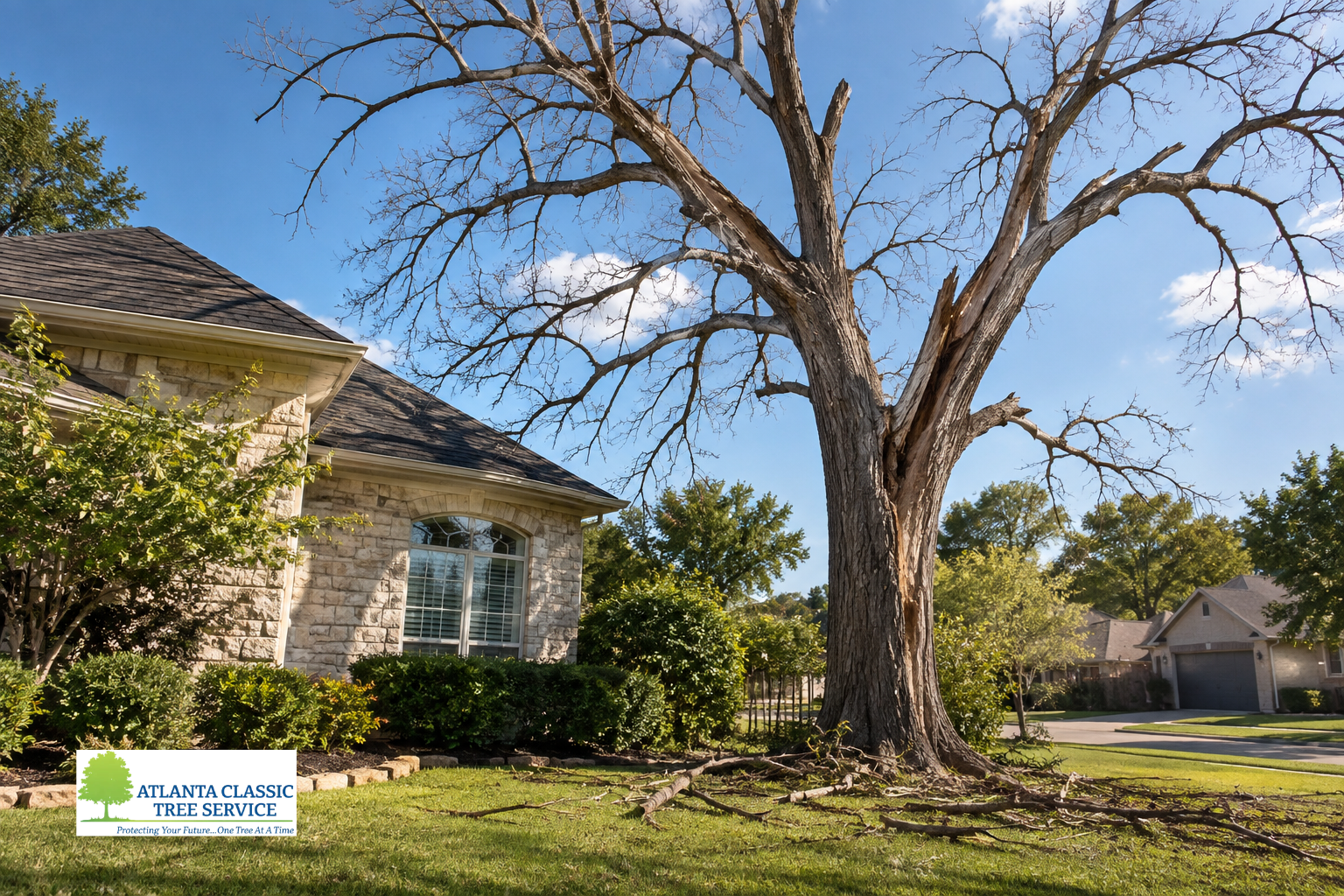
Professional crews do not treat all debris the same. Larger branches may be chipped, healthy leaves may be composted, and unsalvageable material may be hauled off. This flexible approach reduces waste and makes it easier to keep the property clean without unnecessary handling. For severe storm damage or hazardous limbs, a full tree removal service may be the safest option before debris cleanup begins.
Work with Certified Arborists When Needed
Sometimes, tree debris is more than a cleanup issue. If the project exposed decay, structural weakness, or damage from weather, a certified arborist can help determine whether additional care is needed. Guidance from the International Society of Arboriculture can be useful when evaluating tree health and maintenance priorities, and the organization provides educational resources at Trees Are Good.
Common Mistakes to Avoid After Landscaping
Leaving Debris in Piles Too Long
Long-term debris piles attract pests, create hazards, and slow down the visual recovery of the property. They can also trap moisture and contribute to fungal growth or insect activity. Cleanup should happen as soon as practical after the main project ends so the property stays safe and presentable.
Mixing Organic Waste with Trash
When branches, leaves, and organic trimmings are mixed with non-organic waste, recycling becomes harder or impossible. It can also cause disposal problems if the waste facility rejects the load. Keeping material separated from the start makes every later step faster and more efficient.
Ignoring Diseased or Infested Material
If the tree debris came from a tree with signs of pest activity or disease, do not assume composting is always safe. Some materials should be handled separately to avoid spreading the issue to healthy trees nearby. When in doubt, ask a professional before reusing the debris on your own property.
Underestimating the Amount of Debris
Many property owners are surprised by how much debris a single landscaping project creates. Even a small pruning job can fill bags, carts, or trailers faster than expected. Planning for extra disposal capacity prevents project delays and reduces the chance of leaving cleanup unfinished for days.
How Local Services Can Simplify the Process
Use Municipal Yard Waste Programs When Available
Many cities now offer more convenient yard waste services because residents are generating more organic debris and are looking for sustainable disposal options. These services may include seasonal pickup, collection bins, or special processing sites. Taking advantage of these programs can save time and reduce landfill use at the same time.
Partner with a Tree Service for a Complete Solution
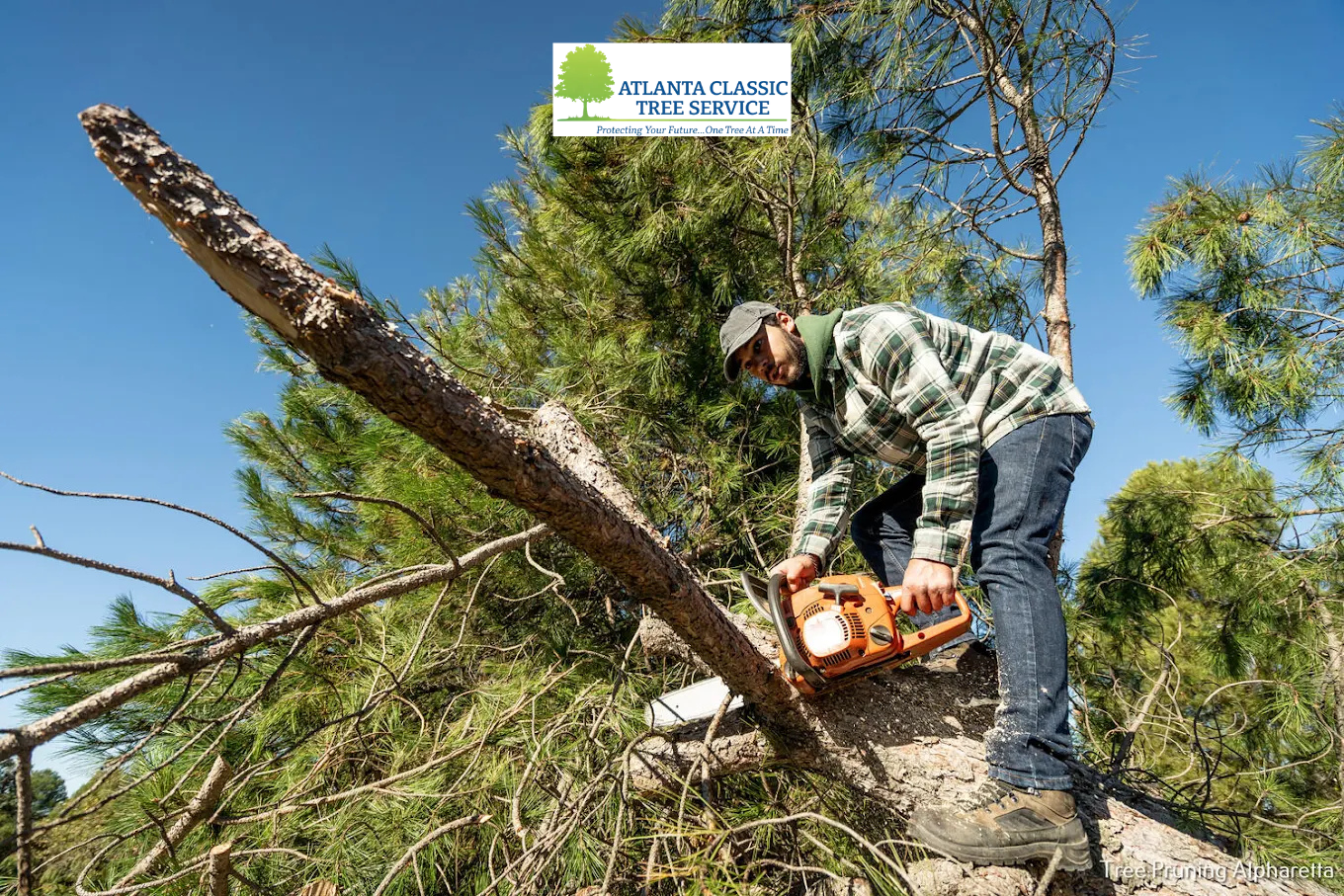
When cleanup is part of a larger tree care project, the easiest path is often to work with one team from start to finish. A professional tree service can prune, remove, chip, haul, grind stumps, and leave the site cleaner than if you tried to coordinate each task yourself. That integrated approach is especially helpful for busy homeowners, commercial properties, and large estates.
Atlanta Classic Tree Service has supported property owners across the metro area since 1987, combining safe work practices with practical cleanup planning. Whether the project involves trimming, storm recovery, or leftover brush after a major landscape change, professional help can save time and reduce stress. If your property needs a comprehensive cleanup plan, it may also make sense to review related services like lightning protection for high-value trees or exposed areas that need long-term resilience.
Know When to Call in a Dumpster or Grapple Service
For large commercial or multi-load projects, dumpsters and grapple trucks can dramatically speed up debris removal. These services are especially helpful when the volume of logs and branches is too much for standard curbside pickup. They also reduce labor by handling the heaviest material in a single loading process.
Frequently Asked Questions About Tree Debris Cleanup
How Do I Dispose of Large Tree Limbs?
Large limbs can be chipped into mulch, cut into smaller sections for hauling, or loaded into a dumpster. If the limbs are too heavy to manage safely, hiring a professional service is the most practical option. This is the fastest way to avoid injury while getting the site cleared.
Can I Compost All Types of Tree Debris?
Leaves and small twigs are usually suitable for composting, but larger branches are better used for mulch or disposal. Diseased material should be reviewed carefully before it is added to a compost pile. A good rule of thumb is that the more compact, woody, or questionable the material is, the less likely it is to belong in standard compost.
Are There Convenient Local Options for Debris Removal?
Yes. In many areas, including Alpharetta, property owners can use a mix of municipal services and private cleanup providers to manage yard waste. Local companies may offer more flexibility for oversized loads, storm debris, or same-day cleanup needs, which is useful when the property must be restored quickly.
What Should I Do If the Debris Came From a Diseased Tree?
Contact a tree care professional before composting or reusing it. Some diseased wood can spread problems if it is handled the wrong way. A trained arborist can help you determine whether the material should be chipped, isolated, or hauled away entirely.
Practical Takeaways for Property Owners
Think in Terms of Reuse First
Before you haul everything away, identify what can be recycled into mulch, compost, or erosion control material. This lowers waste and turns part of your cleanup into a landscape improvement opportunity. Even a small amount of reused organic material can add long-term value to the property.
Match the Cleanup Method to the Scale of the Job
A few bags of leaves may only require curbside collection, while a full tree removal may call for hauling equipment or a dumpster. Choosing the wrong method can waste time and money. The right plan is the one that fits the size, condition, and destination of the material.
Keep Long-Term Landscape Goals in Mind
Tree debris cleanup is not just about removing clutter. It is also an opportunity to improve soil, support new plantings, and prepare the property for future growth. If you are planning ongoing tree care, services such as selective pruning and follow-up inspections can help reduce future debris and keep the landscape easier to maintain.
Conclusion: Turn Cleanup Into a Landscape Advantage
Tree debris after a landscaping project does not have to be a nuisance. With the right plan, it can become mulch, compost, erosion control, or efficient yard waste for removal. The key is to sort the material correctly, choose a disposal method that fits the debris type, and stay informed about local collection rules and eco-friendly recycling options.
For property owners who want a cleaner, safer, and more attractive result, professional help can make the process much easier. Atlanta Classic Tree Service provides experienced tree care support, from pruning and removal to stump grinding and debris management, so your project ends with a polished finish rather than a pile of leftover brush. If you are ready to simplify your next cleanup, contact the team and turn your tree debris into a smart step forward for your landscape.