How Modern Tree Removal Tools Make Jobs Safer and Faster
When you think of tree removal, you might picture someone chopping away at a trunk. But there's much more to it. Top-notch tree service crews today use special machinery, follow strict safety rules, and rely on experienced arborists to handle hazardous trees with care. This means less risk to people, buildings, and your yard. Plus, the job gets done quicker, cleaner, and with less hassle than if you tackled it yourself.
Using the right equipment in tree care can make a big difference between a smooth removal and a risky, expensive emergency. Modern tools like cranes, bucket trucks, rigging systems, and commercial chippers have revolutionized how crews work, especially in crowded neighborhoods and tricky spots. If you're considering tree removal, knowing how these tools boost safety and efficiency can help you decide wisely.
This guide dives into the latest equipment trends, why they matter, and how pros use them to keep people and property safe. We’ll also touch on industry standards from groups like the International Society of Arboriculture and OSHA’s safety tips for tree work. For homeowners and property managers, the aim is clear: safer work, better results, and fewer surprises.
Why Professional Tree Removal Equipment Matters
Safety is the biggest advantage.
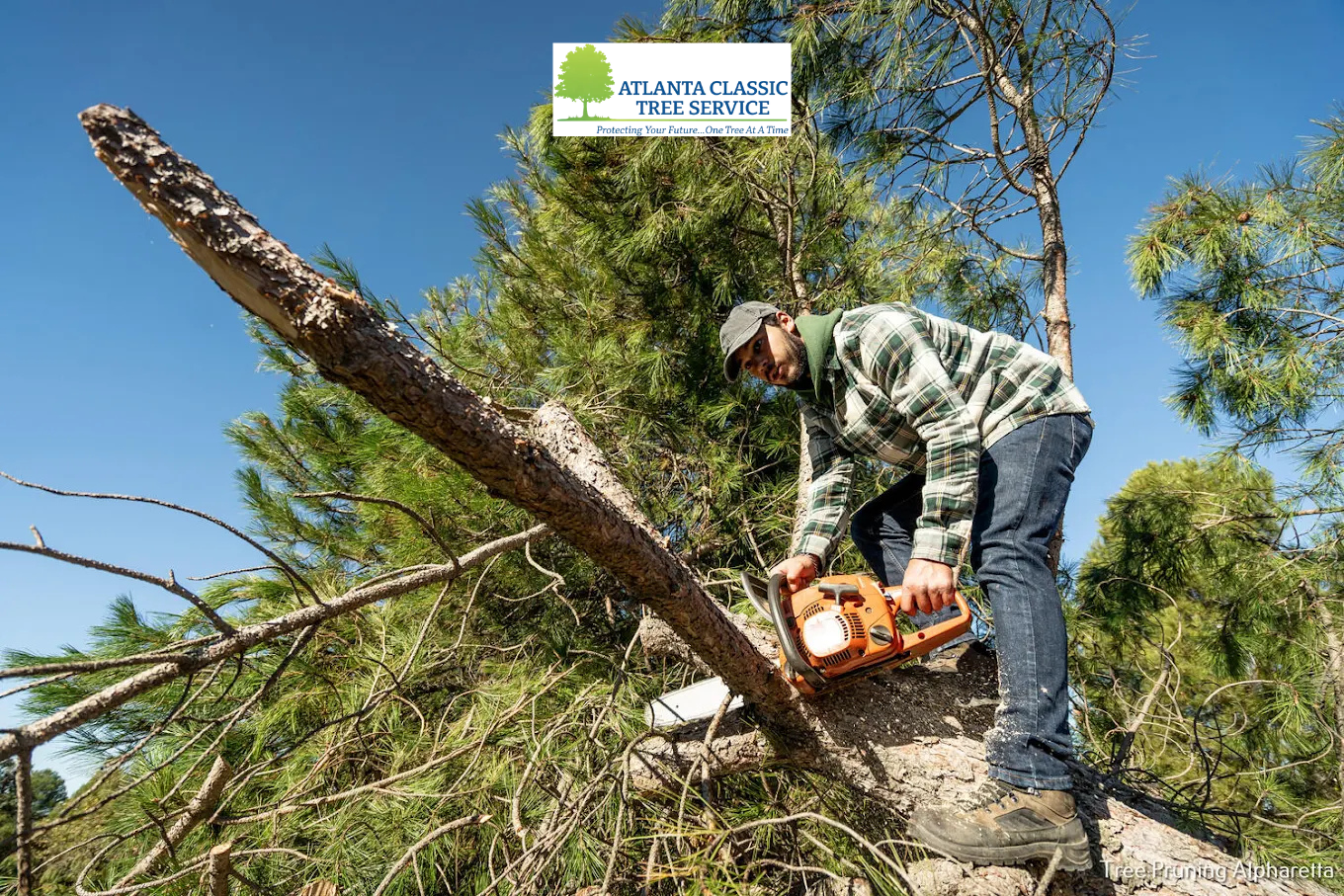
Tree removal can be one of the riskiest jobs in landscaping. Branches can shift unexpectedly, chainsaws can kick back, and falling pieces can damage roofs, fences, cars, or power lines. Professional equipment helps minimize these risks by giving crews better control over each cut, lift, and lowering step. Instead of brute force, trained teams use mechanical help to stay safer.
Modern gear also cuts down on the need for climbers to spend a lot of time in unstable tree branches. This is important because preventing falls is a big deal in tree work. OSHA’s tree care safety page highlights planning, proper gear, and hazard awareness, especially when working high up or near power lines.
Efficiency saves time and money.
Another big perk of advanced tree removal gear is saving time and money. A team using a crane to lift a heavy branch or a rigging system to lower a section can finish the job much faster than using just manual climbing and cutting. This shorter time frame cuts down on labor, limits disruption, and often lowers the project's total cost.
For businesses, apartment complexes, and homeowners with large trees, speed is important. A faster removal can mean a driveway is clear sooner, a sidewalk is free quicker, or a storm-damaged area is made safe before more bad weather hits. Pairing this with services like stump grinding and wood shavings delivery can make the cleanup even smoother and more property-friendly.
Modern Equipment That Has Transformed Tree Removal
Cranes for large and hazardous trees
Cranes are now some of the most useful tools in tree removal, especially for big or unstable trees near homes, pools, garages, or commercial buildings. Instead of dropping sections to the ground, crews attach rigging to large limbs and lift them away smoothly. This greatly reduces the chance of damage and helps protect nearby structures.
Research shows that crane-assisted removals work well in urban or suburban areas where space is tight. Companies in fast-growing areas often use cranes to safely handle complex removals that would be tricky or impossible with just traditional methods. This means less disturbance to your yard and fewer chances of debris ending up where it shouldn’t.
Bucket trucks for elevated access
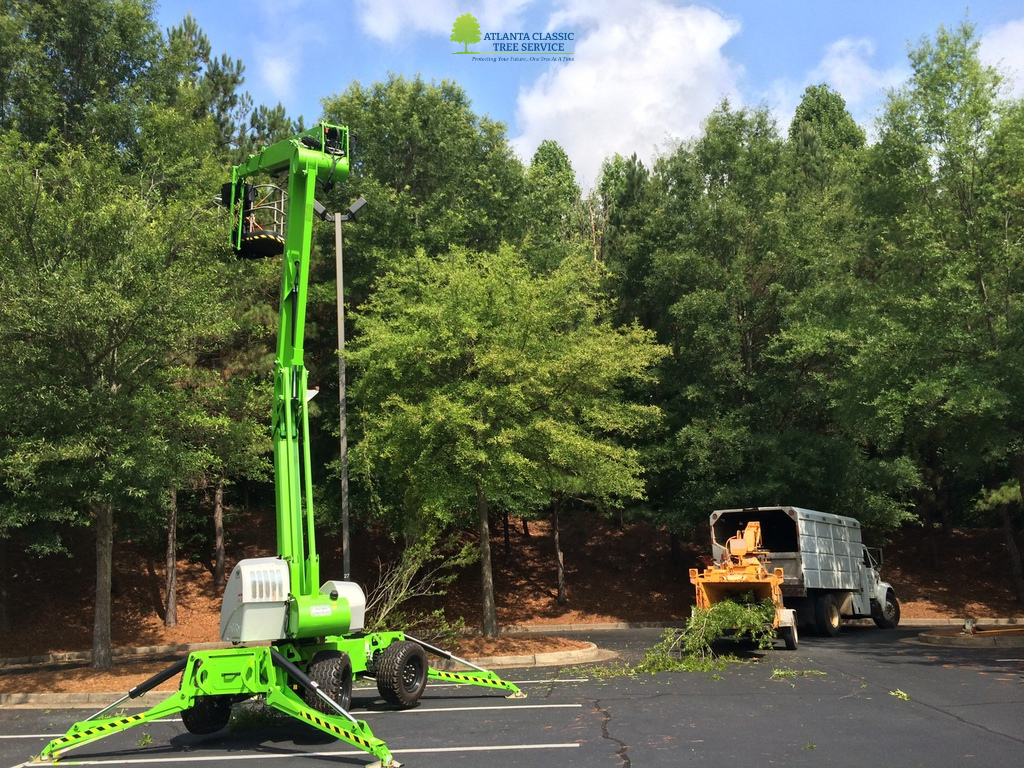
Bucket trucks let technicians work from a safe, elevated platform instead of climbing through the branches. This setup improves visibility, boosts stability, and lets the crew reach tough spots more easily. It's especially handy when dealing with dead branches, storm damage, or trees that need careful dismantling.
Bucket trucks also make working near unstable trees safer by reducing the time workers spend on wobbly trunks or branches. In a job where speed and control matter, this makes a big difference. A well-equipped team can inspect, cut, and lower material more confidently, leading to better outcomes for safety and cleanup.
Commercial chippers and debris handling systems
Once a tree is down, the work isn’t over. Large branches and brush need to be processed quickly and safely to keep the site clear and prevent tripping or vehicle hazards. Commercial chippers turn bulky brush into manageable wood chips that can be hauled away or used as mulch. This helps crews maintain a safer work zone throughout the project.
Processing debris on-site means the property returns to normal faster and with less mess. That’s why many property owners pair tree removal with pruning or other maintenance on nearby trees. The efficiency gained from commercial chippers also supports more sustainable cleanup practices by reducing unnecessary hauling and landfill waste.
How Equipment Improves Safety on the Job
Reduced manual handling
One of the biggest safety boosts from modern tree removal equipment is cutting back on heavy manual handling. Lifting big branches, dragging trunks, and carrying debris by hand can strain backs, shoulders, and knees. Mechanical assistance reduces these injuries by letting machines handle the toughest parts of the work.
Professional crews still need strength and coordination, but equipment dramatically reduces repetitive strain and impact-related accidents. This is especially crucial on long projects or emergency callouts after storms, when fatigue can make injuries more likely. By lowering the physical burden on the crew, the equipment also supports better decision-making throughout the day.
More precise control during cuts
Precision is key when removing a tree near a building, fence, or power line. Modern rigging tools give technicians control over how sections move after a cut. Instead of letting gravity decide, the crew can lower material in a controlled sequence. This reduces the risk of swinging limbs or uncontrolled falls.
Precision also safeguards the yard. Trees often grow close to flower beds, driveways, irrigation systems, and retaining walls, so every cut matters. With better control, crews can avoid unnecessary damage and preserve parts of the property that don’t need to be disturbed. This level of care is why professional tree removal is often worth the investment.
Better communication and job planning
Today’s crews often mix equipment use with thorough job-site planning. Before cutting a tree, the team identifies hazards, sets drop zones, confirms escape routes, and chooses the best gear for the tree’s size and location. This planning phase is a major safety advantage because it sets shared expectations before work begins.
When the equipment matches the plan, the whole process becomes more predictable. That predictability helps reduce confusion between climbers, ground workers, operators, and supervisors. In a job where small mistakes can become big problems, planning and equipment go hand in hand.
Industry Standards and Best Practices That Guide Professional Crews
ANSI A300 and Z133 standards
Two important references in tree care are ANSI A300 and ANSI Z133. ANSI A300 covers tree care operations and maintenance practices, while ANSI Z133 focuses on safety requirements for arboricultural work. These standards guide how professionals prune, remove, rig, and handle hazardous conditions. For property owners, knowing that a tree service follows these standards shows professionalism.
Organizations like the Tree Care Industry Association promote proper training and safety culture throughout the trade. Reputable companies base their work on these expectations, not shortcuts. When equipment use is paired with ANSI-based procedures, the result is a safer and more consistent job site.
Maintenance and inspection of equipment
Even the best machine is only as good as its maintenance schedule. Chains, blades, hydraulics, brakes, cables, and support systems must be inspected regularly to ensure safe performance. Preventive maintenance reduces breakdowns, delays, and dangerous equipment failures that could threaten workers or nearby property.
This is why experienced tree companies keep detailed service logs and daily inspection routines. A chipper with a dull blade or a bucket truck with a hydraulic issue can turn a productive day into a costly hazard. Consistent maintenance is not just good business; it is part of professional responsibility.
Training and certification matter
Advanced equipment should only be operated by trained professionals who understand both the machinery and the biology of trees. Certified arborists are trained to assess tree condition, identify hidden defects, and choose the safest removal method. Their expertise helps them determine whether a tree should be climbed, crane-lifted, bucket-accessed, or dismantled piece by piece.
In other words, equipment is only one part of the equation. The operator’s judgment is what turns machinery into a safe, efficient solution. That’s why experienced teams often combine advanced equipment with ISA-certified knowledge, especially on jobs that involve storm damage, decay, or close structural clearance.
Real-World Trends Shaping the Tree Service Industry
More urban tree work requires more specialized machinery
As communities grow denser, tree service companies face tighter working conditions. Trees may be located next to homes, power lines, commercial parking lots, or narrow access roads. Traditional removal methods can be too risky or inefficient in these settings, which is why specialized machinery has become more common across the industry.
In Alpharetta and surrounding Metro Atlanta communities, the mix of mature trees and expanding development has created ongoing demand for sophisticated tree removal solutions. Local tree professionals often rely on cranes and proprietary bucket trucks to handle projects in hard-to-reach areas. That approach helps ensure work is completed safely without sacrificing speed or landscape protection.
Emergency response has become more important.
Severe weather can create immediate hazards, from snapped limbs to partially uprooted trunks. In these cases, fast response is critical, especially when a tree is leaning on a roof or blocking access to a property. Equipment such as trucks, chippers, and cranes allows crews to stabilize a site more quickly and clear dangerous debris before conditions worsen.
Emergency response also highlights the value of well-maintained equipment. A team that is ready to mobilize can make a significant difference in reducing property damage and restoring access. For situations like these, services such as cabling & bracing may also help preserve trees that still have structural value while other trees are being removed.
Environmental and cleanup expectations are rising.
Customers today expect more than just tree removal. They want responsible cleanup, minimal turf damage, and solutions that fit the overall landscape plan. Modern equipment helps crews meet those expectations by reducing unnecessary ground disturbance and supporting better debris management. That means the property is left in better shape and often recovers more quickly after the work is done.
In some cases, materials can be repurposed rather than discarded. Wood chips may be used for mulch, while sections of trunk wood may be processed for other uses, depending on the project and local regulations. Equipment that supports efficient cleanup contributes to a more sustainable service model overall.
How Property Owners Benefit from Advanced Tree Removal Tools
Less risk to homes, vehicles, and hardscapes
For most property owners, the biggest concern is not the tree itself but what could happen when it comes down. A poorly controlled removal can crack a driveway, damage a fence, or put a roof at risk. Professional equipment helps prevent those outcomes by making the removal process more deliberate and controlled.
This is particularly important when a tree is close to sidewalks, patios, or retaining walls. The better the equipment, the more likely the crew can remove the tree in sections without creating collateral damage. That protection often saves far more money than the cost of the service itself.
Better results for the rest of the landscape
Tree removal rarely happens in isolation. Most properties have shrubs, turf, mulch beds, and other trees nearby. Modern equipment allows crews to work more selectively, so the removal of one tree does not unnecessarily harm the rest of the yard. This matters for both aesthetics and long-term landscape health.
After a removal, many property owners choose to follow up with fertilization or other restoration work to help the lawn and nearby plants recover. That kind of follow-through can be especially useful if root systems were disturbed during the project. A cleaner, more controlled removal leaves the property in a much better position for recovery.
Greater confidence in the service provider
When a tree service invests in advanced equipment, it sends a clear message: safety and quality are priorities. Property owners can often see the difference immediately in how the crew sets up the site, protects surfaces, and manages debris. That professionalism builds confidence, especially during stressful situations like storm cleanup or emergency removals.
It also makes it easier to trust the crew with related services. If the company is equipped for complex removal, it is often also prepared for preventive maintenance, hazard mitigation, and follow-up care. That integrated approach can save time and reduce the need to coordinate multiple contractors.
What a Professional Tree Removal Process Usually Looks Like
Site assessment and equipment selection
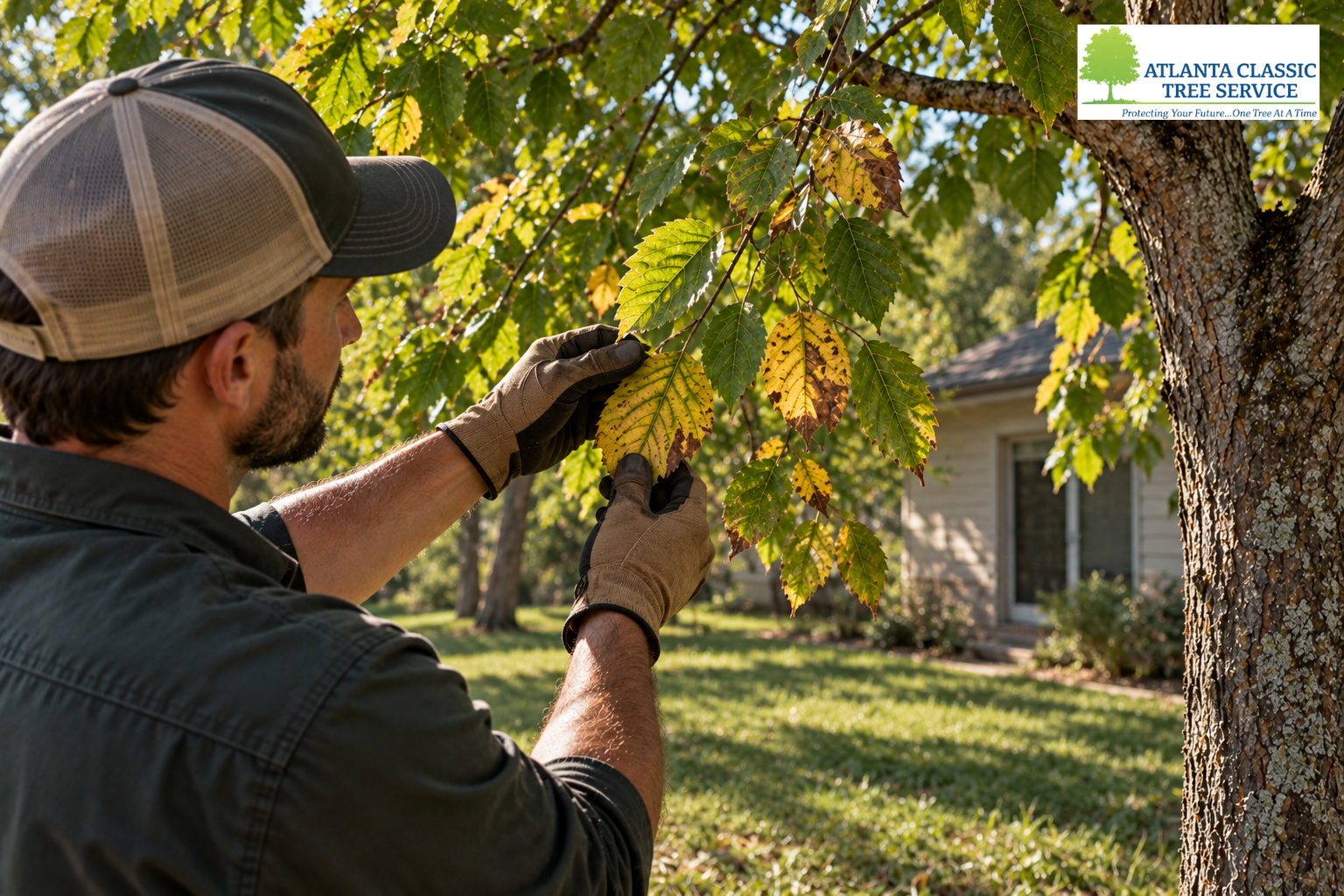
Every safe removal starts with an assessment. The arborist or crew leader evaluates the tree’s size, lean, decay, access points, and proximity to structures or utilities. From there, they determine whether the best approach involves climbing, a bucket truck, a crane, or a combination of methods. The equipment choice is based on reducing risk while improving efficiency.
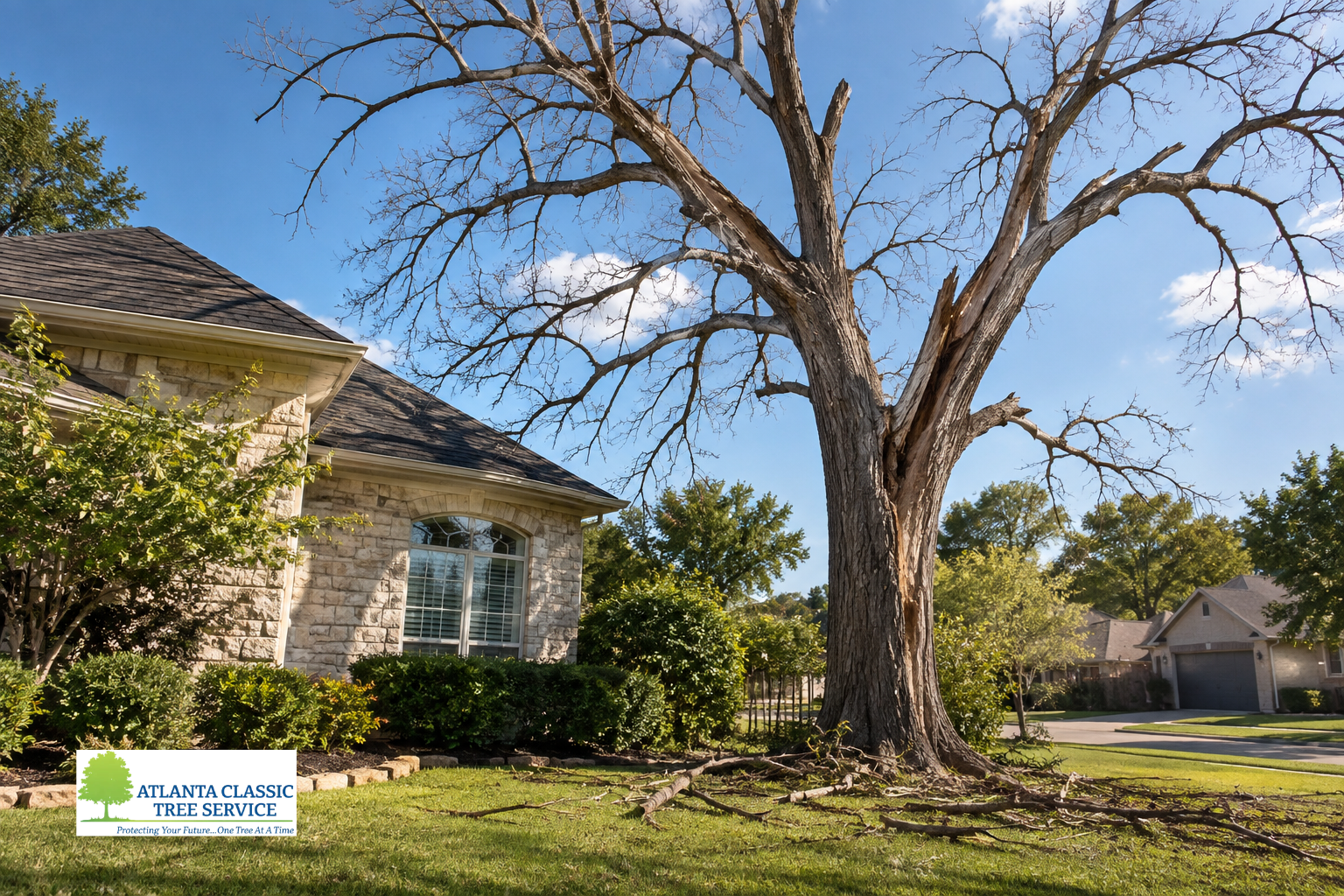
For example, a tree with extensive decay near a home may require crane-assisted dismantling so pieces can be lifted away without dropping them onto the roof. Meanwhile, a smaller ornamental tree in an open yard may only need standard rigging and cutting tools. The key is matching the method to the job, not forcing one method onto every site.
Controlled removal and debris processing
Once the plan is in place, the crew executes the removal in stages. Large limbs are cut, secured, lowered, or lifted away before the trunk is sectioned down. Throughout the process, the ground crew manages ropes, chipper access, and debris flow so the site stays safe and organized. This layered workflow is one reason professional crews outperform rushed or improvised work.
Debris is then processed and removed, often using a chipper or truck system to clear branches efficiently. If the project includes additional landscape work, it may also involve stump grinding or cleanup recommendations. For homeowners who want to learn more about the full sequence, our related article on what to expect when removing a tree is a helpful next read.
Final cleanup and recovery
Cleanup is not an afterthought; it is part of the service. Professional crews remove loose limbs, rake debris, and leave the property as tidy as possible. In many cases, they also assess whether the remaining landscape needs attention after the removal. That can include soil restoration, pruning, or additional support for nearby trees.
This final stage is where a careful company stands out. Advanced equipment makes cleanup faster, but attention to detail is what ensures the property looks intentional rather than disturbed. That combination of speed and care is what most customers remember long after the job is done.
Frequently Asked Questions About Professional Tree Removal Equipment
Do professional tools really make tree removal safer?
Yes. Professional tools reduce manual labor, improve control over heavy tree sections, and limit worker exposure to fall and impact hazards. They also help protect nearby people and structures by making the removal more deliberate. The combination of trained operators and specialized equipment is what creates the safety benefit.
Are cranes and bucket trucks necessary for every job?
No, not every tree requires advanced machinery. Smaller, open-access trees can often be removed with standard equipment and rigging. However, cranes and bucket trucks are extremely valuable when a tree is very large, structurally unstable, or located in a tight space. The right choice depends on the site and the tree’s condition.
Is advanced equipment worth the cost?
In many cases, yes. The upfront cost of professional equipment is often offset by faster completion times, reduced labor needs, lower risk of property damage, and improved crew safety. For property owners, the value shows up in fewer headaches, cleaner results, and greater confidence in the work performed.
How do I know if a company uses safe practices?
Look for signs of professionalism such as ISA certification, insurance, clear communication, visible safety planning, and equipment that appears well-maintained. You can also ask whether the company follows ANSI A300 and Z133 standards. A reputable provider should be comfortable explaining its approach and the equipment it uses.
Choosing the Right Tree Service Partner
Look for experience, certification, and insurance.
The best equipment in the world still needs an experienced team behind it. When choosing a provider, prioritize companies with a long history of service, strong safety practices, and proper insurance coverage. Certifications from ISA and membership in respected industry groups can also indicate a commitment to high standards.
Atlanta Classic Tree Service has been serving the Metro Atlanta area since 1987, combining decades of practical experience with modern tools and arborist knowledge. That blend of old-school reliability and current best practices is what homeowners and businesses should look for when selecting a tree care partner.
Ask how the company approaches complex removals.
It is reasonable to ask how a company handles large trees, storm damage, or properties with difficult access. The answer should reflect thoughtful planning, equipment selection, and a clear safety process. If the team can explain when they use cranes, bucket trucks, or rigging systems, that is a good sign they understand the work at a professional level.
If you are also interested in preserving other trees on your property, services such as pruning and lightning protection may help reduce future risk and extend the life of healthy trees. A complete tree care strategy is usually more cost-effective than handling problems one emergency at a time.
Choose a company that can handle the full lifecycle of care
A strong tree service partner should not only remove dangerous trees but also help you maintain the health of the trees that remain. That may include cabling, bracing, fertilization, pruning, stump grinding, and preventive care. The more comprehensive the service, the easier it is to keep your yard healthy over time.
If you are ready to discuss safe, efficient tree care with a knowledgeable team, contact Atlanta Classic Tree Service for expert guidance tailored to your property. From complex removals to preventive maintenance, the right equipment and the right crew can make all the difference. Learn more about our services, request an evaluation, and take the next step toward a safer landscape today.