Why Regular Tree Trimming is Key for a Healthy Landscape
Keeping your trees trimmed is like giving them a regular health check-up. It's not just about keeping your yard looking neat, but also about promoting healthy tree growth and ensuring safety on your property. If you're looking to spruce up your yard, professional tree pruning can make a big difference in both how your trees look and how well they grow.
Beyond the obvious beauty benefits, trimming is a major part of urban forestry and property management. The demand for tree services is rising because people are building and developing more, making ongoing tree care essential for both homeowners and businesses. The U.S. Forest Service has some great resources explaining how trees boost community health. So, trimming isn't just about looks; it's about preserving the value and safety of your entire property.
In this guide, we'll explain why regular tree trimming is beneficial, when to do it, the techniques pros use, and how you can tell if a tree needs attention. You'll also see how trimming increases property value, cuts down on maintenance costs, and helps trees flourish for years. If your yard has older, storm-prone, or fast-growing trees, keeping them trimmed is even more crucial.
Why Regular Tree Trimming Matters
Supports Healthy Tree Growth
Trees need space to grow the right way, and trimming helps guide their growth. By cutting away dead or crowded branches, arborists allow the tree to channel its energy into developing strong branches and healthy leaves. This is especially important for young trees that need early shaping, and mature trees that require upkeep to stay balanced. Proper trimming encourages healthier branch spacing and better light penetration throughout the tree.
Trimming isn't just about fixing problems; it's about preventing them. Dense branches can trap moisture, reducing airflow, and that can lead to pests and disease. A seasonal check-up paired with professional pruning can prevent bigger issues down the line. For trees needing extra care, services like deep-root fertilization can aid recovery and growth after trimming.
Keeps Your Property Safe
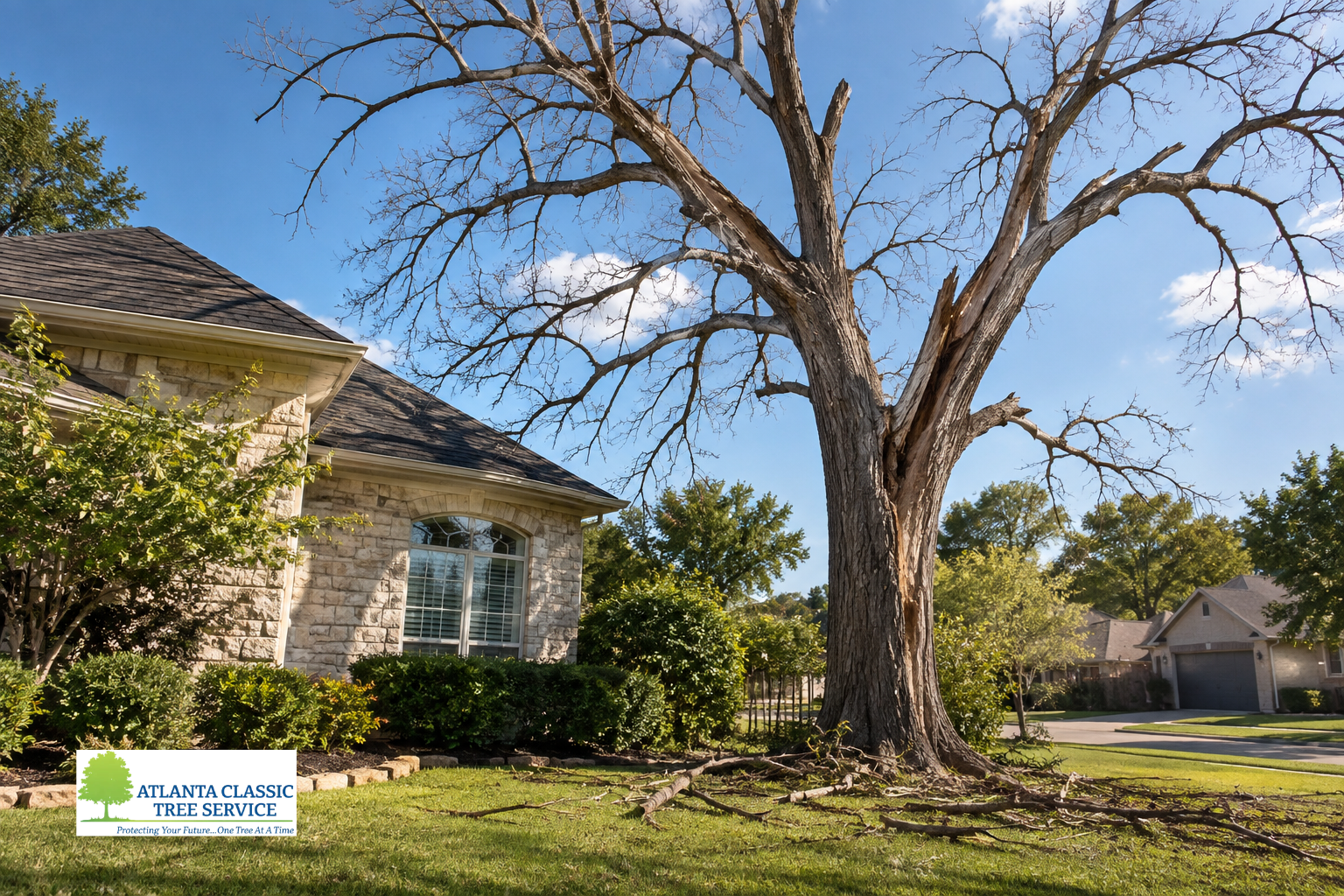
One of the biggest perks of tree trimming is safety. Weak or dead branches can break during storms or under their own weight, potentially damaging roofs, cars, or fences, and posing serious injury risks. Research shows that regular pruning decreases the chances of branch failure, making it an important safety measure for any property.
In storm-prone areas, trimming is even more valuable. For instance, Georgia's weather can be unpredictable, and strong winds can easily expose weaknesses in trees that haven't been maintained. If a tree is leaning or showing decay, additional support such as cabling and bracing may help stabilize it without having to remove it entirely.
Let's have more sunlight and Air
Trimming can open up the tree's canopy, allowing more sunlight to reach the grass, shrubs, and plants below. This extra light can boost lawn health and help other plants thrive. Improved airflow also reduces humidity, lowering the risk of fungal issues and other moisture-related problems. In many yards, the benefits are noticeable within a single growing season.
This technique is particularly useful in crowded landscapes or properties with mature shade trees. A popular method called crown-raising involves removing lower branches to create clearance and improve access beneath the tree. This can help with walkways, driveways, signage visibility, and overall use of outdoor space. For more details on this method, check out Gardening Know How's guide to crown raising.
How Tree Trimming Boosts Property Value
Improves Curb Appeal
Well-maintained trees instantly boost a property's look. Clean lines and healthy foliage create a sense of care that buyers, neighbors, and visitors notice right away. The appearance of your landscape is a major factor in curb appeal, and trees often serve as the focal point of the front yard. When they're properly trimmed, they enhance your home rather than overpower it.
Studies suggest that mature, healthy trees can increase property value by up to 10 percent. That potential return makes routine trimming a smart maintenance choice, not just a cosmetic one. Trimmed trees look intentional and attractive, while neglect can make even a beautiful yard feel messy. In competitive real estate markets, that visual edge can be crucial.
Cuts Down on Long-Term Maintenance Costs
Routine trimming is usually cheaper than dealing with emergency damage or tree decline later. Branches that grow too close to roofs, power lines, or structures can cause recurring problems. By trimming early, you can avoid costly repairs and reduce the need for emergency work. Preventive care is almost always more affordable than emergency intervention.
If a tree is already causing problems, more advanced services may be necessary. Sometimes, tree removal becomes the best option for a hazardous or damaged tree. In other cases, trimming and support might be the better choice. A qualified arborist can help you decide which option protects your property and your wallet.
Increases Buyer Confidence
Potential buyers often notice the landscape condition before they see the house details. Overgrown or diseased trees can create hesitation during a walkthrough or inspection. On the flip side, a tidy, healthy landscape shows consistent care, improving first impressions and perceived value.
For sellers, tree maintenance can be one of the easiest ways to boost marketability. It doesn't need a major renovation, but it can dramatically change how the property feels. A balanced canopy, clear sightlines, and well-managed shade make the yard feel safer and more inviting. That's why many real estate pros recommend sprucing up the landscape before listing a home.
Best Times and Techniques for Tree Trimming
Trim During Dormant Season When Possible
Arborists often recommend trimming during a tree's dormant period, usually from late winter to early spring. During dormancy, trees experience less stress, and pruning cuts are less likely to interfere with active growth. This timing also makes it easier to see the branch structure for more precise cuts. For many species, dormant pruning encourages healthier spring growth.
The best timing can vary depending on the tree species, site conditions, and the reason for trimming. Some trees do well with light seasonal pruning, while others might need more focused care after storms or disease. Because timing matters, annual inspections are a smart habit. If you're unsure when to trim, a certified arborist can create a schedule that fits your trees' needs.
Use Proper Pruning Methods
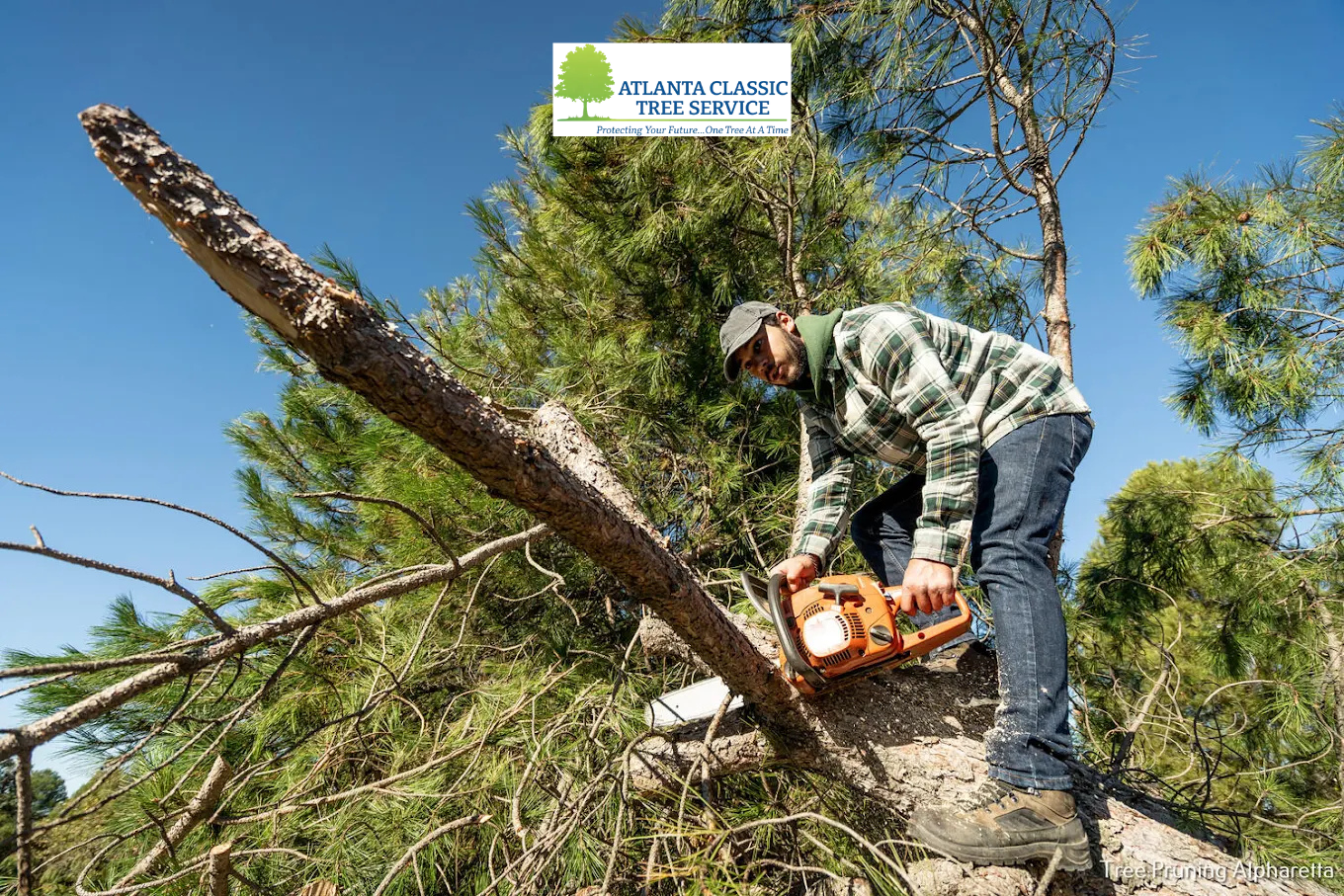
Professional tree pruning involves more than just cutting branches. It requires understanding tree biology, growth patterns, and structural priorities. Common techniques include thinning, crown reduction, crown raising, and deadwood removal. Each method has a different purpose, and the wrong cut can weaken the tree or cause long-term issues.
Proper techniques preserve the tree's natural form while reducing stress. For instance, thinning may improve light penetration and reduce wind resistance, while crown reduction can bring a large canopy back into balance. Making clean cuts at the right location helps trees heal more effectively. That's why professional service is usually the safest and most efficient choice for significant pruning jobs.
Know When Professional Help Is Necessary
While homeowners can handle minor pruning on small trees or low branches, larger or more complex jobs are best left to the pros. Working with tall trees, unstable limbs, or trees near structures can be dangerous without the right equipment and knowledge. A professional team can also spot signs of decay, pest damage, and structural weakness that may not be obvious to the average property owner.
For trees needing specialized care, services such as cabling and bracing or lightning protection might be recommended along with pruning. These solutions help protect valuable or historic trees while reducing risks. In other situations, pruning may be paired with targeted soil care or storm preparedness planning for a complete maintenance strategy.
Tree Trimming and Pest Prevention
Helps Catch Infestations Early
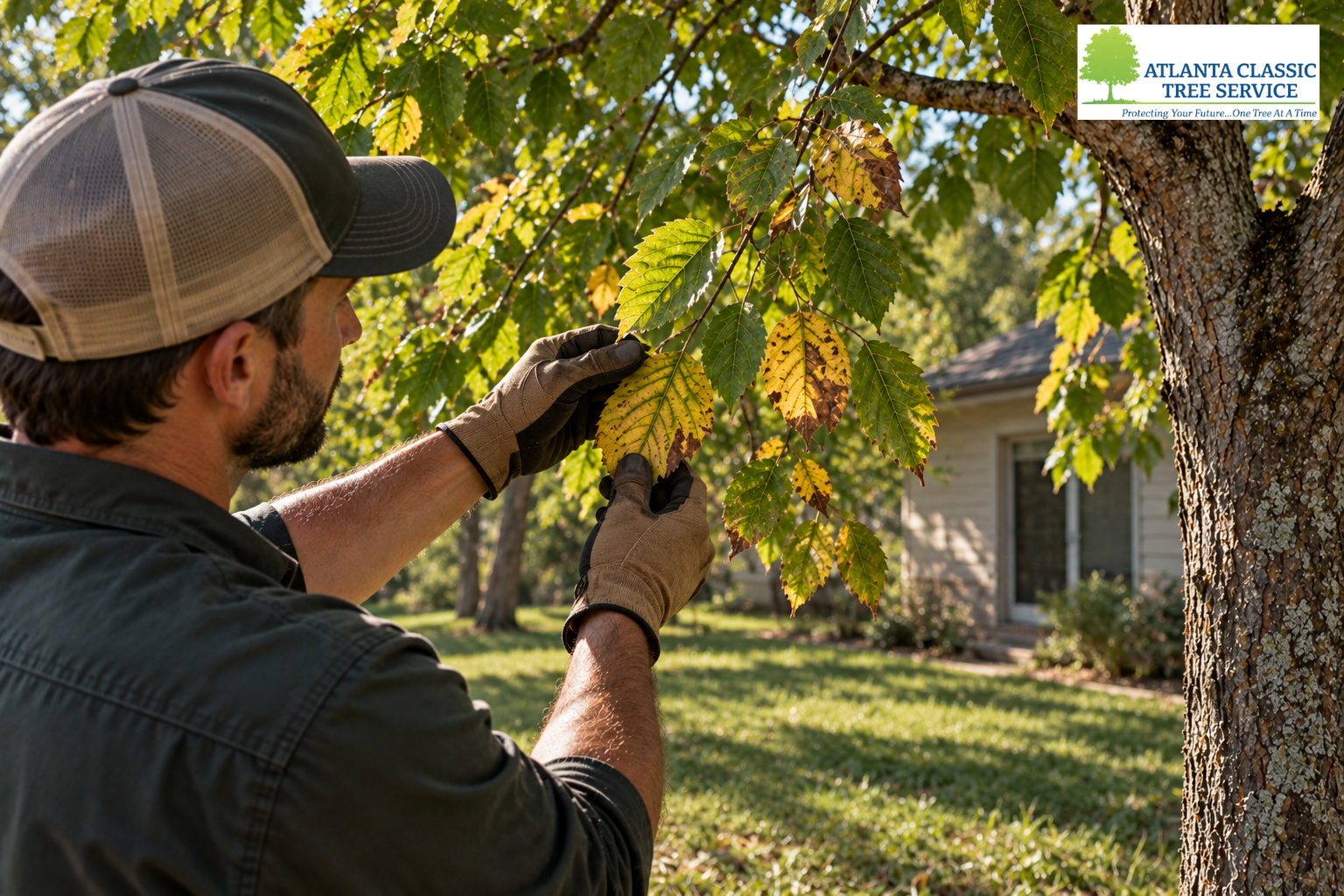
Regular trimming can make it easier to spot pest problems before they spread. Insects often target weak, injured, or overcrowded limbs first, so pruning away compromised material helps limit their opportunities. Open canopies also improve visibility, making it simpler to notice holes, frass, discoloration, or unusual dieback. Catching issues early is one of the best defenses against major tree loss.
Pest prevention in trees isn't only about cutting away diseased branches. It also involves maintaining tree vigor so the plant can better resist stress and recover from small injuries. Healthy trees are more resilient, which means they're less likely to suffer after minor pest activity. If you notice unusual leaf loss, sap flow, or branch dieback, it’s worth scheduling an inspection before it worsens.
Reduces Disease Pressure
Dense canopies can trap moisture and create conditions that encourage fungal growth and disease spread. By trimming overcrowded limbs, airflow improves, and leaves dry faster after rain or watering. This simple change can lower disease pressure and help the tree stay healthier throughout the season. For certain species, pruning also prevents infected limbs from spreading pathogens to nearby branches.
Good pruning hygiene is as important as the cut itself. Tools should be clean and sharp, and diseased material should be handled carefully to avoid spreading contamination. In landscapes where several trees are affected, targeted follow-up care may be necessary. Strategic trimming paired with proper maintenance is often the most effective way to protect the rest of the yard.
Supports Long-Term Tree Resilience
When trees are maintained regularly, they're better prepared to handle environmental stress. That includes drought, wind, heavy rain, and pest pressure. A well-structured tree with balanced branching is generally more stable and more capable of recovering after damage. Over time, this leads to stronger landscapes and fewer emergency calls.
Resilience is especially important in fast-growing suburban areas where trees may compete with buildings, utilities, and changing soil conditions. In these environments, regular care helps trees adapt instead of declining. Property owners who invest in ongoing maintenance typically see better outcomes than those who wait until visible problems appear. That's why professional tree service is such a valuable part of property management.
Real-World Examples and Local Considerations
Urban Properties Benefit from Routine Maintenance
In neighborhoods with mature trees and limited growing space, trimming helps prevent branches from interfering with rooftops, driveways, and sidewalks. This is common in urban and suburban areas where trees add beauty but also require active management. Regular maintenance keeps the landscape usable while preserving the environmental benefits of shade and canopy cover. The result is a more functional and attractive property.
Studies and industry reports also show that demand for tree trimming services continues to grow as residential and non-residential construction expands. As properties change, tree care becomes part of responsible site planning and long-term maintenance. Homeowners and property managers who stay ahead of growth issues usually face fewer surprises and lower long-term costs. That makes trimming a practical asset, not just a seasonal task.
Weather-Driven Care Matters in Georgia
In climates with warm temperatures and storm activity, trees can grow quickly and become hazardous sooner than expected. Heavy rain, strong winds, and summer storms can place extra stress on weak limbs and overloaded canopies. For property owners in Alpharetta and the surrounding area, routine trimming helps reduce the risk of storm damage before severe weather arrives. A proactive schedule is much safer than waiting for branches to fail.
Local knowledge matters because different trees and sites react differently to weather patterns. Some trees may need annual shaping, while others benefit from more frequent inspections after storms or during rapid growth periods. For homeowners who want dependable local care, tree service in Alpharetta, GA can provide the expertise needed to keep landscapes healthy and safe. That local approach is often what separates routine maintenance from true long-term tree management.
Commercial Properties Need Consistent Planning
Commercial landscapes face additional challenges because they must stay safe, attractive, and accessible for employees, customers, and tenants. Overgrown trees can block signage, create liability risks, and interfere with parking or walkways. Regular trimming helps businesses maintain a professional appearance while reducing the chance of costly accidents. In that sense, tree care is part of property operations.
For facilities, HOAs, and managed properties, ongoing service plans make the most sense. They help ensure that trimming happens before the canopy becomes unmanageable or hazardous. Many property managers also combine pruning with other services, such as stump grinding after removals or pond maintenance, when landscapes include drainage areas. A coordinated approach creates safer, cleaner, and more efficient outdoor spaces.
Frequently Asked Questions About Tree Trimming
How often should I trim my trees?
The answer depends on the tree species, age, location, and growth rate. In general, annual inspections are a smart starting point, and many trees benefit from routine trimming every one to three years. Fast-growing species or trees near structures may need more frequent attention. A professional evaluation can help determine the right schedule for your property.
Can I trim my trees myself?
Minor trimming can be done by homeowners if the branches are small and easy to reach. However, larger limbs, tall trees, and trees near utilities should be handled by professionals. Improper cuts or unsafe climbing can create more problems than they solve. If a tree has structural issues, disease, or storm damage, expert care is strongly recommended.
What happens if I wait too long?
Waiting too long can lead to overgrowth, branch failure, reduced sunlight, pest problems, and expensive repairs. A neglected tree may require more aggressive pruning or even removal if the structure becomes unsafe. Delaying maintenance can also reduce the tree’s natural form and make recovery more difficult. Preventive care almost always produces better results.
Why Professional Tree Care Makes a Difference
Experience Leads to Better Results
Professional arborists understand how to trim trees without compromising their health or stability. They know how different species respond to cuts, how to identify hidden hazards, and how to create a maintenance plan that supports long-term growth. That experience matters when the goal is not just to cut branches, but to improve the tree’s future. A skilled team can make a landscape safer and more beautiful at the same time.
Atlanta Classic Tree Service has served the Metro Atlanta area since 1987, helping property owners protect their investments through thoughtful tree care. As a company committed to industry standards and safety, the team provides support for pruning, removal, cabling, fertilization, and more. When a property needs a full tree care plan, professional guidance makes the process simpler and more effective.
Safety, Equipment, and Standards Matter
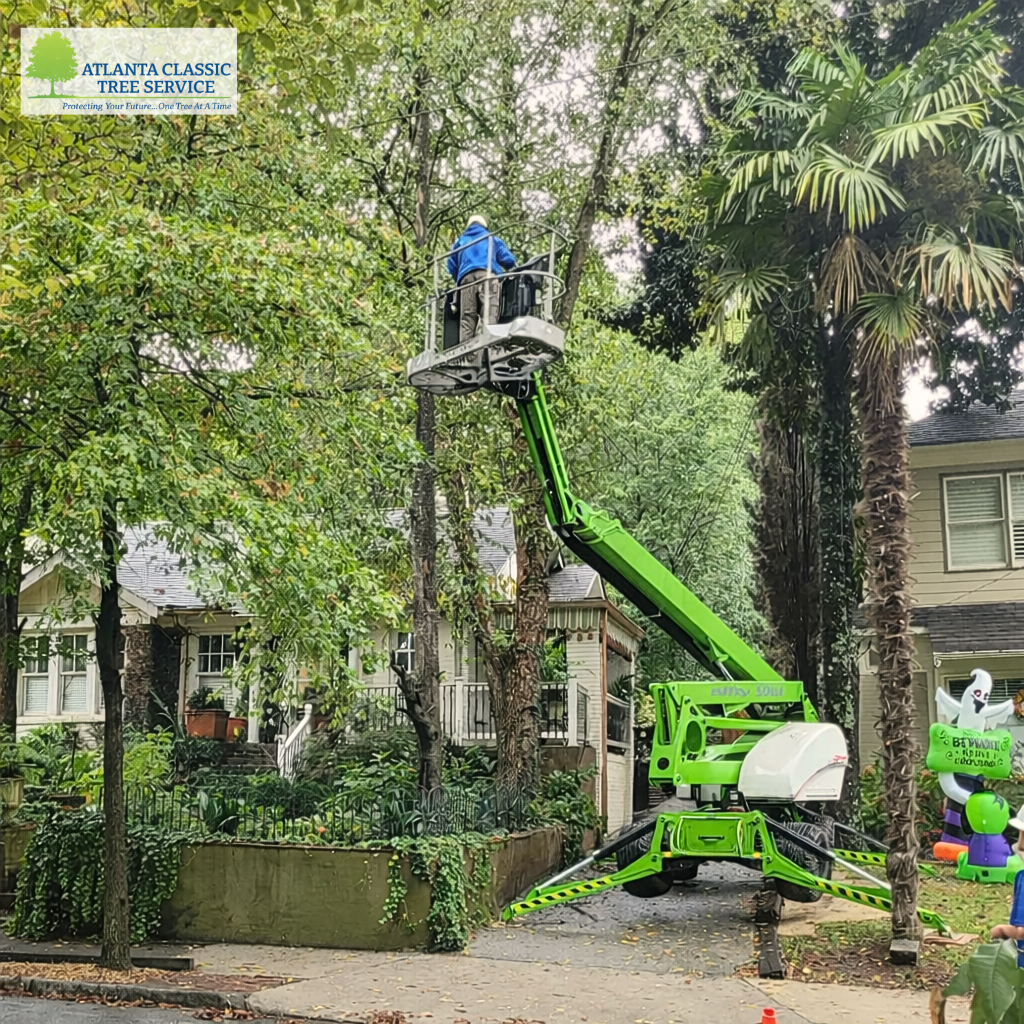
Tree trimming often requires specialized equipment, climbing techniques, and careful planning. Professionals are trained to work around roofs, fences, utility lines, and unstable limbs without creating unnecessary risk. They also follow recognized standards from organizations such as the International Society of Arboriculture and the Tree Care Industry Association, which help promote safe and ethical tree care practices. Those standards matter because they protect both the tree and the property owner.
For homeowners, the value of professional work is peace of mind. You do not have to guess which limbs should come off, how much to remove, or whether the tree is in danger. Instead, you get informed recommendations based on tree biology and practical site conditions. That level of care is especially important when trees are large, valuable, or located close to structures.
Choose a Maintenance Plan That Fits Your Landscape
Every property is different, so tree trimming should be customized to the site rather than treated as a one-size-fits-all task. Some landscapes need seasonal maintenance, while others benefit from more detailed structural pruning and support services. A custom plan can also incorporate soil health, pest prevention, and storm readiness. That kind of planning helps preserve both the beauty and the function of the landscape.
If you are unsure where to begin, start with a professional assessment and a clear priority list. Address hazardous limbs first, then focus on structure, appearance, and long-term tree health. In some cases, the best next step may be a simple trim; in others, it may include support or removal. The right plan depends on the tree, the property, and your goals.
Final Thoughts: Make Tree Trimming Part of Your Landscape Strategy
Regular tree trimming is one of the most effective ways to protect your property, improve curb appeal, and support healthy growth. It reduces safety hazards, helps prevent pests and disease, and can even increase property value over time. When combined with proper timing and expert technique, trimming becomes a powerful part of long-term landscape care. It is a proactive step that pays off in both appearance and performance.
If your trees are overgrown, storm-prone, or simply overdue for maintenance, now is the time to act. A professional assessment can identify risks, recommend the right pruning approach, and help you build a maintenance plan that fits your property. For trusted local support, explore our tree pruning services or learn more about our tree service in Roswell, GA, for nearby property care. You can also review extension guidance on tree pruning practices for additional general best-practice information.
Whether you manage a home, business, or larger landscape, consistent tree care helps your outdoor spaces stay safe, attractive, and resilient. If you are ready to improve your trees and protect your investment, contact Atlanta Classic Tree Service today at (770) 497-1941 or visit atlantaclassictree.com to get started with a professional evaluation.