Why Some Trees Need Support
Trees bring shade, beauty, and value to your property, but they sometimes need a little help to stay safe as they grow. If a tree develops weak spots like a heavy limb, a split trunk, or unstable roots, adding support can make all the difference. This keeps the tree healthy and prevents it from becoming a hazard. Often, getting proactive help from a certified arborist can mean the difference between a thriving tree and one that’s risky.
This guide covers why support matters, how modern systems work, and what signs to watch for. You'll learn about services such as cabling and bracing, pruning, and regular risk assessments that work together to protect trees, people, and property. For those in storm-prone areas, taking action early is key, as tree weaknesses often show up only after a storm. Standards from the Tree Care Industry Association help guide safe and effective support practices.
Understanding Structural Support
What Support Systems Do
Structural support helps a tree handle its own weight safely. The idea isn't to "fix" a tree like you would a broken beam, but to bolster its natural structure to better withstand weather and growth stress. When done right, support systems stabilize weak branches, reduce movement in split trunks, and help older trees stay safe without changing their look too much.
Support is especially useful for trees that are valuable, historic, or near homes and walkways. In these cases, deciding to preserve a tree with intervention is often better than removing it. A thoughtful plan can extend the tree's life and lower risk to the area below.
Common Support Methods
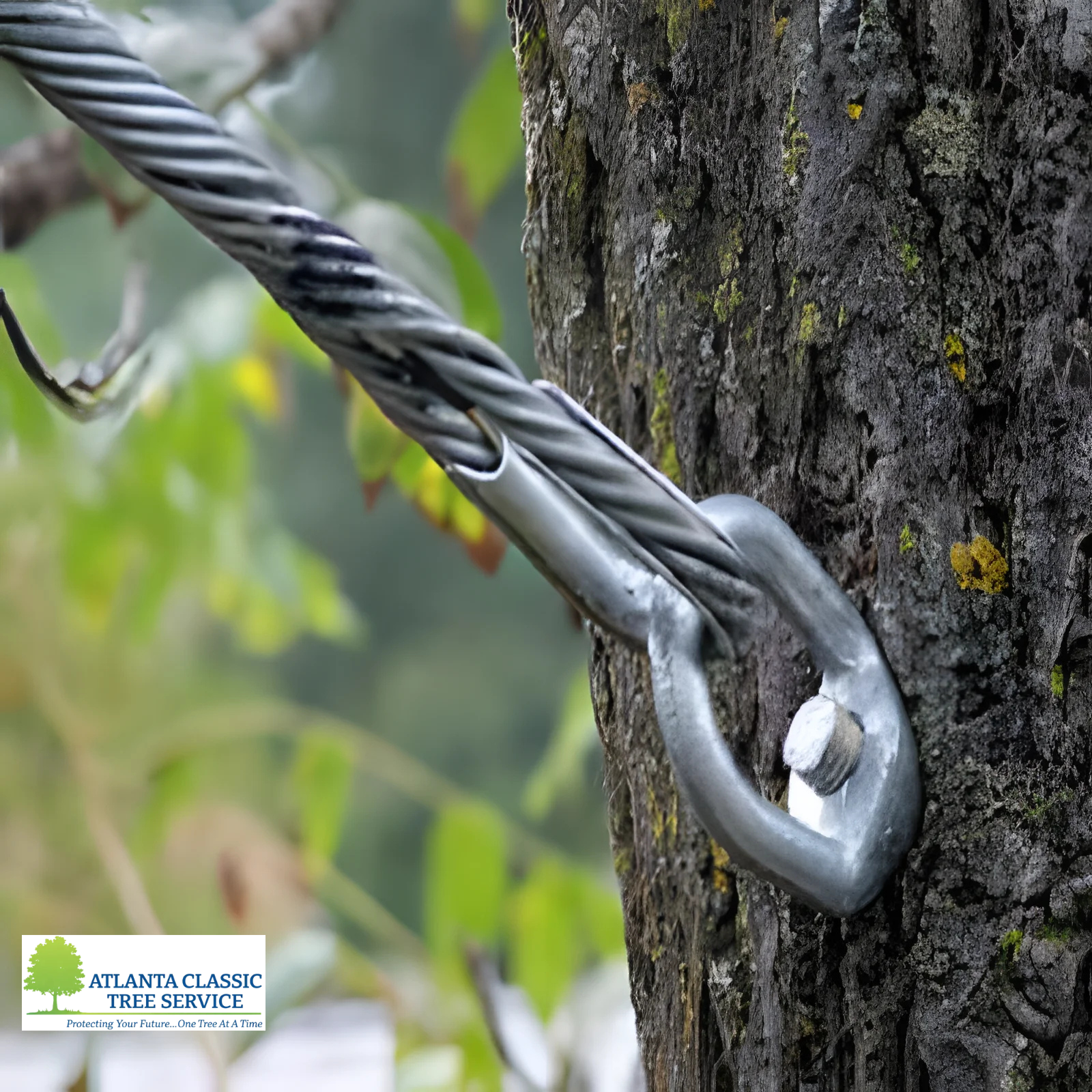
The most common methods are cabling and bracing. Cabling limits excessive movement with flexible cables, while bracing uses rigid rods to reinforce weak areas. These techniques are often combined, depending on the tree's condition and the arborist's evaluation. Modern materials are more discreet than older systems, allowing support to be installed with less impact on the tree's natural look.
Other strategies include selective pruning, managing the root zone, mulching, and improving soil. These don't replace cabling and bracing, but help reduce stress and improve overall stability. Together, they form a practical maintenance plan that supports both health and safety.
Why Trees Weaken
Species and Growth Patterns
Not every tree grows the same way. Some naturally have strong central leaders and solid branches, while others develop co-dominant stems or narrow branch angles. As trees age, these traits can become more pronounced, especially if affected by crowding, poor pruning, or storms.
Tree species also affect how likely they are to need support later. Fast-growing trees might develop weak wood or extend their canopy before their structure is mature. Meanwhile, slower-growing species may be strong but still need help if they're damaged by construction, lightning, or changing soil conditions.
Environmental Stress and Storms
Environmental factors can turn a manageable weakness into a serious issue. Heavy rain can soften soil and reduce root stability. High winds exploit long limbs, open cavities, or past pruning wounds. Drought reduces vigor, while freeze-thaw cycles worsen cracks. According to the National Weather Service, severe storms can create sudden hazards, making preventative inspection valuable.
Often, the real issue isn't one dramatic flaw but a combination of stressors. A tree with a large canopy, poor pruning history, and shallow roots may seem stable but fail under the first major storm. That's why structural support is recommended after a professional inspection rather than after an emergency.
Hidden Weaknesses
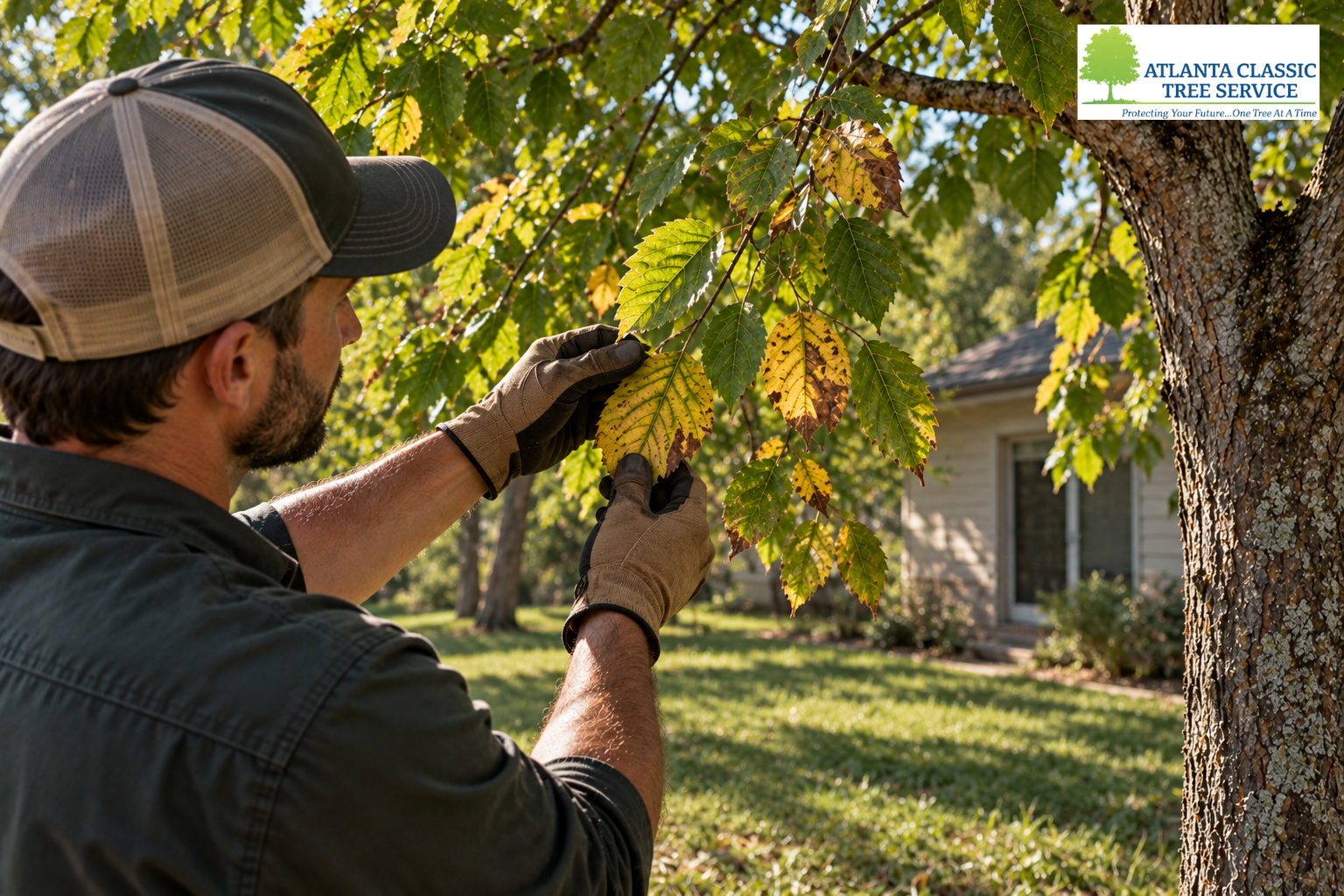
Some of the most dangerous problems aren't visible. Decay inside the trunk, including bark, root instability, or internal cracks, may not be obvious from the ground. A tree can look healthy while carrying a defect that only shows when stressed by wind or weight. This is why routine inspections are crucial.
If a tree shows uneven growth, repeated limb breakage, or an increasing lean, it should be evaluated quickly. If the weakness is severe, removal may be recommended. In other cases, support can preserve the tree. For more on spotting dangerous signs, check out our guide on unsafe trees.
Modern Support Methods and Trends
New Materials and Systems
Tree care has come a long way, especially in the materials used for support. Today’s systems use high-strength steel cables and flexible rods that distribute force better than older methods. These upgrades help support work with the tree's natural movement.
The best systems are durable but not intrusive. Homeowners don’t want support hardware dominating the landscape. Modern cabling and bracing can often be hidden, preserving the appearance of mature trees.
Tree Risk Assessment Tools
Technology is also changing tree risk assessment. Arborists use digital records, photos, and monitoring systems to track changes over time. Some tools measure lean, canopy distribution, or movement after storms. This leads to better decisions about whether a tree needs support, pruning, or removal.
The International Society of Arboriculture promotes assessment practices that reduce tree failure risk. Research shows regular inspections can significantly cut accident risk. Proactive tree maintenance can decrease tree-related accidents by up to 50%, which is why assessments are becoming more central to property care.
Support as Part of a Health Plan
One big change in tree care is seeing support as part of a whole system: roots, trunk, canopy, soil, and site conditions. A tree might need support but also thinning cuts, root improvements, or fertilization to reduce stress. This complete approach is especially effective for trees under wind pressure or growing in compacted soil.
For example, a tree with a large crown and a weak leader benefits from cabling and targeted pruning. Pruning reduces leverage, while cabling limits movement. Together, these methods support structural integrity.
When to Support a Tree
Visible Warning Signs
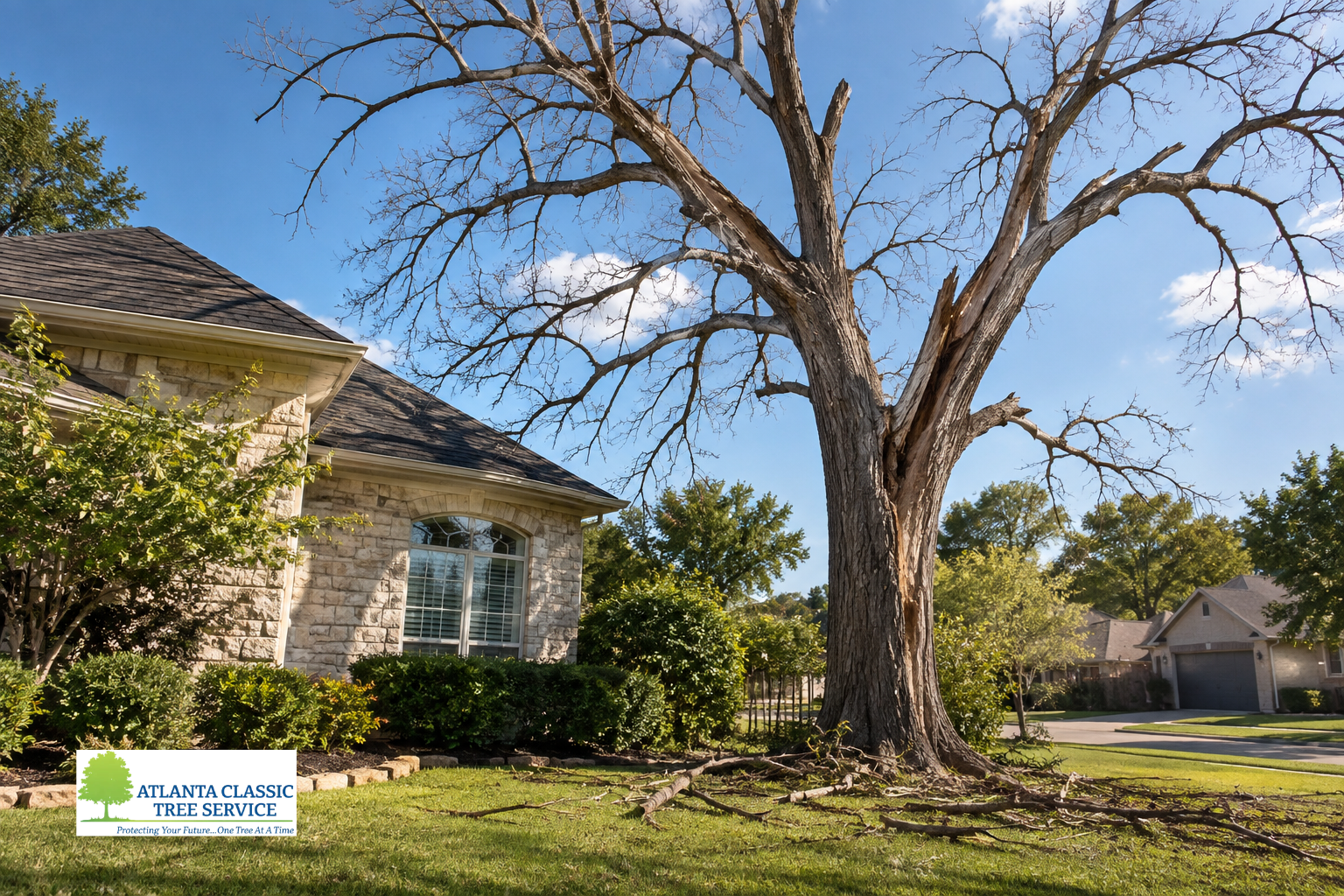
Support is often considered when a tree shows clear signs of weakness. These include a lean, split trunk, elongated limbs, visible cracks, or a co-dominant stem with included bark. A tree that has dropped large limbs might indicate a structural problem, not a one-time accident.
Changes in root flare, shifting soil, or movement after storms also matter. If a tree shifts more than others in wind, the roots might not be anchoring it properly. In these cases, support can be part of a solution but should only be recommended after a proper evaluation.
When Support Helps
Support is worthwhile when a tree is healthy enough to preserve. This might include a mature oak with a weak branch, a landscape tree near a house, or a historic tree with community value. Instead of taking down a healthy tree for one problem, support can buy time and reduce risk.
Support also makes sense when a tree adds shade, curb appeal, or habitat value. Urban forestry often tries to preserve canopy because mature trees offer benefits that young replacements can’t match. The key is balancing preservation with safety, so every recommendation should come from a qualified arborist.
When Removal is Best
Not every weak tree should be supported. If decay is extensive, roots are compromised, or the tree has failed repeatedly, support may only delay the problem. In these cases, removing the tree is the safest choice. A good arborist will explain why a tree can or can't be saved, instead of recommending support automatically.
If you want to understand the alternative, check out our tree removal service and compare it to the cost and risk of preserving a compromised tree. The right decision depends on structure, site conditions, and safety.
How Arborists Check Tree Stability
Full-Tree Inspection
A professional evaluation starts with a visual inspection of the whole tree and its surroundings. Arborists check the root flare, trunk, major limbs, branch unions, canopy distribution, and decay signs. They also look for soil movement, compaction, drainage issues, construction injury, or grading changes that might affect root function.
This thorough review matters because structural weakness rarely exists alone. A tree might have a strong trunk but weak roots, or healthy roots but a dangerous split leader. The best recommendation considers all factors, not just what’s easy to see.
Risk Based on Location
The same defect can carry different risks depending on where a tree stands. A weak branch over a back fence isn't the same as one over a roof or playground. Arborists evaluate the likelihood and consequences of failure together, helping decide if support, pruning, monitoring, or removal is best.
Urban forestry standards increasingly recognize this risk-based model. A tree in a low-traffic area might be monitored longer, while one over a structure might need immediate action. Professional judgment is crucial: the tree itself is only part of the equation.
Why Regular Inspections Matter
Regular inspections are one of the simplest ways to prevent failures. A tree that’s safe today might not be safe next season after storms or growth changes. Certified arborists compare current conditions to previous visits to spot changes early. This allows for timely support before defects become dangerous.
For a routine maintenance plan, combine structural checks with seasonal care like fertilization and pruning. Healthy, well-managed trees handle stress better, and routine oversight helps catch problems when they're manageable.
Best Practices for Support and Maintenance
Customize Cabling and Bracing
There's no one-size-fits-all support system. Cable and brace placement, hardware selection, and installation height depend on the tree's structure and the defect. In some cases, a single cable reduces movement; in others, multiple braces are needed.
Improper installation can create new problems. That's why these systems should be installed by trained professionals who understand tree biology and mechanical support. The goal is to support the tree without harming it.
Pruning Reduces Stress
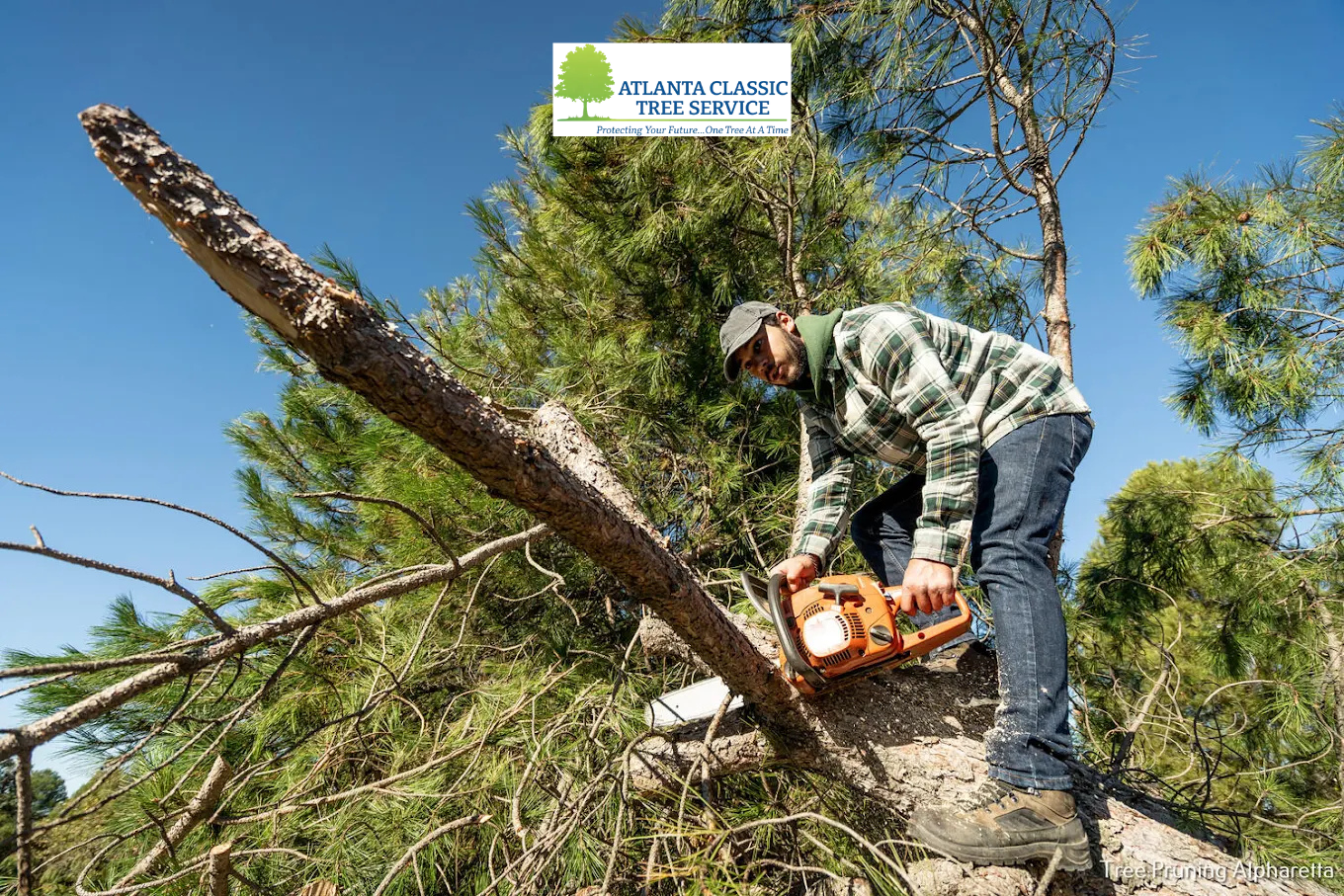
Pruning is often the best way to lighten the load on a weak structure. By removing dead, diseased, or overextended limbs, an arborist reduces leverage on the trunk or union. Sometimes, pruning can eliminate the need for more invasive support. In others, it improves the effectiveness of cables and braces.
For trees already showing strain, strategic pruning is about redistributing weight, reducing wind resistance, and preserving health. For more on pruning, see our article on tree pruning warning signs.
Root Management is Key
Roots are the foundation of a tree’s stability, so root-zone care matters as much as canopy work. Compacted soil, turf competition, grade changes, and poor drainage reduce root performance. Arborists may recommend mulching, soil improvement, aeration, or limiting disturbance in the root zone.
In some landscapes, root damage is why a tree keeps leaning. When that happens, support systems alone aren't enough. The root environment must be improved to reduce long-term failure risk.
Real-World Example: Support in a Stormy Area
Conditions Increase Support Needs
In humid areas with fast-growing canopies and frequent storms, structural support is crucial. Heavy rain softens soil, while sudden wind gusts stress limbs. Trees with unnoticed weaknesses often fail in these conditions, which is why inspections before storm season help.
Imagine a mature shade tree with two large stems forming a narrow “V” shape. It looks nice, but the union is weak. An arborist might suggest cabling and bracing with selective pruning to keep the tree safe. This approach can preserve the tree’s value and lower the chance of sudden breaks.
Local Experts Tailor Solutions
Local experience matters because species, soil, and weather shape the final recommendation. At Atlanta Classic Tree Service, the team evaluates each tree based on structure, health, and site-specific risk, so the support system fits the property. This is especially useful for mature trees in landscape design.
For expert help, our cabling and bracing service stabilizes weak limbs without compromising the tree’s character. Pairing this with tree pruning and monitoring creates a durable long-term solution.
FAQs About Tree Support
How Long Does Support Last?
The lifespan depends on the tree’s growth rate, hardware used, and the condition. Some systems last many years but need periodic inspection to stay effective. As a tree grows, hardware may need adjustment.
Is Support Safe for Trees?
Yes, when correctly installed by a qualified professional, support is safe and beneficial. It reduces breakage and helps the tree grow with less risk. Problems usually arise when systems are too tight, placed incorrectly, or left uninspected.
Can Support Save a Tree with Major Defects?
Sometimes, but not always. A tree with localized weakness may respond well to cabling, bracing, or pruning. A tree with widespread decay or root failure may be beyond saving. An arborist should make that call after evaluating the tree.
What Should I Do After a Storm?
After strong winds or rain, inspect your trees for hanging limbs, cracks, leaning, or exposed roots. Don’t climb or stand under a damaged tree. If you suspect a problem, contact a professional. It's safer to assess first, act second.
Choosing the Right Tree Care Partner
Look for Credentials and Experience
Support work is specialized, so credentials matter. Look for ISA-certified arborists and a company that follows safety standards. Experience matters, too, because support decisions depend on species knowledge and structural diagnosis.
Atlanta Classic Tree Service has served the Atlanta area since 1987, bringing decades of experience to every inspection. This background ensures support recommendations are careful decisions based on visible structure, tree biology, and site conditions.
Expect Clear Communication
A reliable tree care partner should explain problems, risks, and options in simple terms. You should understand why support is recommended, what the system will do, and how often the tree should be checked. Clear communication helps you make better decisions.
If considering a larger tree care plan, review services like lightning protection for tall trees or tree removal if a tree is too far gone. The right company helps weigh each option honestly instead of pushing a single solution.
Keeping Trees, Property, and Peace of Mind Safe
Support is About Prevention
Tree support is one of the best ways to reduce risk while preserving valuable trees. When a tree has a weakness but strong recovery potential, support can extend its life and reduce failure risk. It’s a smart investment in safety and sustainability.
For homeowners and businesses, the benefits go beyond the tree. Better stability means fewer hazards and more confidence that the landscape is well managed. It also supports urban forestry by preserving mature canopy wherever possible.
Act Before the Next Storm
If you have a tree that leans, splits, or shows stress, don’t wait for the next storm to get it checked. A professional evaluation can tell you whether support, pruning, monitoring, or removal is best. Early action is safer, more affordable, and less stressful than emergency cleanup.
To learn how a customized solution could help your property, contact Atlanta Classic Tree Service today at (770) 497-1941 or visit our website. With the right care, many trees can remain beautiful and safe for years to come.