Taking care of your trees is key to having a safe and beautiful yard. While you might be able to handle a little pruning on small trees, certain situations call for professional gear and skills. Big branches, wobbly trees, storm damage, power lines, and hard-to-reach tree tops are all tricky and need special tools and trained crews.
If you're a homeowner wanting to keep both your trees and home safe, knowing when to call in the pros is crucial. This guide will clue you in on when a job is beyond basic upkeep, the gear modern arborists use, and how expert tree care boosts your property's value. If you're deciding between tree pruning services or thinking a more complex solution might be needed, read on to make a smart and safe choice.
Professional tree care is also about safety and saving money. The U.S. Bureau of Labor Statistics lists tree trimming and removal as some of the riskier jobs out there, so it's often best to let the experts handle the big projects. Plus, well-tended trees can improve your home's curb appeal and potentially raise its value. For more on safe work practices, check out the OSHA tree care safety resources.
Why Tree Trimming Is More Complex Than It Looks
Tree Biology and Structure Matter
Tree trimming isn't just about making things look tidy. Each cut affects how a tree grows, balances weight, and handles stress. Cutting the wrong branch or trimming at the wrong time can make the tree more prone to decay and pest problems. That's why experts focus on selective pruning instead of random cutting.
Certified arborists are trained to evaluate how branches attach, balance a tree's crown, and understand how different species grow. They know when a limb should be removed, when a reduction is needed, and when it's best to leave a branch alone. For a health-focused approach, a professional team offering pruning services can help keep your trees looking good and stable.
Not All Trees Present the Same Risk
A small ornamental tree in an open yard is a whole different ball game from a mature oak near your roof, driveway, or power lines. The taller the canopy and the more exposed the work area, the more likely you'll need climbing gear, rigging, or lifting equipment. A ladder and a hand saw often aren't enough to tackle the job safely.
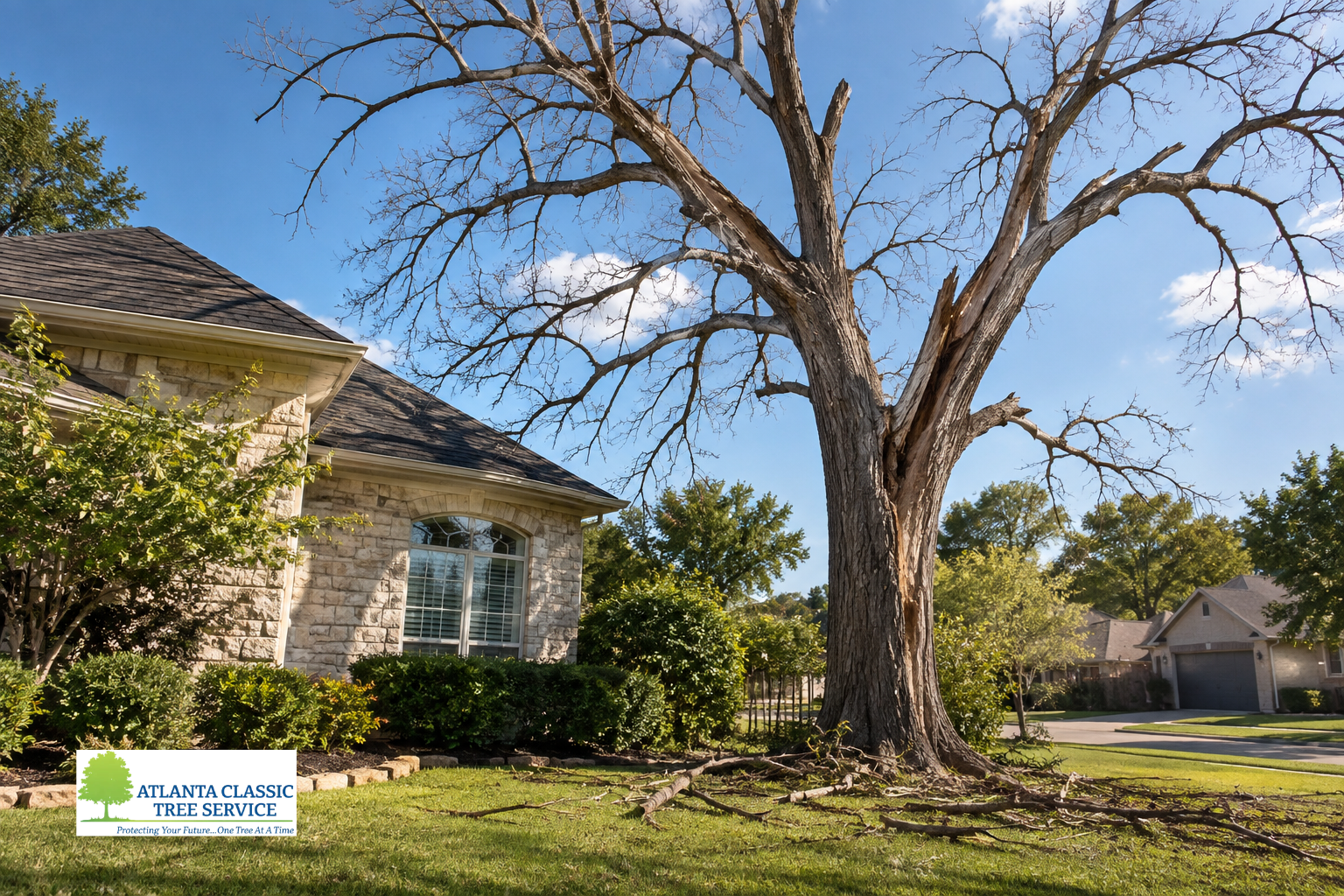
Risk goes up if a tree is weak from disease, storm damage, root disturbance, or past poor cuts. Trees with split trunks, dangling branches, or a heavy lean might need extra support or removal before any trimming happens. When a tree looks unstable, it might be time to consider tree removal as a safer option.
Signs the Job Requires Professional Equipment
The Canopy Is Too High to Reach Safely
If you can't reach the branches from the ground with regular pruning tools, it's a sign that professional equipment is needed. High trimming involves climbing gear, aerial lifts, or bucket trucks. It's not just tough—it's risky without proper safety measures.
Professional crews use equipment to access branches without putting themselves or the tree at risk. This is especially crucial for mature shade trees, tall evergreens, or trees on slopes. In a city or suburb, special access tools can make a huge difference in keeping the trim controlled and safe.
The Tree Is Near Structures or Power Lines
Branches touching roofs, windows, fences, or power lines are higher-risk projects. Working near buildings requires careful rigging so limbs don't fall and cause damage. Near power lines, the risk of injury or outages is even greater.
In these cases, professional coordination is as crucial as the tools themselves. Experienced crews plan cuts, manage drop zones, and use equipment designed for precision. If dangerous limb removal or storm-damaged trees are involved, it might overlap with hazard tree services and is best left to specialists.
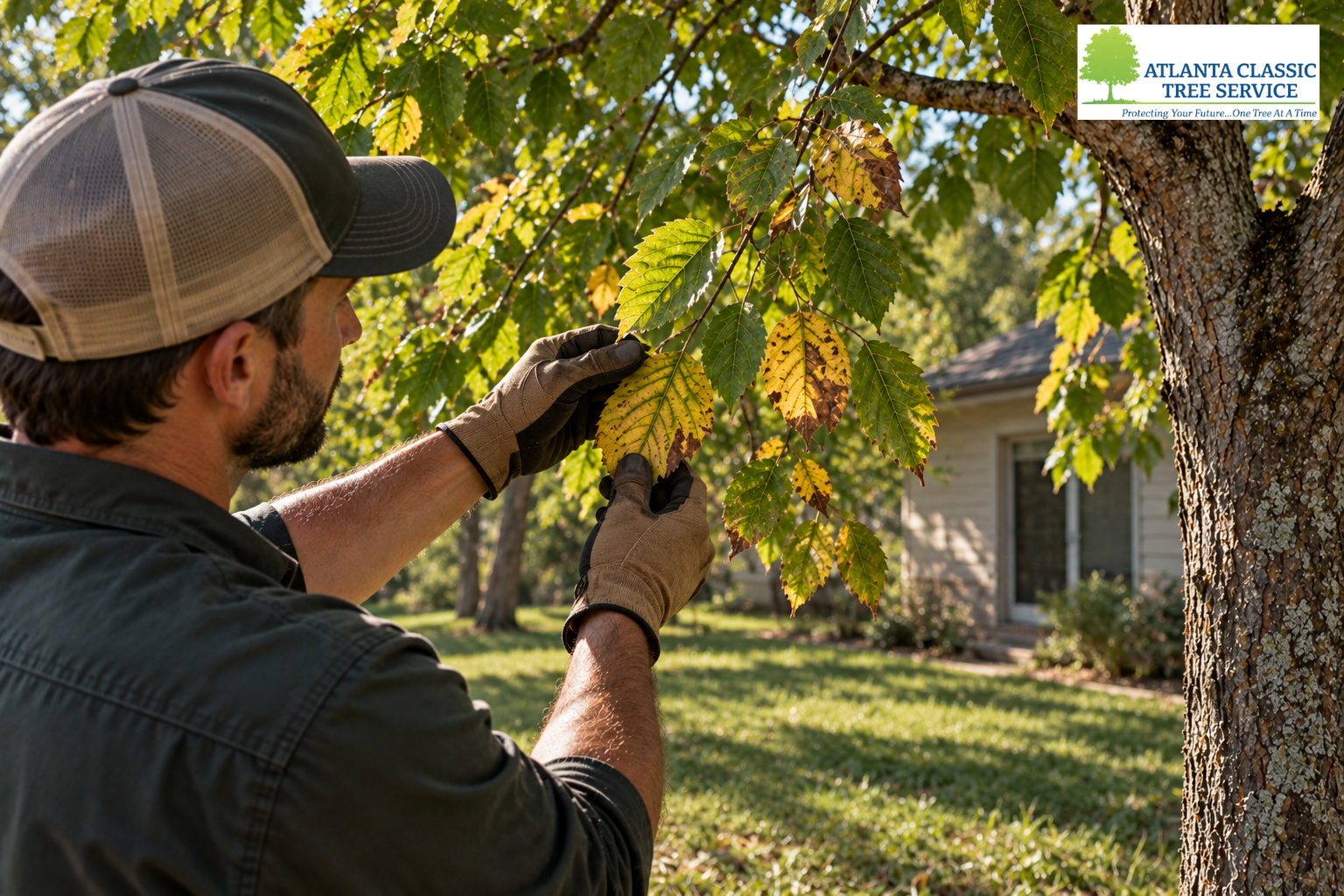
The Tree Has Dead, Diseased, or Unstable Limbs
Deadwood is a common reason folks call in a tree service. Dead, cracked, or diseased limbs can fall without warning, especially when it’s windy. Removing these branches might seem easy, but if they're large or hanging over something, they could need ropes, rigging, or aerial access.
Selective pruning is even more important when disease is involved. Cuts should be made to minimize the spread of disease and promote healthy regrowth. For more on tree health and urban forestry, the USDA Forest Service offers valuable resources.
Modern Equipment Changing the Tree Trimming Industry
Aerial Lifts and Bucket Trucks
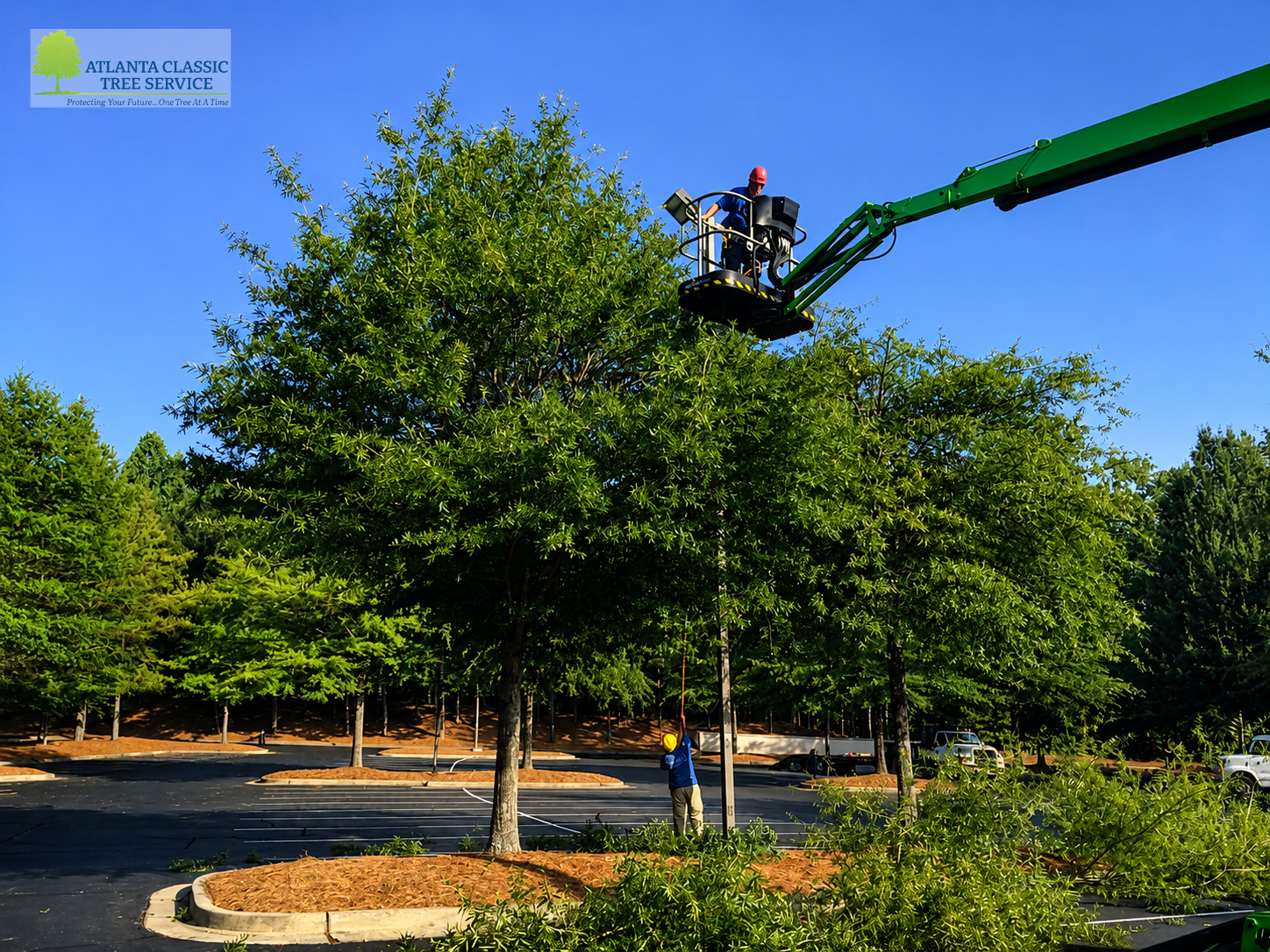
A big change in tree services is the use of aerial lifts and bucket trucks. These machines let arborists reach tall branches safely while staying stable. Instead of risky climbing, crews can get close to the work area and make precise cuts.
Aerial access is especially valuable when trees are in tight spaces, near buildings, or where ground conditions make climbing dangerous. It also boosts efficiency, reducing both labor time and disruption. For homeowners, this means safer work and often neater results.
Cranes and Advanced Rigging Systems
For big or damaged trees, cranes and rigging systems are becoming more important. These tools help pros lift heavy limbs in controlled sections, reducing property damage risk and making it possible to work on otherwise dangerous trees.
Cranes are often used after storms or on trees with a lot of decay or awkward lean. The goal isn't just to remove wood faster but to do so in a way that preserves the surroundings. A skilled team knows when to use this gear and how to do it responsibly.
Remote-Controlled and Electric Tools
The tree service industry is moving towards more sustainable practices. Many crews now use electric-powered tools that cut down on noise and emissions. In neighborhoods, this can make a noticeable difference while supporting eco-friendly operations.
Remote-controlled tools and specialized cutting devices are expanding what's possible in tight or hazardous conditions. These innovations are great in tight spots where precision matters. As technology evolves, clients benefit from cleaner cuts, better access, and a more efficient workflow that aligns with modern urban forestry practices.
Why Certified Arborists Make a Difference
Training Improves Tree Health Outcomes
Certified arborists bring more than tools—they bring judgment. They know how to trim trees in ways that improve structure, reduce stress, and support long-term growth. This includes understanding how much canopy to remove and avoiding cuts that expose the tree to unnecessary damage.
This level of care is crucial because poorly executed trimming can lead to weak regrowth, sunscald, excessive sprouting, or long-term decline. Homeowners wanting to protect mature trees should look for companies that follow industry standards and have experience with cabling and bracing when structural support is needed. This proactive tree management is invaluable for trees that are valuable yet vulnerable.
Certification Supports Safety and Accountability
Professional credentials matter because tree work is risky. Certified arborists know how to spot hazards, use protective gear, and follow best practices. They can assess whether a tree can be saved, if corrective pruning is enough, or if removal is the safer choice.
The International Society of Arboriculture offers an overview of tree care standards and professional certification. For property owners, this is a reminder that proper tree trimming is both a technical skill and a safety discipline. Hiring qualified professionals helps reduce injuries, property damage, and avoidable tree loss.
Better Decisions During Difficult Projects
Some trees are straightforward, while others need a more nuanced assessment, especially when they’re mature, storm-damaged, or close to valuable structures. Certified arborists can tell if a tree should be pruned, supported, monitored, or removed. This expertise helps clients avoid rushed decisions and invest in the right solution the first time.
Often, expert judgment turns a stressful project into a manageable one. A pro might notice root issues, internal decay, or poor branch structure that wouldn’t be obvious to most homeowners. This assessment is why tree care is a specialized field rather than a simple landscaping task.
How Timing Affects Trimming Results
The Dormant Season Is Often Best
Most trees do well with trimming during the dormant season, usually late winter to early spring. The tree experiences less stress, and pruning wounds can heal more predictably as it starts to grow again. Without leaves, it's easier to see the branch structure too.
Timing matters because different species respond differently. Some flowering trees should be trimmed after blooming, while others are better pruned before active growth starts. A pro who knows tree pruning timing and warning signs can recommend a schedule that supports both appearance and health.
Avoid Trimming at the Wrong Moment
Trimming during extreme heat, active disease spread, or heavy insect activity can stress the tree. Sometimes improper timing can also mess with flowering or fruit production. The goal is not to trim as often as possible but to trim with purpose and in the right season.
Homeowners often underestimate how timing interacts with tree biology. A professional crew can explain whether a tree should be lightly shaped, structurally corrected, or left alone until a more appropriate time. This advice is particularly helpful for valuable mature trees or ornamental plantings where appearance and health both matter.
Real-World Examples Where Equipment Makes the Difference
Storm Damage Cleanup
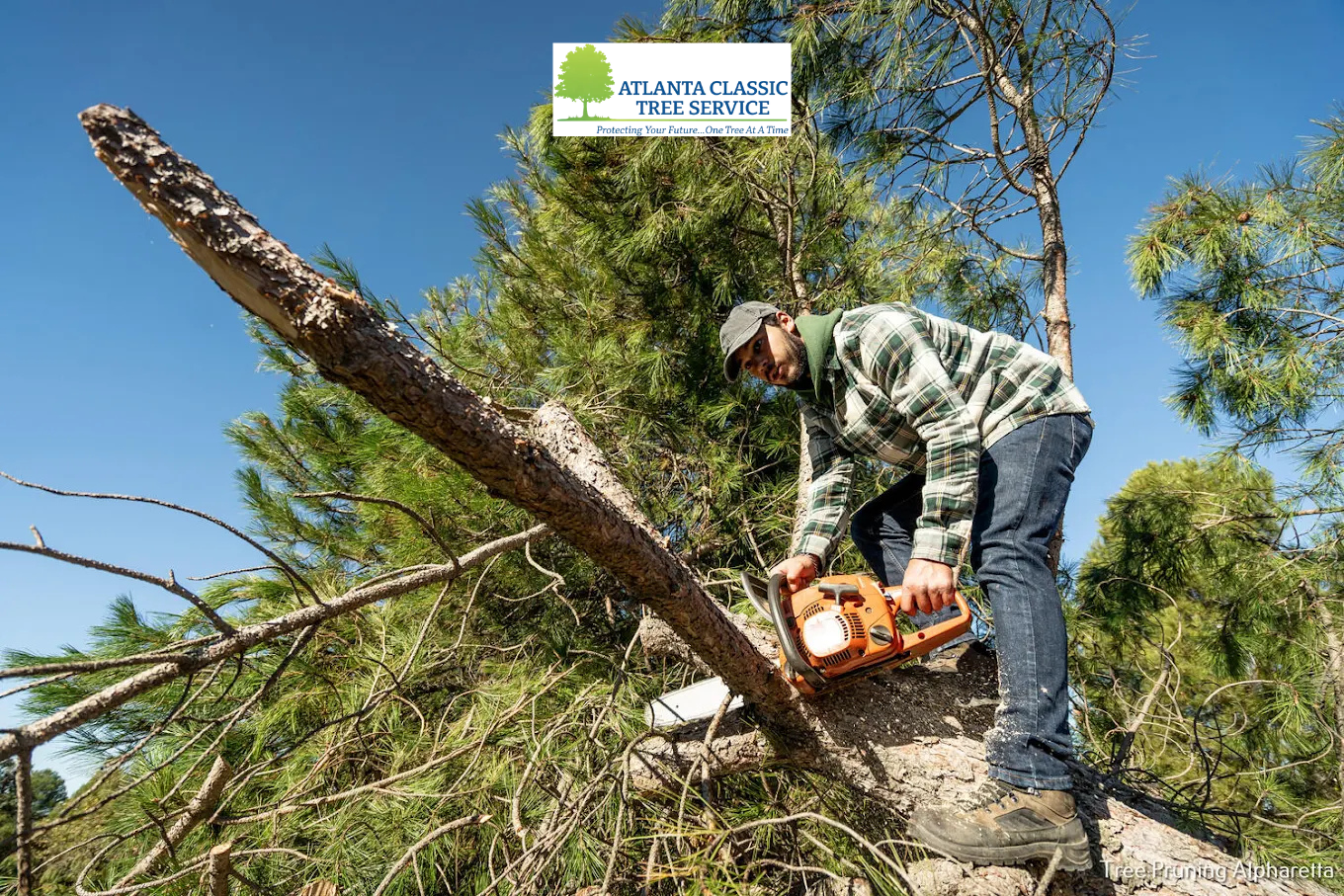
After a bad storm, a fallen or broken tree can block driveways, damage fences, or hang over roofs. Standard trimming tools just won't cut it. Crews may need chainsaws, rigging gear, lifts, and sometimes crane support to stabilize the scene and clear debris safely.
A common scenario is a large limb resting on a driveway after high winds. A pro team can secure the area first, then remove the branch in sections to prevent further damage. This is where services like tree removal become part of a larger emergency response rather than just a cleanup task.
Aesthetic Improvement Without Harming the Tree
Not every job is an emergency. Sometimes a homeowner just wants a cleaner, more balanced look to boost curb appeal. Even then, equipment matters. A tall landscape tree may need aerial access for selective crown work, while a multi-stem tree with dense growth may require precise cuts from different angles.
The right approach enhances the property without over-thinning the canopy or stressing the tree. When done well, trimming can improve light penetration, reduce rubbing limbs, and help the tree look intentional rather than overgrown. For homeowners interested in long-term landscape quality, that kind of care often pairs well with tree care that supports property value.
Preserving Valuable Mature Trees
Older trees often have the most value, both environmentally and financially, but they can also be the hardest to manage. Mature trees may need support systems, careful reduction cuts, and periodic inspections to remain healthy and safe. Professional equipment makes it possible to preserve these trees rather than defaulting immediately to removal.
That preservation mindset is important in communities that value tree canopy and established landscapes. With the right tools and arborist oversight, a tree that might otherwise be lost can often be maintained for years. For trees with structural weaknesses, cabling and bracing may extend safe life while minimizing unnecessary loss.
Safety, Costs, and Long-Term Value
Why Professional Trimming Can Save Money
Professional equipment may seem pricey at first, but it can prevent much higher costs later. A broken limb can damage siding, smash a vehicle, or tear into a roof. A poorly executed cut can lead to a decline that eventually requires full removal. Compared with those outcomes, proper trimming is often the more economical choice.
There's also the hidden cost of time, risk, and cleanup. A trained crew works faster, disposes of debris properly, and reduces the chance of costly mistakes. Even if the project starts as a routine trimming request, professional assessment can reveal whether related services like stump grinding or follow-up care will be needed to restore the property fully.
Safety Should Come Before Convenience
Tree work is one of the more dangerous property maintenance tasks, so the safest option is often the smartest one. The risk of falls, tool injuries, falling limbs, and electrical contact rises quickly once a project moves beyond ground-level pruning. That's why the answer to "Can I do this myself?" is often "only if the tree is small, accessible, and uncomplicated."
Professional crews reduce risk with training, proper protective gear, and equipment that matches the job's scale. They also use worksite planning to keep bystanders, pets, and structures out of harm’s way. For more on what makes a tree risky, check out our related guide on spotting an unsafe tree.
What to Ask Before Hiring a Tree Service
Check Certification, Insurance, and Experience
Before scheduling work, ask if the company uses ISA-certified arborists, carries insurance, and has experience with the type of job you need. This is even more crucial when the tree is large, hazardous, or near structures. Good credentials are a sign that the company understands the technical and safety demands of the work.
It's also smart to ask what equipment will be used and why. A professional should be able to explain whether the job calls for climbing, an aerial lift, rigging, or crane support. If the explanation is vague, that can be a warning sign that the company may not be fully prepared for the project.
Ask How They Protect the Landscape
Responsible tree care isn't just about the tree being trimmed. It's also about what happens to the surrounding lawn, flower beds, hardscape, and structures. Professionals should have a plan for debris removal, ground protection, and minimizing disturbance to the site.
In some cases, additional services may be recommended after trimming, such as targeted fertilization to support recovery or removal of leftover debris. For example, a property owner may combine trimming with fertilization services to help a stressed tree regain vigor after heavy work. This kind of integrated care can make a meaningful difference in long-term results.
Conclusion: Know When Professional Equipment Is the Right Choice
Routine Trimming Is One Thing; High-Risk Work Is Another
Tree trimming can absolutely be part of normal home maintenance, but not every tree is suitable for do-it-yourself care. Once the work involves height, decay, storm damage, power lines, or a complex structure, professional equipment becomes the safer and more effective option. The right tools, training, and timing protect not just the tree, but your home and everyone around it.
Modern arboriculture is increasingly defined by precision, sustainability, and safety. From electric tools to aerial lifts and crane-assisted removals, today’s tree care industry is equipped to handle difficult jobs with less risk and better outcomes. That is especially valuable in mature landscapes where trees are both an asset and a responsibility.
Get Expert Help When the Job Calls for It
If your tree looks overgrown, storm-damaged, or too high to manage safely, it is time to bring in an experienced team. Atlanta Classic Tree Service has helped property owners protect trees and landscapes since 1987, with services designed to support safety, beauty, and long-term health. Whether you need pruning, structural support, or help with a hazardous tree, a professional assessment is the best place to start.
For expert guidance, explore our tree pruning solutions or contact a qualified arborist to evaluate your property. If your situation is urgent or the tree poses a clear hazard, do not wait for the problem to worsen. Call Atlanta Classic Tree Service at (770) 497-1941 or visit Atlanta Classic Tree Service to schedule an inspection and get the right equipment on the job.