Why Fall Is Perfect for Tree Check-Ups in Alpharetta, GA
As the weather cools and leaves start to fall, it's the perfect time to check on your trees. When leaves drop, it’s easier to see the tree’s structure and spot any hidden issues. This makes fall a great time for a tree inspection, especially before winter storms roll in. If you want to keep your property safe and avoid expensive repairs, scheduling a professional tree check-up now is a wise choice. If you're a homeowner or run a business and need reliable tree pruning or tree removal services, planning in the fall can really benefit your trees' health and safety.
This guide will explain why fall is the most practical time for tree inspections, what experts look for, and how taking care of your trees now can prevent future problems. You'll also learn how North Georgia's seasonal conditions make fall an ideal time to catch structural issues early. For more on tree care and risk standards, check out advice from the International Society of Arboriculture and the Tree Care Industry Association.
Why Fall is a Great Time for Tree Check-Ups
Leaves Reveal Hidden Problems
In spring and summer, thick leaves can hide cracks, dead branches, and other issues. When leaves drop in the fall, arborists can spot these hidden problems more easily. This makes fall inspections very useful for catching things that might have been missed during the growing season. A clear view of the tree’s structure also helps decide if you need to prune, brace, or even remove the tree.
Get Ready for Storms
Fall is also the time to prepare for winter weather. Strong winds, heavy rain, or ice can expose weak spots in trees that already have decay or split branches. A fall inspection gives you time to fix these problems before a storm hits. If your trees need support, services like cabling and bracing can help reduce the risk of failure and keep your valuable trees safe.
Roots and Soil Are Easier to Check
As the soil dries and temperatures drop, it’s easier to see how trees are interacting with the ground. Problems with roots or drainage might become more noticeable. This matters because even healthy-looking trees can have root issues. For more on tree health, the University of Georgia Extension offers great resources for property owners in Georgia.
What Arborists Check During an Inspection
Trunk Problems and Decay
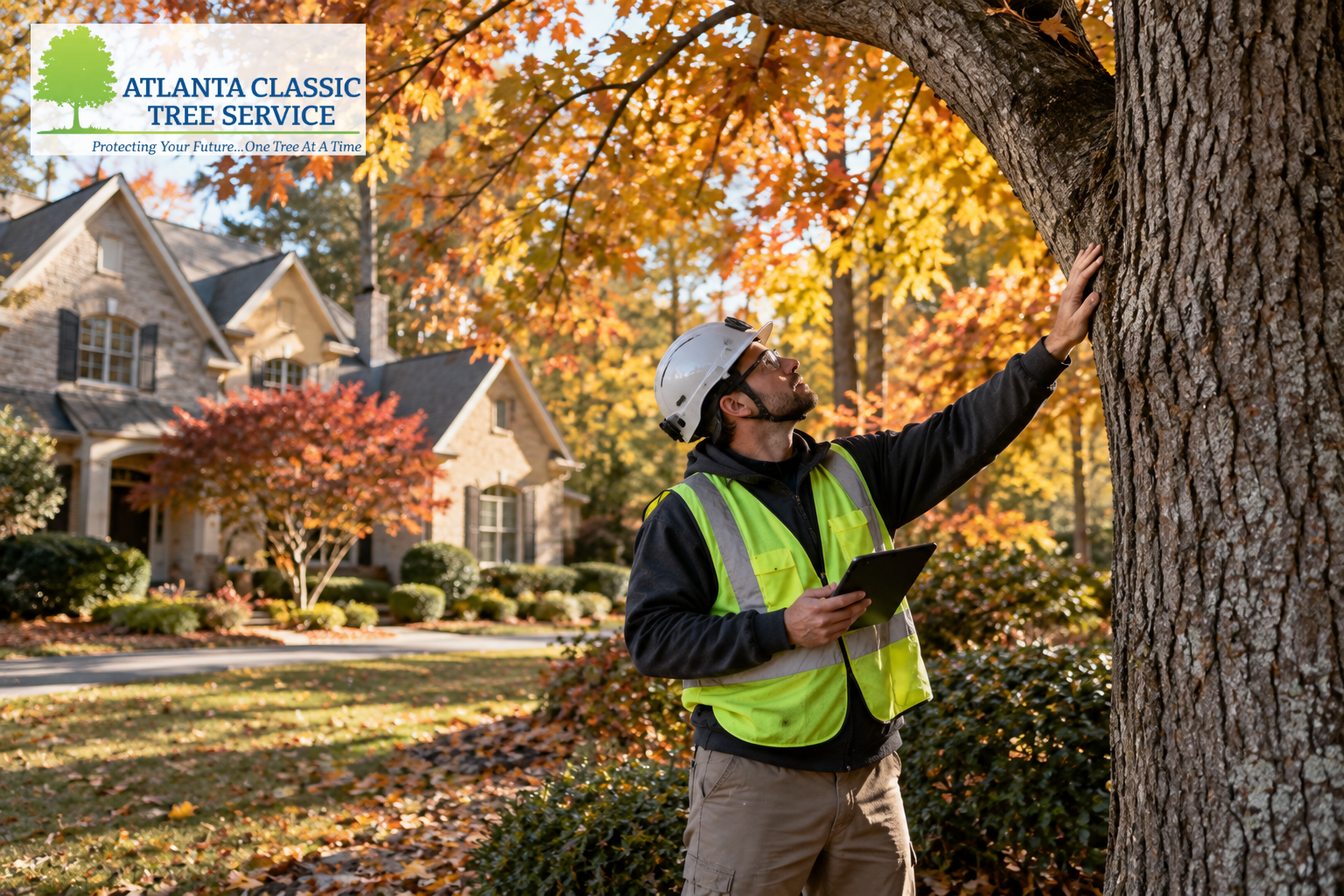
Inspections start at the trunk. Arborists look for cracks, cavities, bark damage, fungi, and signs of decay. Some issues are easy to spot, but others need a trained eye. A tree might look solid from a distance but have hidden weaknesses. Finding these early can help you avoid damage to roofs, cars, or utilities.
Branch Structure and Canopy Balance
Arborists also check how branches are distributed. Uneven weight or narrow branch unions can increase the chance of breakage. Sometimes, pruning can improve balance and reduce stress. In other cases, support or even removal might be needed.
Root Health and Site Conditions
The root zone is key to a tree’s stability. Compacted soil, construction damage, and drainage issues can all affect a tree’s ability to stay upright. A fall inspection lets an arborist connect what’s visible with what might be going on below the surface. This is crucial for mature trees that look healthy but might be losing support.
How Fall Inspections Protect Your Property
Avoiding Emergency Tree Failures
Emergency tree calls are costly, take time, and are stressful. A fall inspection helps reduce the chances of unexpected limb failure or tree collapse during a storm. This approach gives property owners time to make informed decisions instead of reacting under pressure.
Protecting Your Home and Yard
Large branches over homes or patios can be a risk when winds pick up or snow adds weight. Even one broken branch can cause damage. A fall assessment identifies which trees need trimming, support, or immediate attention. If a stump is left after removal, stump grinding can restore the area for future use.
Saving on Long-Term Maintenance
Regular inspections often save money because they catch small issues before they become big problems. Treating decline early is cheaper than repairing storm damage or replacing a mature tree. Fall is an effective time for planning because you can get work done before winter weather makes access harder.
Seasonal Tree Stress in North Georgia
Impact of Heat and Drought
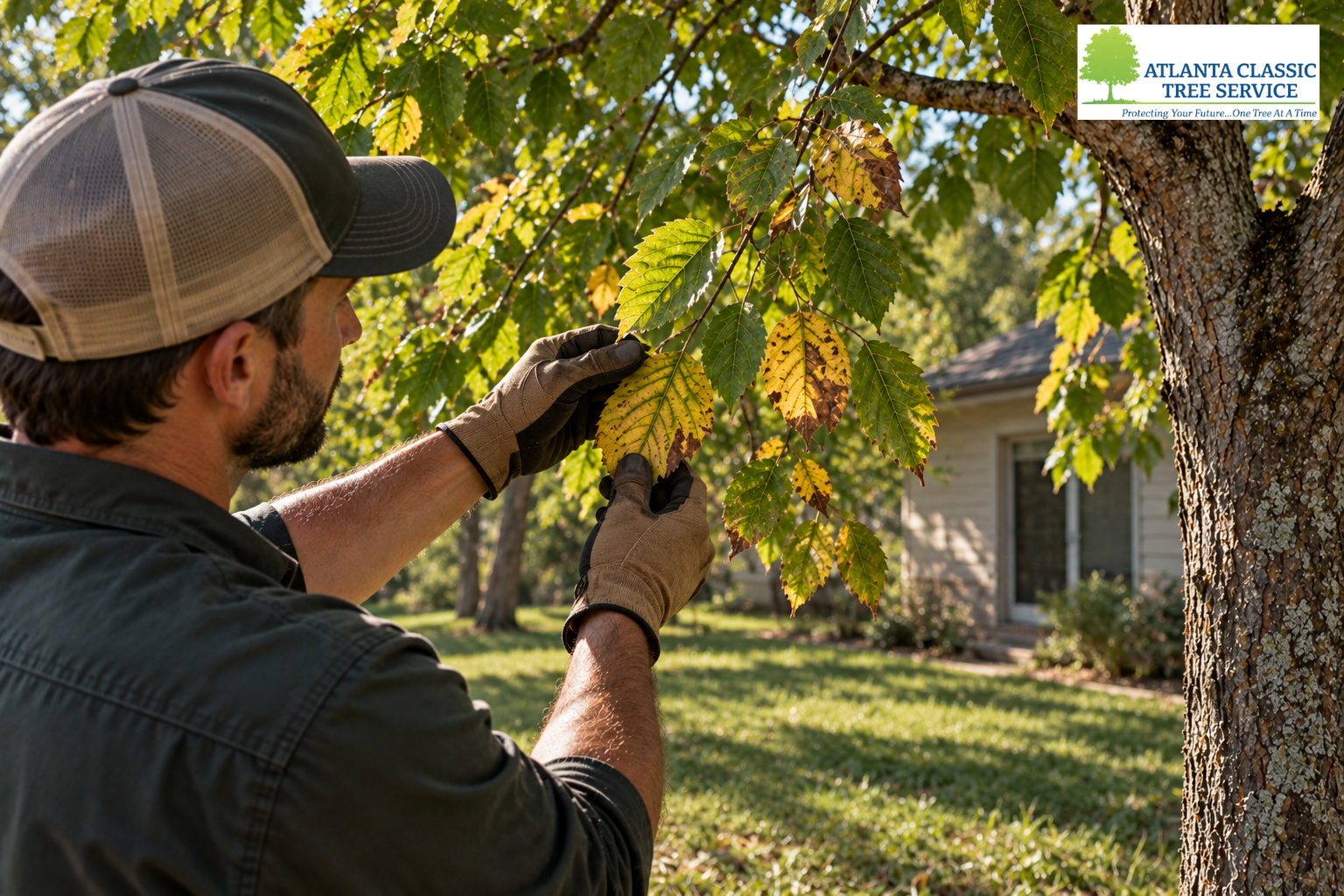
By fall, many trees show stress from summer heat, lack of rain, or pests. Leaf discoloration and early drop can be signs of stress. A fall inspection can tell you if the issue is cosmetic or serious. Not every stressed tree needs removal, but many benefit from intervention.
Weather Patterns Matter
In Georgia, changing weather adds pressure to trees. Warm days followed by cool nights can affect moisture, while heavy fall rains can worsen root problems. A tree that looked stable in summer might behave differently by fall. According to the Arbor Day Foundation, regular care is crucial for keeping landscapes resilient, especially where weather is unpredictable and storms are common.
Getting Ready for Winter
Fall inspections help prepare trees before they go dormant. If a tree needs fertilization, pruning, or support, fall is often the best time to plan. For properties with tall trees or valuable specimens, early planning helps prevent future problems.
Warning Signs You Shouldn't Ignore
Dead Branches and Sparse Leaves
Dead branches are a clear sign a tree needs attention. They can break unexpectedly, posing a hazard. Sparse leaves can indicate decline, root issues, or pests. A certified arborist can determine if it’s temporary stress or a deeper problem.
Fungi, Cracks, and Bark Separation
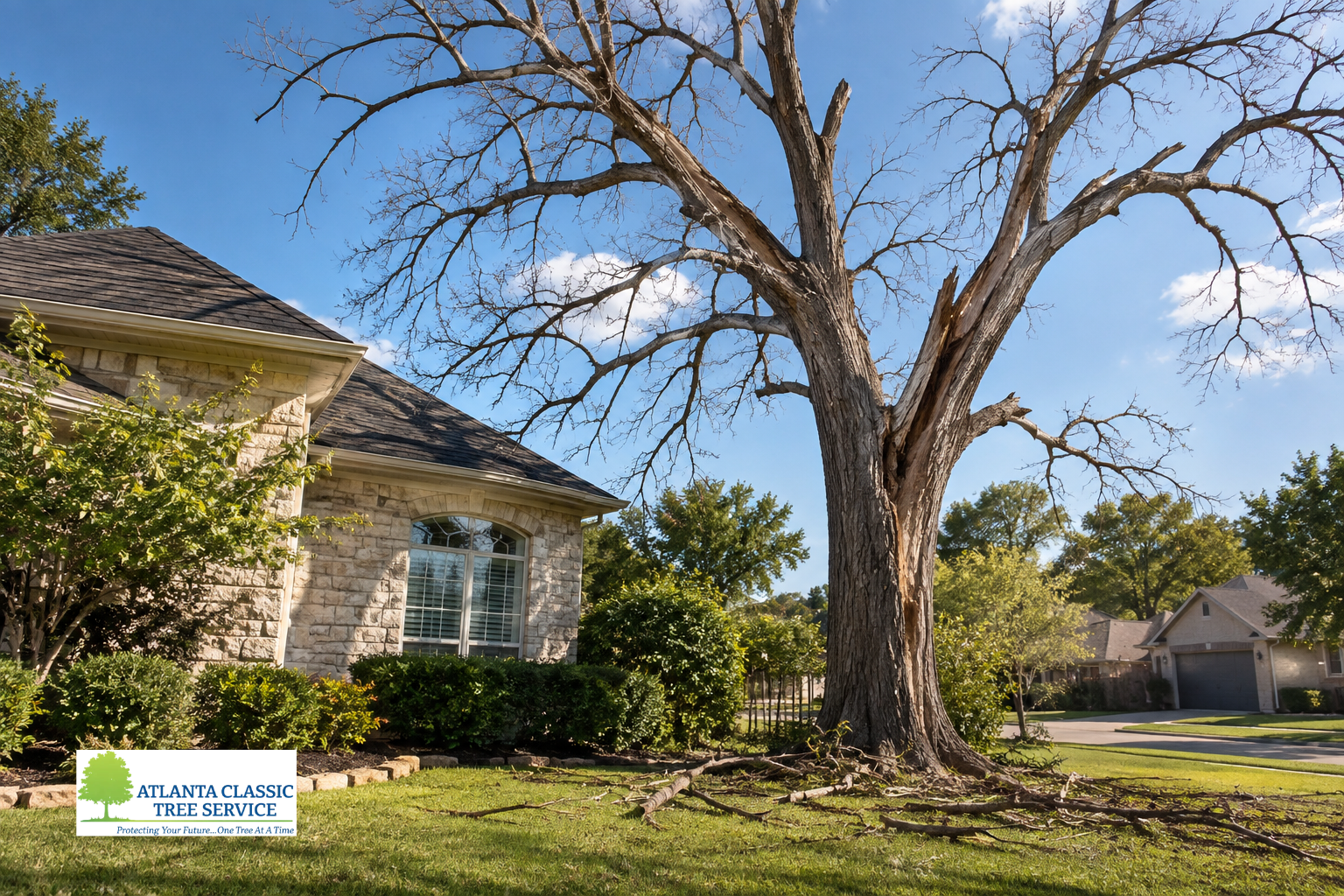
Mushrooms at the base often mean decay. Cracks and splitting bark can signal structural weakness. These issues are especially concerning for large trees near homes. If a tree has structural defects and limited recovery potential, removal might be best.
Leaning, Soil Movement, and Root Exposure
A leaning tree isn’t always dangerous, but sudden movement or exposed roots can be warning signs. These may indicate root failure or instability. Fall inspections help compare conditions over time. For more on tree health, USDA resources are a great reference.
Why Expert Inspections Beat Guesswork
Why Training Matters
Tree risk assessment is more than a quick look. Certified arborists know about decay, pests, and site conditions. Their training helps them tell the difference between minor and serious issues.
Tools and Access Help Accuracy
Inspections may involve binoculars, climbing, or special tools. These methods check areas hard to see from the ground. Arborists can also suggest lightning protection for valuable tall trees.
Safety Comes First
Inspecting large trees yourself can be risky. Professional crews use safety protocols to reduce injury and damage. Atlanta Classic Tree Service is known for safe work, proper insurance, and years of experience.
What Happens After a Fall Inspection
Pruning for Structure
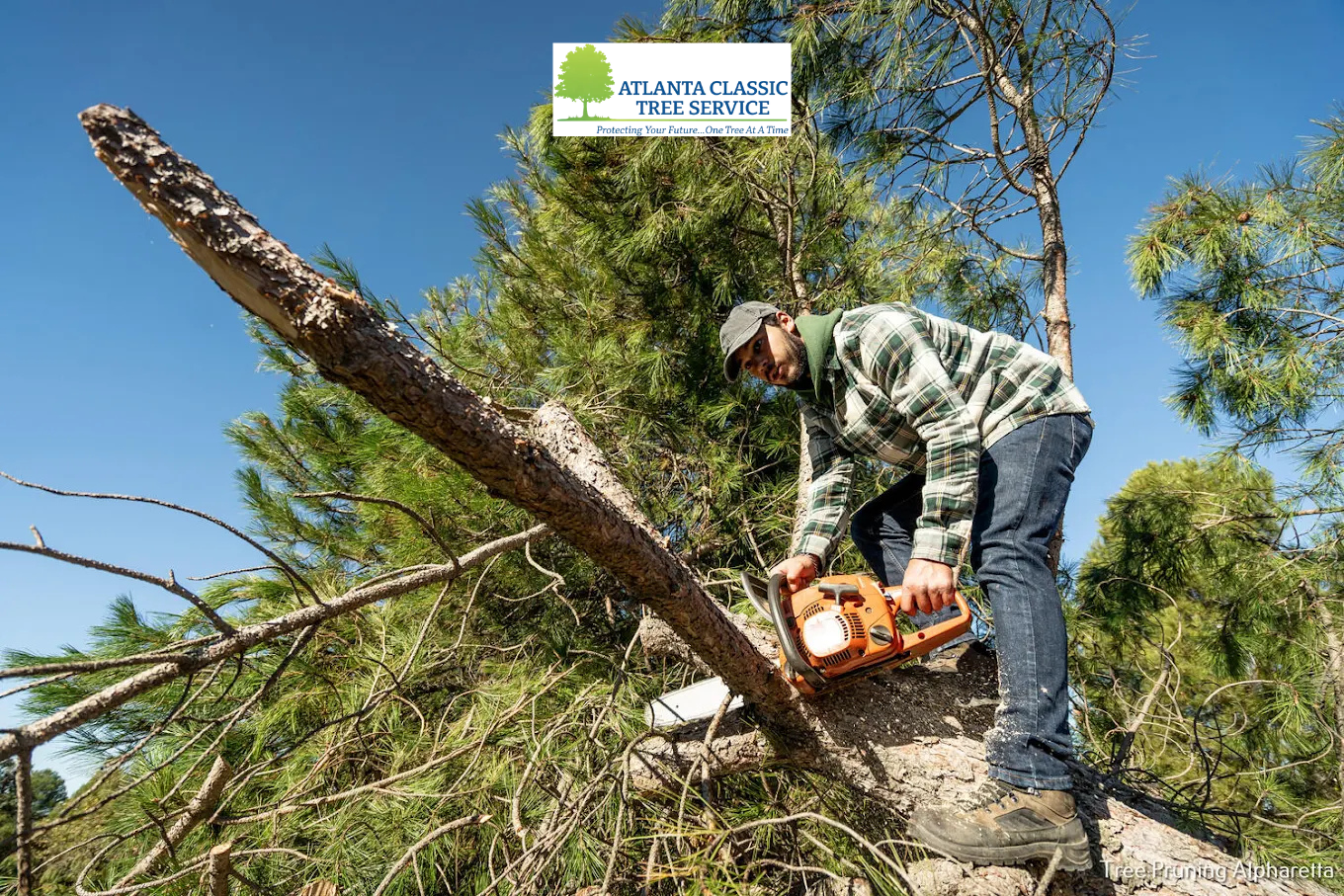
After an inspection, pruning is a common next step. It removes deadwood and improves structure. Done right, pruning is both preventive and restorative. If your trees need shaping or hazard reduction, professional pruning is a good follow-up.
Cabling and Support
Some trees are worth saving even if they have weaknesses. Support systems can help trees stay in place. Cabling works best if the tree has enough integrity. A fall inspection can tell if support is needed before winter.
Removal and Clean-Up
If a tree is too compromised, removal protects your property. Stump grinding reclaims the area for other uses and reduces hazards. Property owners who want a clean finish appreciate quick restoration with follow-through.
Getting Ready for Your Fall Tree Check-Up
Check Your Yard First
Before the arborist arrives, walk around your yard and note anything unusual. Look for hanging limbs, fungus, or recent changes. Even small observations help the inspector focus on high-risk areas.
Gather Past Records
If a tree has been pruned or treated before, that info helps the arborist understand its condition. Past storm damage or treatment records can also be useful.
Plan for Follow-Up Work
Fall is busy for tree pros as many plan seasonal maintenance. If your inspection finds needed work, schedule it quickly to avoid delays. Planning now prevents rushed decisions when weather worsens.
FAQs About Fall Tree Check-Ups
How Often Should Trees Be Checked?
Healthy trees benefit from checks every one to three years. Mature or high-value trees may need more frequent monitoring. Trees near homes or roads should be checked more often due to higher risk. Fall is ideal as the canopy is open and storms are coming.
Can a Tree Look Healthy but Be Dangerous?
Yes, some trees look fine but have hidden issues like decay or root failure. A professional inspection looks beyond appearance to assess risk. Sometimes, the biggest hazard is a tree that looks healthy but isn't.
What Happens After the Inspection?
After the assessment, you’ll get clear recommendations based on the tree’s condition. Recommendations may include monitoring, pruning, cabling, or removal. The best plans are specific to the tree, not one-size-fits-all. For more on landscape health, fertilization services can boost recovery if nutrition is a problem.
Wrapping Up: Fall Tree Care Saves Trouble
Fall tree check-ups are a smart way to catch hidden problems, reduce storm risks, and act before emergencies arise. As leaves drop and weather changes, arborists can better assess weaknesses. For both homes and businesses, this foresight helps protect your property and budget.
If you want peace of mind before winter, schedule a professional check-up soon. Atlanta Classic Tree Service has been serving the area since 1987, providing reliable, safe tree care. To learn more or book a service, explore our tree removal, cabling and bracing, and lightning protection options, or contact us for a fall inspection plan that suits your needs. Taking action now helps ensure a safer, healthier environment all year long.