Trusted Tree Removal in Alpharetta, GA: Why a Standing Dead Tree Shouldn’t Wait
A dead tree might seem harmless if it's s standing, but leaving it alone can lead to big problems for your property, your family, and nearby buildings. Dead wood gets weaker over time, roots might fail without warning, and storms can turn that tree into a danger. If you're thinking about removing a tree or wondering if a dead one can be saved, it's usually best to get a pro's opinion sooner rather than later.
In this guide, we’ll dive into why dead trees are risky, signs to look out for, how experts assess the situation, and why acting quickly might save you money. We'll also talk about related services like pruning, cabling & bracing, and stump grinding when a tree has reached the end of its life. If you want to prevent storm damage, it's smarter to be proactive rather than reactive.
According to the U.S. Forest Service, dead and declining trees can unexpectedly fail because decay, pests, and structural weakness keep progressing even if the trunk looks solid. Check out more on urban tree safety from the U.S. Forest Service urban forests resources. Once a tree is dead, you’re on the clock regarding its stability.
Why a Dead Tree Is More Dangerous Than It Looks
Decay keeps going even if the tree is still standing
Many people think a dead tree is stable as long as it hasn’t fallen. But once a tree dies, decay organisms start breaking it down from the inside. The outside might look okay, but the core can become fragile fast. That means the tree can go from “standing” to “failed” much quicker than you might think.
Dead limbs can break without warning
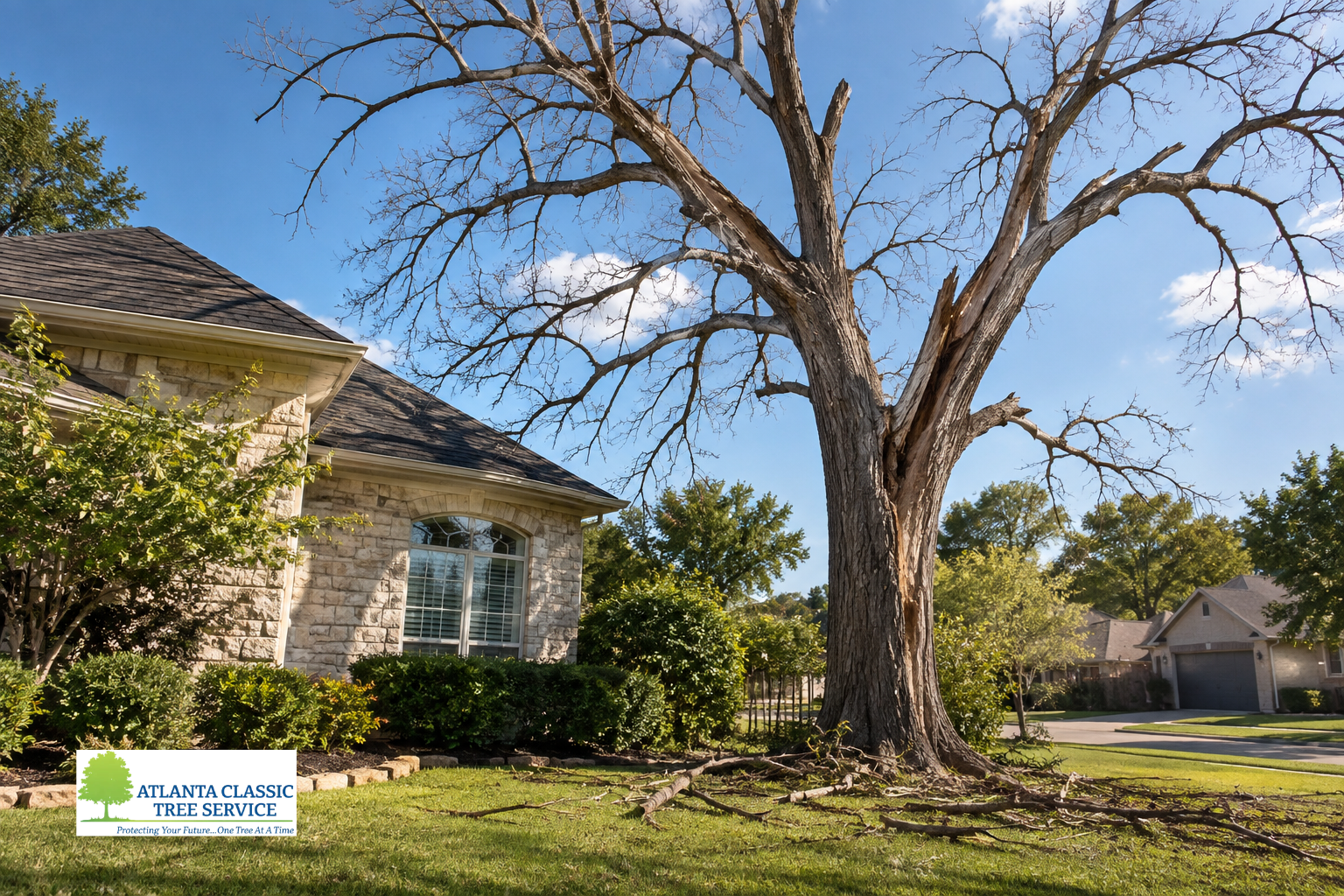
One of the biggest dangers with a dead tree is limb failure. Large branches can snap during heavy winds, rain, or even on calm days if decay is advanced. Falling branches can damage roofs, cars, fences, and play areas. If the tree is near a driveway or path, it’s a danger to anyone walking by. Even a partial failure can lead to costly cleanup emergencies.
Weather makes it worse
Georgia’s weather can be tough on weakened trees. Strong winds, soaked soil, and lightning increase the chance of failure. Dead trees can become top-heavy because they lose flexibility and leaves, which normally help handle wind. For tall or historic trees, a plan including lightning protection might help preserve them while alive, but once dead, removal is necessary. Learn more from the National Weather Service about tree damage from storms at weather.gov.
Signs a Standing Dead Tree Needs Immediate Attention
Brittle branches and missing bark
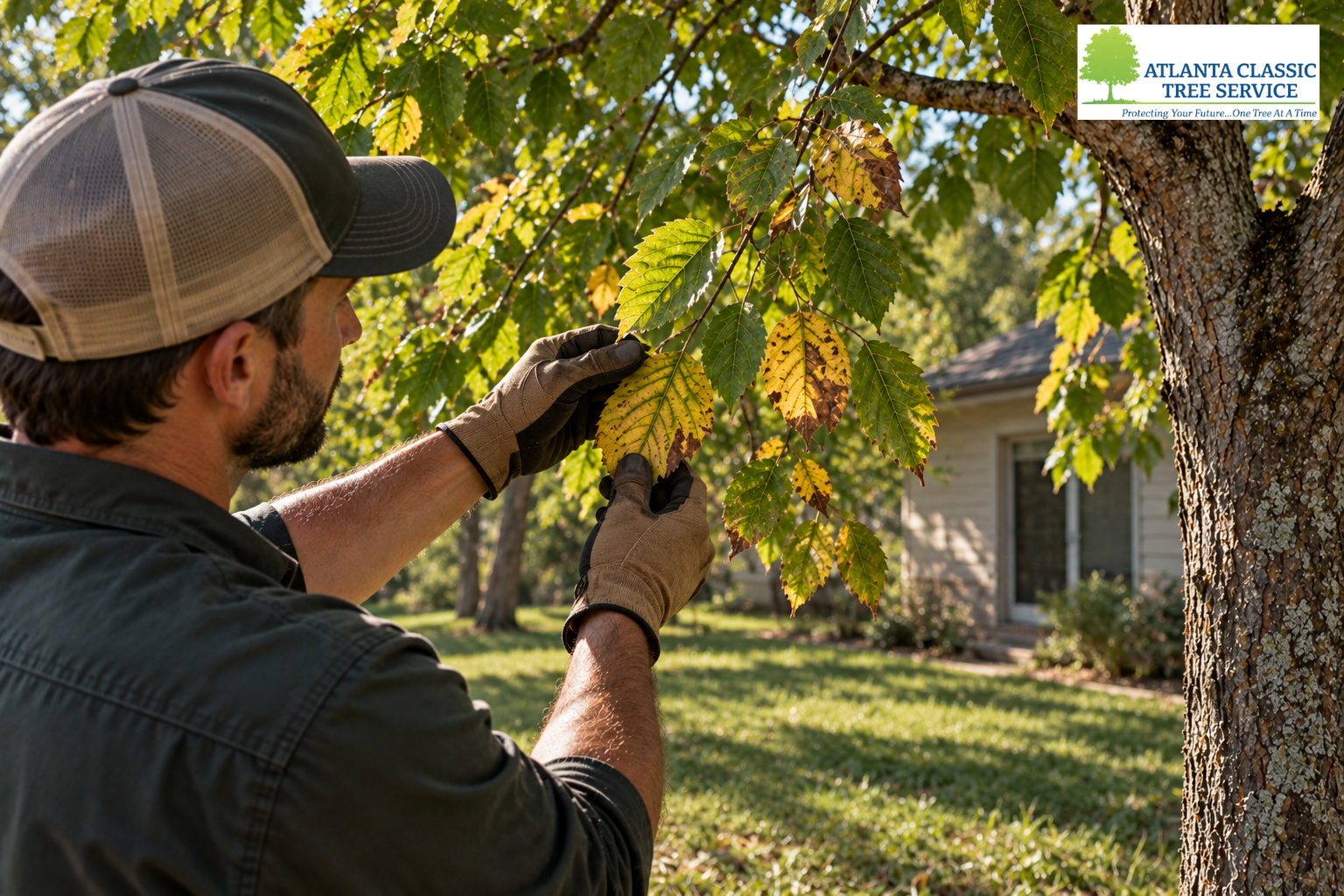
Dead trees often show clear signs before they collapse. Bark may peel off, branches can feel dry and snap easily, and there might be no leaf growth. These signs don't mean the tree will fall tomorrow, but they do mean it needs a quick check.
Fungal growth and cavities
Mushrooms and other fungi on or near the trunk usually mean internal decay. Cavities and soft wood are concerning because they weaken the tree. A tree can look fine and even have some leaves while still being unsafe. Fungi aren't an automatic failure sign, but they’re a warning.
Root plate movement and soil heaving
If the ground around the base is lifting or cracking, the roots might be failing. Root damage is hard to spot from the surface, so professional evaluations are crucial. Root failure can happen after drought, construction, disease, or storms. If you see exposed roots, fungi near the base, or a sudden lean, removal might be the best choice. Sometimes nearby trees might need cabling & bracing if they’re weak but viable.
The Hidden Costs of Waiting Too Long
Property damage adds up fast
People often delay removal because the tree isn't causing trouble now. Unfortunately, waiting can be costly if it fails during a storm. Repairs to roofs, gutters, fences, and landscaping can cost more than removing the tree early. Emergency calls are also more complicated because crews have to work around damaged structures.
Liability is a real concern
If a dead tree falls and hurts someone or damages a neighbor’s property, the financial and legal consequences can be serious. Property owners must deal with hazards promptly, especially in rental, commercial, or shared areas. It’s about managing risk, not just tree care.
Cleanup gets harder the longer you wait
Dead trees are easier to remove when addressed early. As decay progresses, wood becomes brittle, trunks might split, and limbs can shed during work. This increases labor and complexity. After removal, the site might need stump grinding or soil repair. Early action usually means smoother projects.
Can a Dead Tree Be Saved?
Dead doesn’t always mean gone
Not every tree that looks dead is beyond help. Some are stressed or dormant and can recover if the issue is caught in time. But true deadwood has no path back. An arborist can tell if a tree is fully dead or just in bad shape. This matters for deciding on treatment or removal.
When support and treatment might help
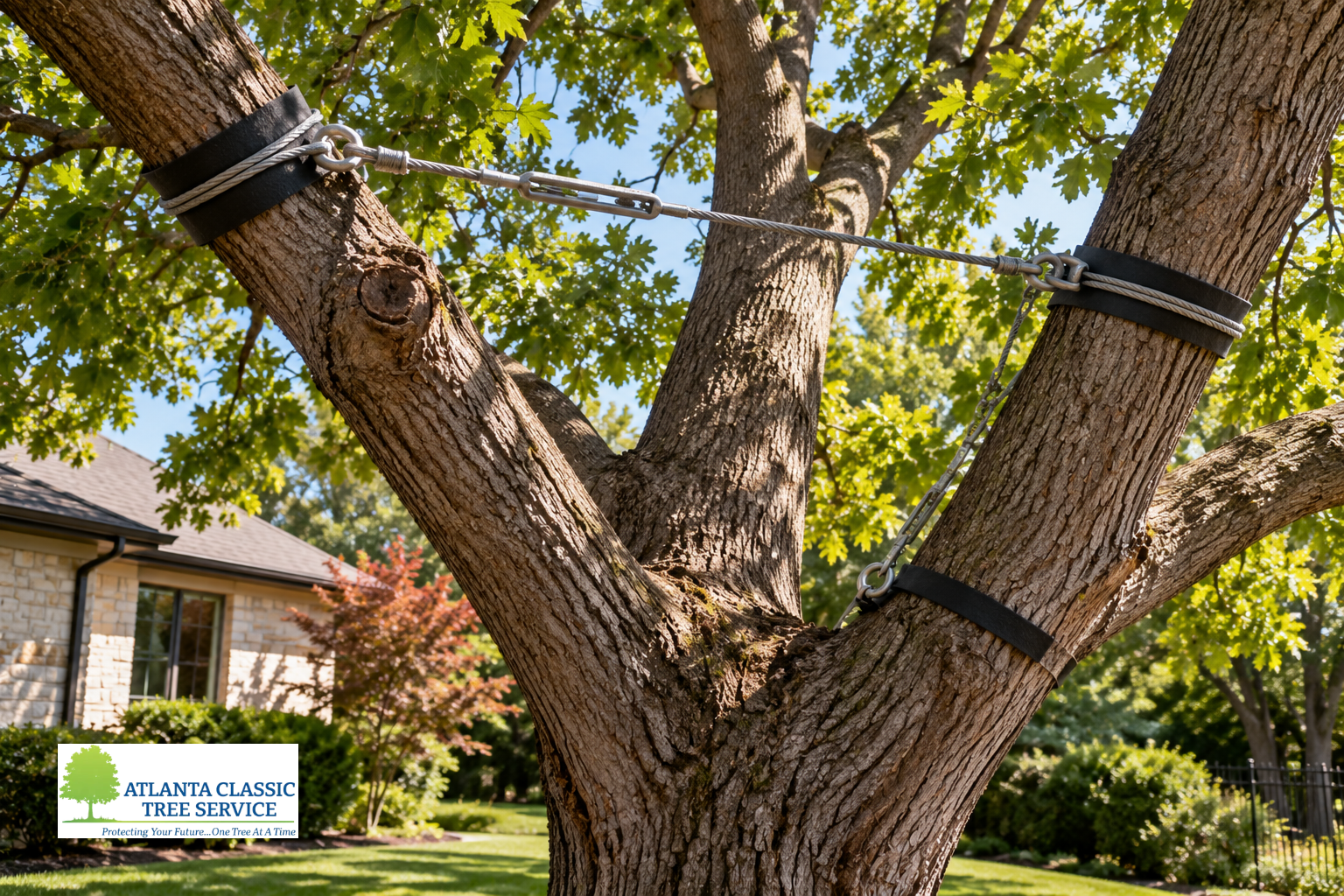
If a tree is alive but weak, services like pruning, fertilization, or cabling can help. Strategic pruning can reduce stress and improve airflow, while fertilization can help a tree recover from nutrient issues. For trees with bad limbs or split trunks, support systems can reduce failure risk. But these make sense only if the tree has enough healthy tissue.
When removal is the safer choice
Once a tree is fully dead or has major trunk decay, saving it is usually unrealistic. Removal isn’t giving up; it’s avoiding a bigger problem. An arborist considers the tree’s species, size, location, and condition before recommending action. Near a house or utility line, action should be quicker.
How Professional Arborists Assess Dead Tree Risk
Visual inspection from top to bottom
Arborists start with a thorough visual inspection. They look at the canopy, trunk, root flare, soil, nearby targets, and surrounding trees for signs of decline or instability. They also check for cracks, cavities, fungi, deadwood, and pests. A dead tree can show enough signs through inspection alone to justify removal.
Site conditions matter as much as the tree
A tree doesn’t exist in isolation. The same dead tree might be low priority in an open field but a hazard beside a home. Slope, drainage, soil, and wind exposure all affect failure risk. Decisions should consider tree health and property layout. Urgency increases when targets are nearby.
Why certified expertise makes a difference
The International Society of Arboriculture highlights the value of proper tree risk assessment. Their resources are available at Trees Are Good. A trained arborist can distinguish between cosmetic issues and structural hazards, helping owners avoid unnecessary removals while protecting people and property.
What Happens During a Safe Tree Removal Project
Planning the removal around hazards
Safe removal starts long before cutting. Crews evaluate drop zones, structures, utilities, access points, and weak spots. If a tree is dead and brittle, it might need dismantling in sections. This planning reduces uncontrolled breaks or damage.
Using the right equipment and techniques
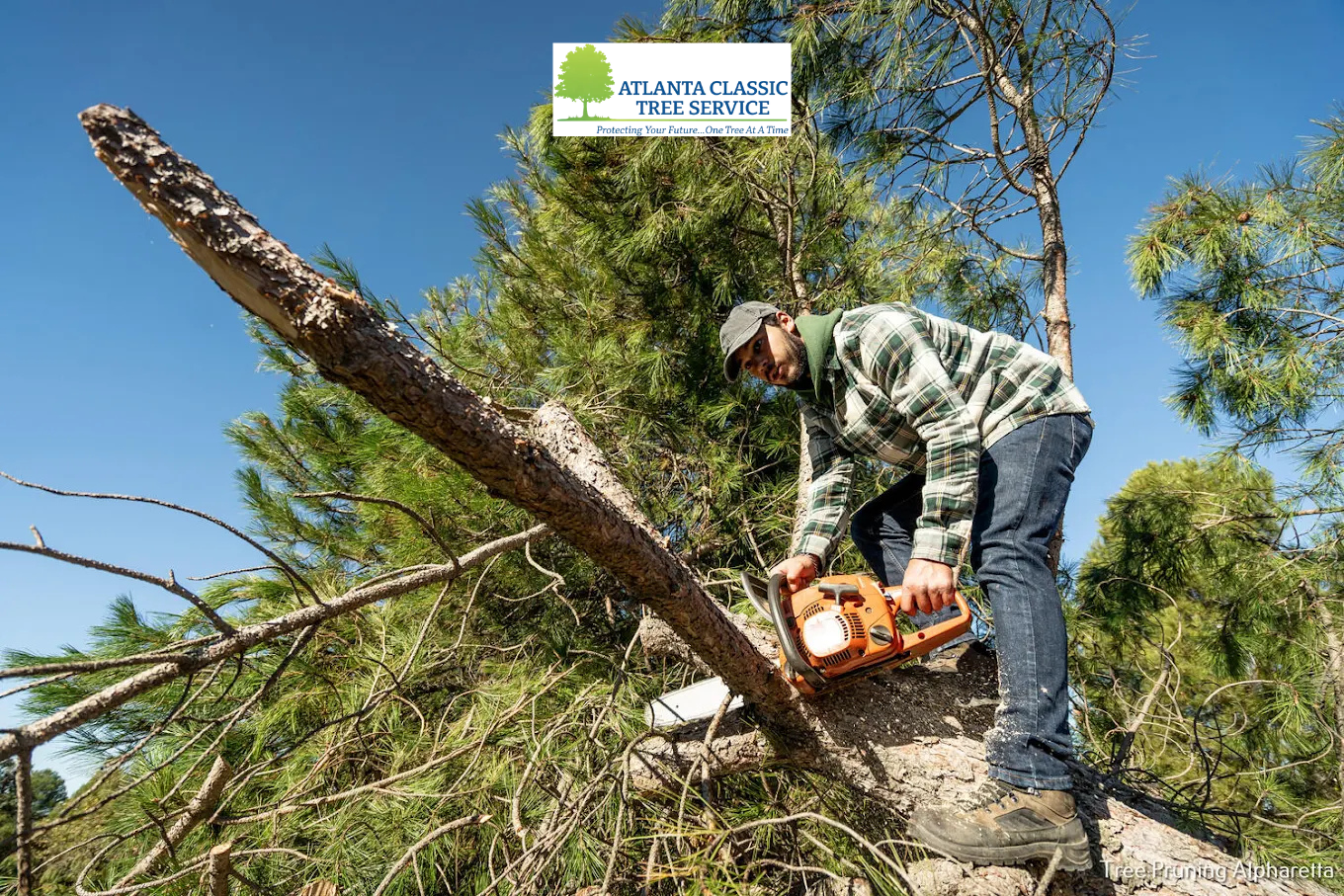
Professional removal often uses rigging, climbing gear, lifts, and saws. Crews might lower limbs piece by piece to protect landscaping. If a tree is unstable, a conservative approach might be needed to keep everyone safe. DIY removal isn’t wise for large dead trees; risks are high.
Cleanup, hauling, and site restoration
Once the tree is down, debris must be removed, the stump addressed, and the area checked for hazards. The site might need grading or soil improvement before planting. For a clean finish and usable yard, services like stump grinding and landscape restoration are often needed.
Real-World Scenarios Where Waiting Went Wrong
A storm turned a “stable” dead tree into an emergency
Commonly, a dead tree survives months without incident, then fails during a major storm. A homeowner might think the tree is fine, only to find it split or a limb crashed onto a roof after the wind. The delay seems minor until the damage occurs. This is why seasonal inspections matter, especially before storm seasons.
Root decay caused a sudden lean
Another scenario involves a dead tree that starts leaning slowly, going unnoticed. Once the roots weaken enough, the tree can shift quickly after rain. This failure often happens without warning, making early intervention key. If a tree leans and shows dead sections, removal is usually safer than waiting.
Dead trees can trigger chain reactions
Sometimes the biggest issue isn’t the dead tree itself but what it falls into. A dead tree can hit a healthy tree, crack a fence, or damage a power line, causing more hazards. It can also block emergency access or drainage. Removing a dead tree early is less disruptive than cleaning up after failure.
How to Decide Whether to Remove It Now
Ask three simple questions
If unsure what to do, ask: Is the tree dead? Could it fall on something valuable? Is waiting more costly than acting? If yes to any, a professional evaluation shouldn’t wait. This helps move from uncertainty to decision-making.
Consider the tree’s location
A dead tree in a far lot corner might have a different risk profile than one above a garage. Proximity to people, structures, and traffic changes everything. Even a medium-sized dead tree can cause major damage if it falls the wrong way. Location matters as much as size or species.
Get a second opinion if needed
If one inspection leaves you unsure, ask for another opinion. Reputable companies should explain risks clearly and provide a recommendation. If removal is needed, they should outline next steps for cleanup and replanting. For larger landscape plans, explore services like fertilization to support nearby turf and plant health.
Frequently Asked Questions About Dead Trees
How long can a dead tree stand before it falls?
There’s no reliable timeline. Some dead trees stand a while, others fail after a storm or wind. The longer a tree is dead, the more unpredictable it gets. That’s why inspections are important.
Can I just trim dead limbs and leave the rest?
Minor pruning might help a living tree, but not a fully dead one. Once a tree fails structurally or decay spreads, trimming is just a temporary fix. In those cases, removal is safer and more cost-effective. For borderline cases, professional advice can help decide the best path.
Should I remove a dead tree before hurricane season?
Yes, if the tree is known to be dead or hazardous. Waiting for “one more season” is risky. The best time to address a hazardous tree is before severe weather hits. Proactive removal is usually simpler than emergency cleanup.
Why Atlanta Property Owners Should Act Early
Local weather and tree density raise the stakes.
In Metro Atlanta, mature neighborhoods, seasonal storms, and dense trees make dead tree hazards serious. One weak tree can threaten a home or utility line, especially with wind or soaked soil. Acting early reduces emergency calls and property damage and gives owners more control over scheduling and site restoration.
Professional service keeps the process smooth
At Atlanta Classic Tree Service, we aim to make hazardous tree decisions easier and safer. Since 1987, we’ve helped with tree removal, pruning, cabling, stump grinding, and more. When a tree is dead, inspection and a clear plan are often the best next steps. For broader support, we also help with long-term care strategies.
Protect the rest of the area too.
Removing a dead tree is just one step in protecting your property. Nearby trees might need pruning, fertilization, or support to stay healthy after the risky tree is gone. Sometimes a full maintenance plan includes pruning and fertilization to help your landscape recover and stay strong.
Take the Safe Next Step
If a dead tree is still standing on your property, the biggest risk is time. What seems manageable now can become an emergency after the next storm. The safest choice is to have the tree evaluated by a pro who can say whether removal or other care is the best option.
If you’re ready, Atlanta Classic Tree Service can help you decide and handle the work safely from start to finish. Whether you need tree removal, stump grinding, or a broader care plan, our team is here to protect your property and peace of mind. Call (770) 497-1941 or email info@atlantaclassictree.com to schedule an assessment today.