Are Your Tree Branches Taking Over? Professional Pruning Can Help
When tree branches start creeping too close to your roof, driveway, power lines, or even your neighbor's property, it's more than just a cosmetic issue. Overgrown branches can pose serious safety risks, lead to storm damage, and even harm the tree's health if not addressed. That's where professional pruning comes in. It's one of the best ways to tackle small issues before they turn into costly problems.
Understanding your tree's structure and the potential risks of ignoring maintenance can make tree care decisions easier. Our tree pruning service shapes growth, removes dangerous branches, and improves airflow to keep your trees healthier for longer. If you're considering a broader plan, think about long-term tree removal, structural support, and regular inspections to prevent emergencies.
This guide covers why branches get out of control, the hazards they pose, how experts approach pruning, and when it's time to call in the pros. You'll also learn what to expect from a certified arborist, how pruning protects property value, and why timing is key. If you want to prevent problems rather than react to them, this article is for you.
Why Large Tree Branches Become a Problem
Fast growth and skipped maintenance
Trees often grow faster than you think, especially after a rainy season or favorable weather. Delayed pruning can lead to branches growing awkwardly, competing for sunlight, or reaching areas that could damage structures during storms. A harmless-looking branch today might become a major issue by next storm season.
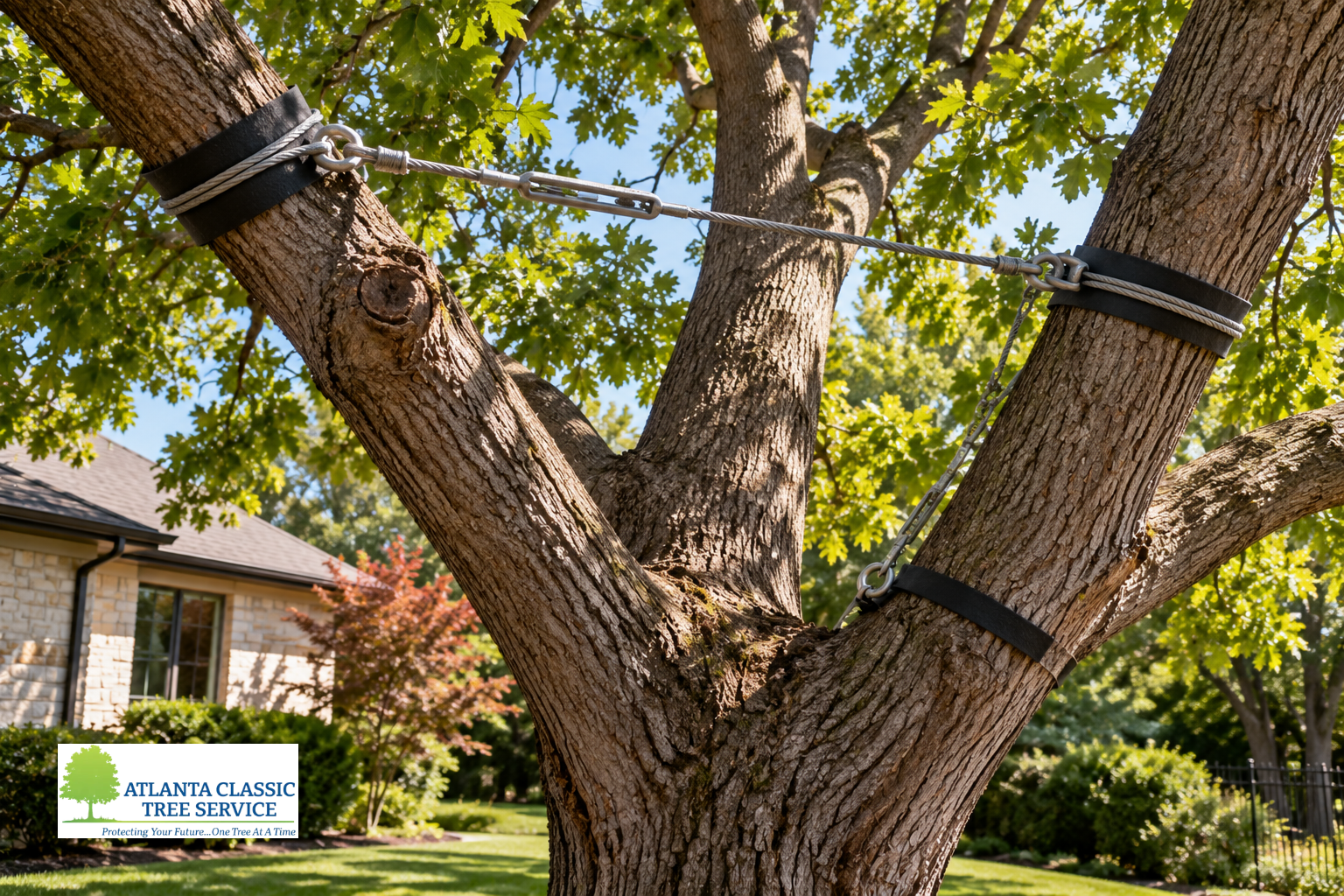
Skipping maintenance makes future corrections tougher. Without guidance, trees can develop weak attachments, crossing limbs, or heavy branches. A professional touch with trimming, cabling, and bracing can address structural issues before they lead to breakage or splitting.
Storm stress and uneven weight
Heavy branches catch more wind and hold more rain, increasing stress on the trunk and roots. This is particularly true for trees with dense foliage, poor canopy balance, or hidden deadwood. Storm preparedness is crucial, as trees can be a significant source of avoidable damage if not maintained. The Federal Emergency Management Agency emphasizes the importance of storm readiness to minimize property damage.
Uneven weight often goes unnoticed because the tree may look healthy from the ground. However, arborists can spot patterns in branch spread and load distribution that the average homeowner might miss. That's why professional inspections are invaluable before severe weather hits.
Encroachment on structures and utility lines
Branches near homes, fences, garages, and power lines pose immediate risks. Even if a limb hasn't broken yet, it can rub against roofing, drop debris into gutters, or scrape siding in high winds. Branches near utility lines are even more hazardous and should be handled with professional equipment and a safety-first approach.
If you live in an area with mature trees, it's wise to schedule regular maintenance before problems escalate. A proactive plan might include stump grinding after removals, strategic pruning for healthy canopies, and property-wide evaluations to avoid constant emergencies.
How Professional Pruning Prevents Bigger Problems
Improving tree structure
Pruning isn't just about cutting back branches. It's about guiding the tree's growth to distribute weight evenly and grow in a stable pattern. Proper cuts reduce future breakage and maintain a strong central form, especially in younger trees with room to grow.
Pruning early can save time and money by avoiding large wounds or drastic solutions later. Once a branch is too heavy or poorly positioned, removal might be the only option. Early pruning can prevent stress later on.
Reducing disease and decay risk
Dead, damaged, or rubbing branches invite pests and disease. Correct pruning removes weak material before rot spreads. This is vital in humid regions where fungi can quickly move through stressed trees. The University of Georgia Extension highlights the importance of proper cut placement and timing to keep trees healthy.
The right pruning plan preserves the tree instead of weakening it, reducing the risk of disease and decay.
Protecting nearby property
Pruning lowers the risk of damage. Falling limbs can crack roofs, crush vehicles, damage landscaping, or even injure someone. Preventive pruning removes failing limbs and reduces stress on weak branches before they fall.
For commercial properties and HOAs, this protection is crucial because liability exposure is higher. Well-maintained landscapes signal to visitors and tenants that the property is well cared for. If tree care needs to go beyond pruning, services like lightning protection can help safeguard valuable trees from severe weather damage.
Warning Signs That Your Branches Need Attention
Branches hanging too low or too far out
If branches are hanging over roofs, blocking views, or dipping into driveways, they might be growing beyond safe limits. Low-hanging limbs can be a nuisance and a hidden danger during storms. It's not just about convenience; it's about safety as they continue to grow.
Branches extending far from the trunk are more likely to fail under pressure due to increased leverage. A branch that seems strong in calm weather might not hold up when soaked or pushed by high winds. Professional assessment is vital when a tree starts dominating its space.
Deadwood, cracks, and rubbing limbs
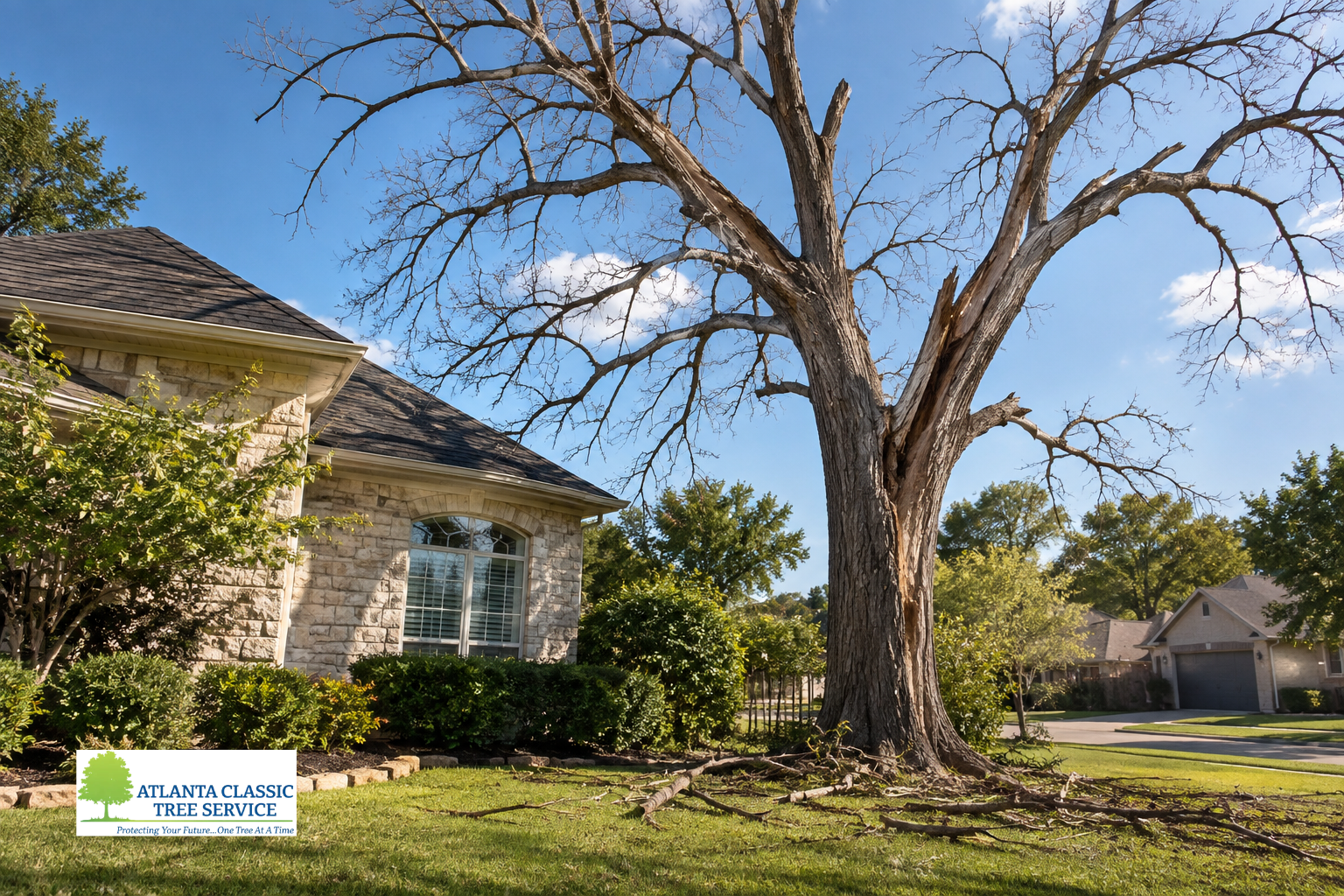
Deadwood is a clear sign that pruning shouldn't wait. Dead branches don't recover and can drop unexpectedly. Cracks, bark splitting, and rubbing limbs also indicate deeper issues than just cosmetic growth.
Arborists look for multiple symptoms. A crack near a branch union, combined with decay or a lean, suggests a high failure risk. Pruning might help, but structural support or removal may be necessary, depending on the damage.
Canopy density and poor airflow
A dense canopy restricts light and airflow, creating conditions for disease and reducing the tree's ability to dry out after rain. Dense growth can hide dead limbs, making it hard to spot problems from the ground.
Selective pruning opens the canopy so the tree can breathe and grow naturally. This is especially helpful for ornamental and shade trees where appearance and health matter. The goal isn't to strip the tree but to make it safer and better balanced over time.
What Professional Arborists Look for During Pruning Assessments
Branch unions and attachment strength
Not all branch attachments are equal. Some develop strong connections, while others form narrow angles that split easily under pressure. Arborists evaluate union angles, bark inclusion, and weight patterns before deciding how much to remove. Their expertise helps prevent cutting too much or leaving too much risk.
This decision-making is where professional experience counts. A branch may look healthy but carry hidden weaknesses. Understanding these patterns, an arborist can make pruning choices that protect the tree and reduce failure risk.
Species-specific growth habits
Different trees respond differently to pruning. Some tolerate heavier work; others can become stressed if too much is removed at once. Growth habits, seasonal response, and natural branch patterns all affect the approach. A one-size-fits-all cut isn't the answer.
Professional arborists consider species behavior so the tree thrives after service. This approach is crucial for mature trees that add significant value to a property. If the tree is old, tall, or historically important, support options like cabling and bracing may be recommended alongside selective pruning.
Safety around the work zone
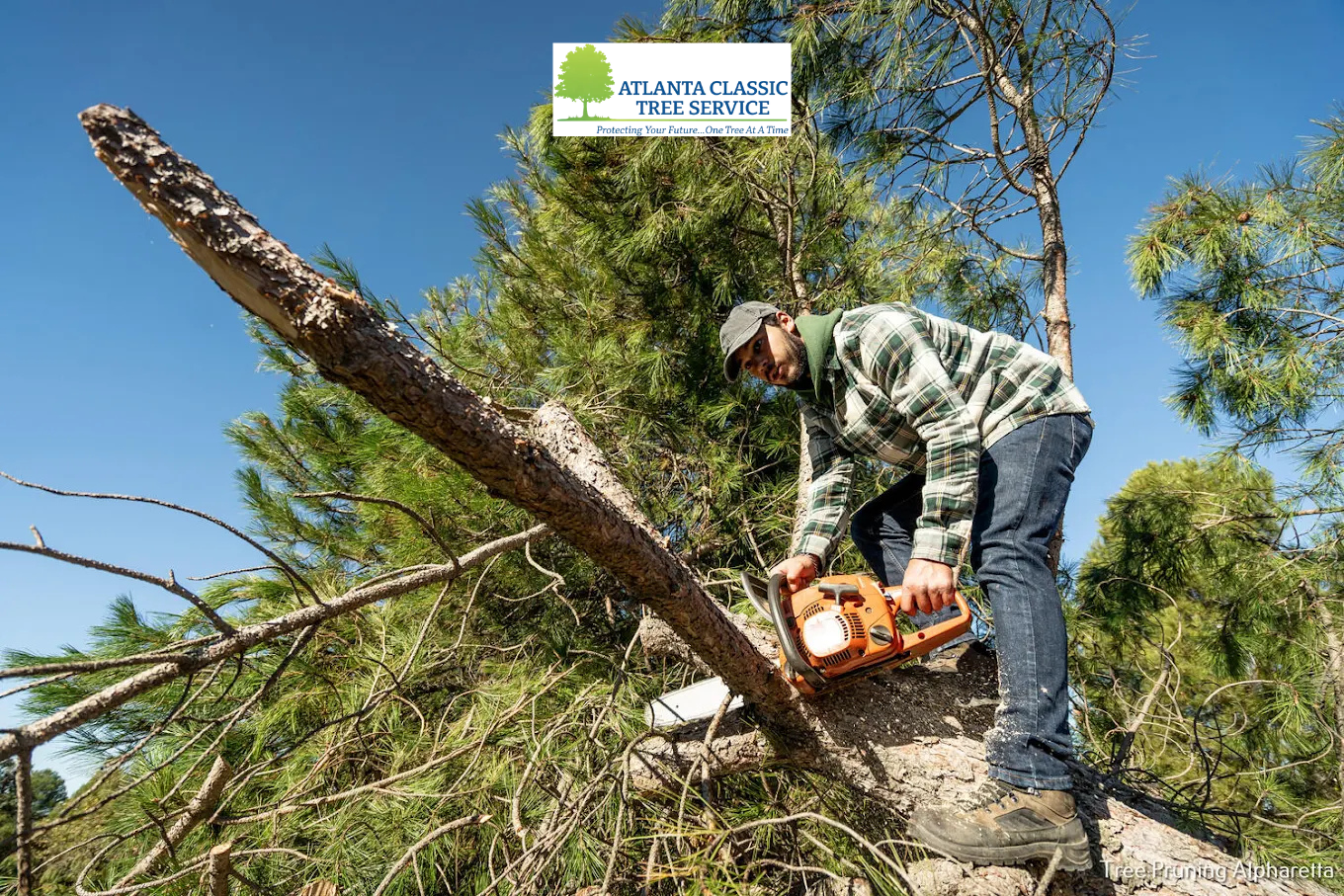
Proper tree care isn't just about the tree. It's also about safety for people, structures, and nearby utilities. Professional crews use the right equipment, follow protocols, and plan cuts so limbs come down safely. This preparation reduces the chance of collateral damage.
According to OSHA, tree work involves hazards like falls and equipment risks. Pruning large branches shouldn't be a DIY project. Trained crews manage risks while protecting the property and everyone on it.
Seasonal Timing: When Pruning Works Best
Late winter and dormant season benefits
Dormant-season pruning is great for many trees because the structure is easier to see and the tree isn't using energy for leaf production. Cuts during dormancy reduce stress and prepare the tree for stronger spring growth. The bare canopy gives arborists a clearer view of branch unions and problem areas.
This doesn't mean pruning can only happen in winter. Timing should match the tree type, concern, and overall health. Sometimes emergency pruning is needed after storms or when branches threaten structures.
Storm season readiness
Before storm season, pruning is a preventive investment. Removing weak limbs, thinning excess weight, and correcting poor structure help trees withstand strong winds. The earlier you prepare, the less likely you'll face emergencies after a branch has failed.
Property owners who've experienced storm damage know how fast costs add up. Broken branches, roof repairs, and cleanup quickly become more expensive than routine maintenance. Sometimes a full yard recovery plan includes pruning plus targeted fertilization to help stressed trees recover after service.
When immediate action is needed
Some branches need attention immediately, regardless of the season. These include cracked limbs, hanging deadwood, branches touching structures, and limbs partially split after wind or ice. Waiting can turn a manageable issue into a dangerous emergency.
If a branch is broken but still attached, it's especially urgent. Hanging limbs can fall unexpectedly and may need controlled removal by a professional team. A prompt inspection is often the safest step.
How Pruning Supports Long-Term Tree Health
Encouraging stronger growth patterns
Proper pruning lets the tree redirect energy to healthier branches and improved structure. This supports better growth and helps the canopy develop evenly. Trees don't benefit from random cutting; they benefit from strategic shaping that respects their natural growth.
Pruning is both preventive and developmental. Younger trees may need shaping, while mature trees need risk reduction and canopy management. The approach depends on the tree's age, condition, and purpose on the property.
Supporting root-to-canopy balance
A tree's canopy and roots work together, and heavy branches can stress both above and below ground. When limbs are too heavy or crowded, the tree spends more resources supporting them. Pruning helps rebalance this relationship so the tree can function efficiently.
This is crucial in urban settings where soil compaction, limited rooting space, or construction stress challenge trees. A balanced canopy gives roots a better chance to support the plant under changing conditions.
Improving property appeal
Well-pruned trees enhance the look of a property. They create cleaner sight lines, better sunlight distribution, and a polished appearance. For homeowners, this means stronger curb appeal. For commercial properties, it improves the first impression for visitors.
Tree care also benefits other landscape elements. More sunlight helps turf areas recover, and healthier trees shed less debris. If you need broader cleanup after pruning or removal, services like wood shavings delivery can support mulch beds, erosion control, and related improvements.
Why Hiring a Professional Matters More Than DIY
Equipment and access challenges
Managing large branches is tough without professional equipment. Weight, height, lean, and obstacles make the job more complex. A homeowner's ladder and basic tools aren't enough for mature limbs.
Professional crews bring climbing systems, rigging, lifts, and saws suited for the job. They sequence cuts so limbs are lowered safely, not dropped. This difference protects the tree and everything around it.
Preventing unnecessary tree shock
DIY pruning can lead to excessive cutting or poor cuts. Mistakes leave wounds that heal poorly, invite decay, or cause weak regrowth. A professional knows how much canopy can be removed without stressing the tree.
When pruning is part of a broader health plan, the arborist might recommend soil care, follow-up monitoring, or structural support. This comprehensive approach is more effective than reacting to overgrowth alone, ensuring the tree continues to benefit the property.
Insurance, liability, and peace of mind
Tree work is tough and risky, even for experienced homeowners. Hiring a fully insured professional adds protection and reduces liability concerns. It assures you that the work meets standards and oversight.
This peace of mind matters with tall trees, nearby structures, or kids and pets around. A careful pruning plan is a safer investment than a quick fix after issues arise.
Frequently Asked Questions About Large Branch Pruning
How do I know if a branch is too large to leave alone?
If a branch hangs over a roof, touches a structure, leans into power lines, or shows cracks, it should be inspected. Large branches are concerning when dead, rubbing, or heavily weighted. A professional assessment can determine if pruning, bracing, or removal is needed.
Will pruning hurt my tree?
Proper pruning is meant to help trees, not harm them. The key is timing, correct cut placement, and removing only what's necessary. Poor pruning can cause damage, but thoughtful pruning by a trained arborist supports healthier growth and safer structure.
Can pruning save a tree with weak limbs?
Often, yes. Selective pruning with support methods can reduce stress on weak limbs and help the tree stand longer. For severe structural issues, pruning might be part of the solution. An evaluation will determine if support or removal is needed.
How often should mature trees be checked?
Most mature trees benefit from routine checks every one to three years, depending on species, location, and condition. Trees near buildings, driveways, or play areas may need more frequent attention. Regular monitoring helps catch issues before they become emergencies.
Take Action Before the Next Storm
Large branches don't become dangerous overnight. They become risky when growth, weight, weather, and neglect combine over time. Professional pruning breaks this pattern by restoring structure, reducing hazards, and improving tree health before bigger problems develop.
If you have trees with heavy limbs, crowded canopies, or branches reaching places they shouldn't, now's the time to act. Our team can help evaluate risks, recommend the right service, and create a practical plan. Learn more about our pruning solutions, explore related care options like tree removal, or schedule a consultation to keep your landscape safer and healthier year-round. For more details about our company, visit Atlanta Classic Tree Service to see how expert tree care makes a difference.